Share this Article
Blocked heart arteries can reduce blood flow to the heart and increase the risk of a heart attack. While medications and stents help many patients, some require bypass surgery to restore healthy circulation.
Also known as Coronary Artery Bypass Grafting (CABG), bypass surgery uses a healthy blood vessel to create a new pathway around the blockage. Modern surgical techniques have made bypass surgery safer, with excellent success rates and improved recovery.
In this guide, you'll learn about the CABG procedure, types of bypass surgery, recovery time, success rate, cost in India, and how it compares with angioplasty.
What is Bypass Surgery?
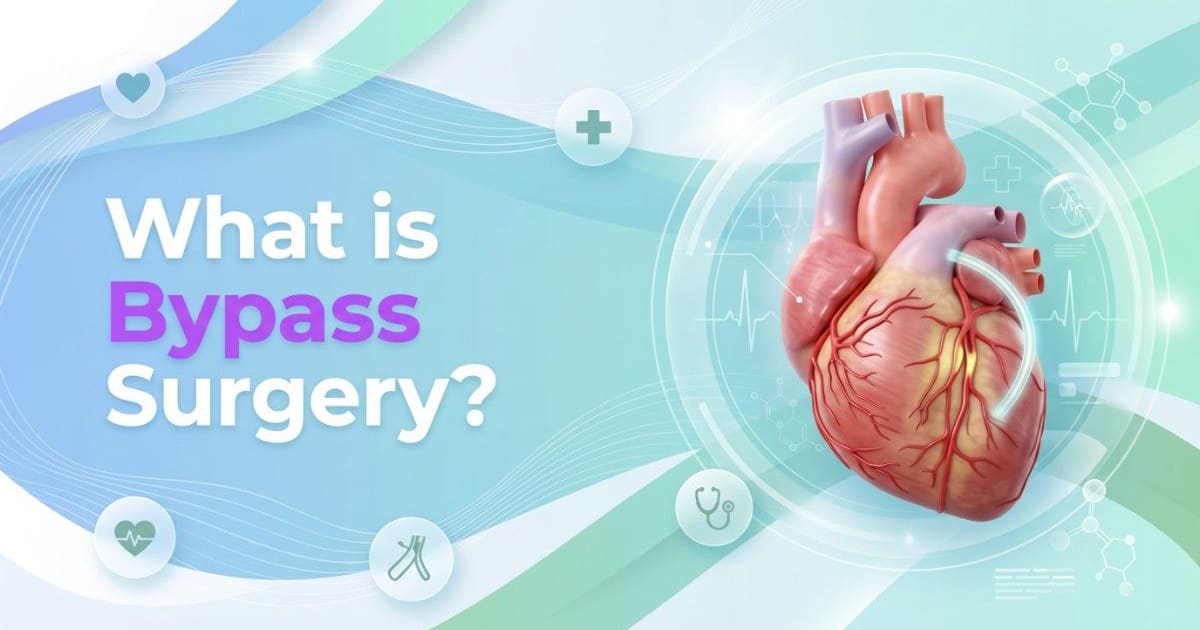
Bypass surgery is an open-heart procedure used to treat severe coronary artery disease (CAD). During surgery, the doctor uses a healthy blood vessel from another part of the body to create a coronary artery bypass graft around the blocked artery. This restores blood flow to the heart muscle, relieves symptoms like chest pain, and lowers the risk of future heart complications.
Doctors usually recommend bypass surgery when multiple arteries are blocked, the blockage is severe, or angioplasty is unlikely to provide long-term results.
When is Bypass Surgery Recommended?
Your doctor may recommend CABG if you have:
Multiple blocked coronary arteries
Severe left main coronary artery disease
Persistent chest pain despite medication
Failed angioplasty or blocked stents
Diabetes with complex heart blockages
Reduced heart-pumping function
The decision depends on the number, location, and severity of the blockages, along with your overall heart health. Some patients may also have severe heart valve disease that requires aortic valve replacement, either as a separate procedure or alongside bypass surgery, depending on their condition.
Types of Bypass Surgery
The main types of bypass surgery include:
Traditional On-Pump CABG
The heart is temporarily stopped while a cardiopulmonary bypass machine maintains blood circulation during surgery.
Off-Pump Coronary Artery Bypass
The surgery is performed while the heart continues beating, avoiding the use of the heart-lung machine.
Minimally Invasive CABG
Small chest incisions are used instead of opening the breastbone, allowing faster recovery for selected patients.
Bypass surgery is also classified based on the number of grafts performed:
Type | Number of Blocked Arteries |
Single Bypass | One |
Double Bypass | Two |
Triple Bypass | Three |
Quadruple Bypass | Four or more |
Surgeons commonly use the internal mammary artery, radial artery, or saphenous vein graft to create the bypass. Some patients with severe valve disease may also require mitral valve replacement, either during the same operation or as a separate cardiac procedure.
CABG Procedure: Step-by-Step
The CABG procedure is performed under general anesthesia and usually takes 3 to 6 hours, depending on the number of bypass grafts required.
The procedure typically involves these steps:
The patient is given anesthesia and closely monitored.
The surgeon makes an incision in the chest to access the heart.
A healthy blood vessel is taken from the chest, arm, or leg.
The graft is attached above and below the blocked artery, creating a new route for blood flow.
Once all grafts are in place, the incision is closed and the patient is transferred to the ICU for monitoring.
Some patients undergo off-pump coronary artery bypass, where the surgery is performed while the heart continues beating instead of using a heart-lung machine.
Bypass Surgery Recovery Time
Recovery is gradual and varies from person to person. Most patients spend 5 to 7 days in the hospital after surgery. A typical recovery timeline includes:
Recovery Stage | What to Expect |
First Week | ICU monitoring, pain management, walking with support |
Weeks 2–6 | Wound healing, light activities, no heavy lifting |
Weeks 6–12 | Return to work (depending on the job), begin cardiac rehabilitation |
After 3 Months | Most daily activities can be resumed with medical advice |
Following post-operative cardiac rehabilitation, taking prescribed medicines, and maintaining a heart-healthy lifestyle play a major role in long-term recovery. If abnormal heart rhythms persist after surgery, some patients may require pacemaker surgery to help maintain a regular heartbeat.
Bypass Surgery Success Rate
Modern bypass surgery has a high success rate, especially when performed at experienced cardiac centres. For many eligible patients, CABG can:
Relieve chest pain (angina)
Improve blood flow to the heart
Reduce the risk of heart attack
Improve quality of life
Increase long-term survival in selected patients
The overall outcome depends on factors such as age, overall health, diabetes, kidney function, and the severity of coronary artery disease. Patients whose heart function continues to decline despite successful bypass surgery may be evaluated for heart transplant eligibility to determine whether transplantation is the most appropriate treatment option.
Bypass Surgery Cost in India
The bypass surgery cost in India depends on the hospital, city, surgeon's experience, number of grafts, and the patient's medical condition.
Estimated bypass surgery costs in India: Single bypass surgery typically costs ₹1.6–₹2.7 lakh, while triple or multiple bypass surgeries generally range from ₹2.8–₹4.5 lakh. The total package may include:
Pre-operative investigations
Surgeon and hospital charges
ICU and hospital stay
Medicines and consumables
Follow-up consultations
Costs may vary depending on the hospital and whether additional procedures are required.
Bypass Surgery vs Angioplasty
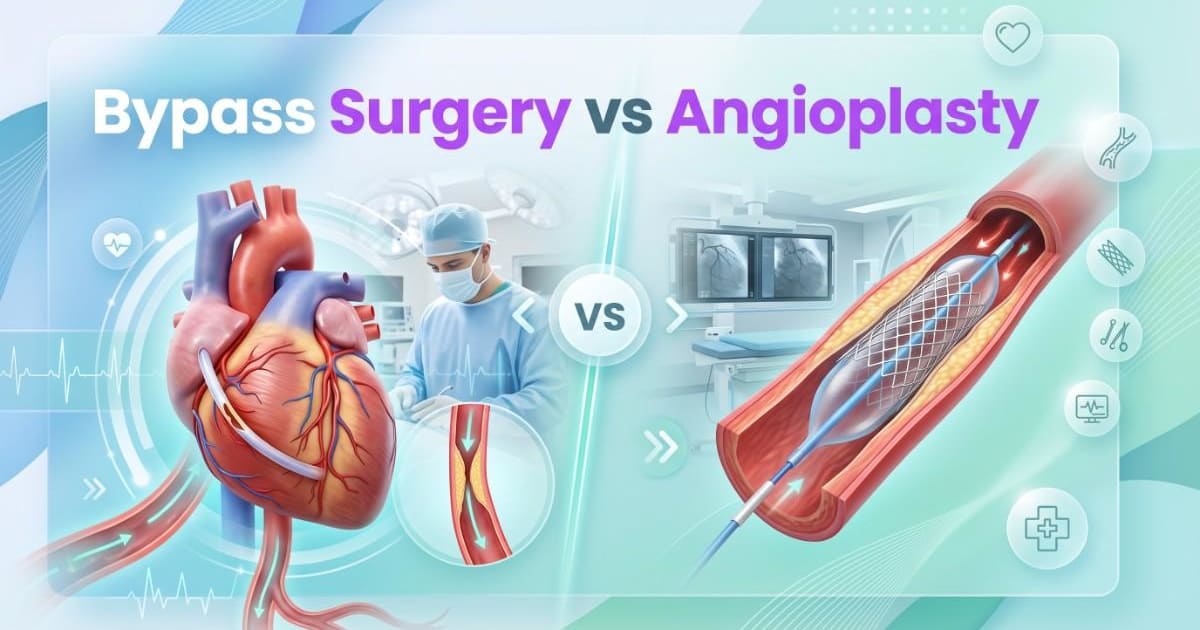
Both procedures restore blood flow to the heart, but they are used in different situations.
Bypass Surgery | Angioplasty |
Recommended for multiple or complex blockages | Suitable for one or two simple blockages |
Uses a graft to bypass blocked arteries | Opens blocked artery using a balloon and stent |
Longer recovery | Faster recovery |
Better long-term results for many complex heart disease cases | Less invasive procedure |
Your cardiologist will recommend the most suitable treatment based on your angiography results, overall health, and the severity of the blockage.
Conclusion
Being advised to undergo bypass surgery can feel overwhelming, but it is one of the most effective treatments for severe coronary artery disease. Advances in cardiac surgery have made the CABG procedure safer, with high success rates and improved long-term outcomes.
Early diagnosis, timely treatment, and a healthy lifestyle after surgery can help you recover well and protect your heart for years to come. For patients with advanced heart failure where bypass surgery is no longer effective, heart transplant surgery may be considered as the next treatment option.
If you've been diagnosed with significant heart blockages, speak with your cardiologist to understand whether bypass surgery is the right treatment option for you. GetBeds can help you connect with trusted hospitals and experienced cardiac surgeons, making it easier to access the right care at the right time.
Frequently Asked Questions
Bypass surgery, or coronary artery bypass grafting (CABG), is an open-heart procedure that improves blood flow by creating a new pathway around blocked coronary arteries using healthy blood vessels taken from another part of the body.
The CABG procedure usually takes 3 to 6 hours, depending on the number of blocked arteries being treated and the complexity of the surgery. Patients are then monitored in the ICU before being shifted to a regular hospital room.
Most patients stay in the hospital for 5 to 7 days and recover over 6 to 12 weeks. Recovery varies based on age, overall health, and whether patients follow their medications, exercise plan, and post-operative cardiac rehabilitation programme.
Bypass surgery has a high success rate when performed at experienced cardiac centres. It can significantly improve blood flow, relieve chest pain, reduce the risk of heart attack, and improve quality of life for many patients.
The bypass surgery cost in India generally ranges from ₹1.6 lakh to ₹4.5 lakh, depending on the hospital, city, surgeon's expertise, number of grafts required, and the patient's overall condition.
Neither procedure is universally better. Angioplasty is often suitable for simple blockages, while bypass surgery is generally recommended for multiple, complex, or severe coronary artery blockages. Your cardiologist will recommend the most appropriate treatment based on your angiography results and overall heart health.
Disclaimer:
This blog is intended for informational purposes only and does not constitute medical advice. Always consult a qualified healthcare professional for diagnosis and treatment.