Share this Article
Did you know that most people who have a heart attack actually had warning signs days or even weeks before it happened but didn't recognise them for what they were?
That gap between what the body is telling you and what you actually act on is where a lot of damage happens. A heart attack, or myocardial infarction, occurs when blood flow to the heart gets blocked and the heart muscle starts getting damaged because it's not receiving enough oxygen. The longer that blockage stays in place, the worse the outcome tends to be.
It doesn't always look the way people expect, and that's exactly why it's worth understanding what to actually watch for.
What is a heart attack?
Your heart depends on oxygenated blood delivered through the coronary arteries. When plaque builds up inside those arteries and a piece ruptures, the body forms a blood clot around it. If that clot is large enough, blood flow to part of the heart muscle slows or stops, and those cells begin to die. The damage depends on which artery is affected and how quickly treatment starts. A coronary angiography may be performed to identify the location and severity of a blockage and help doctors decide on the most appropriate treatment.
Symptoms of heart attack
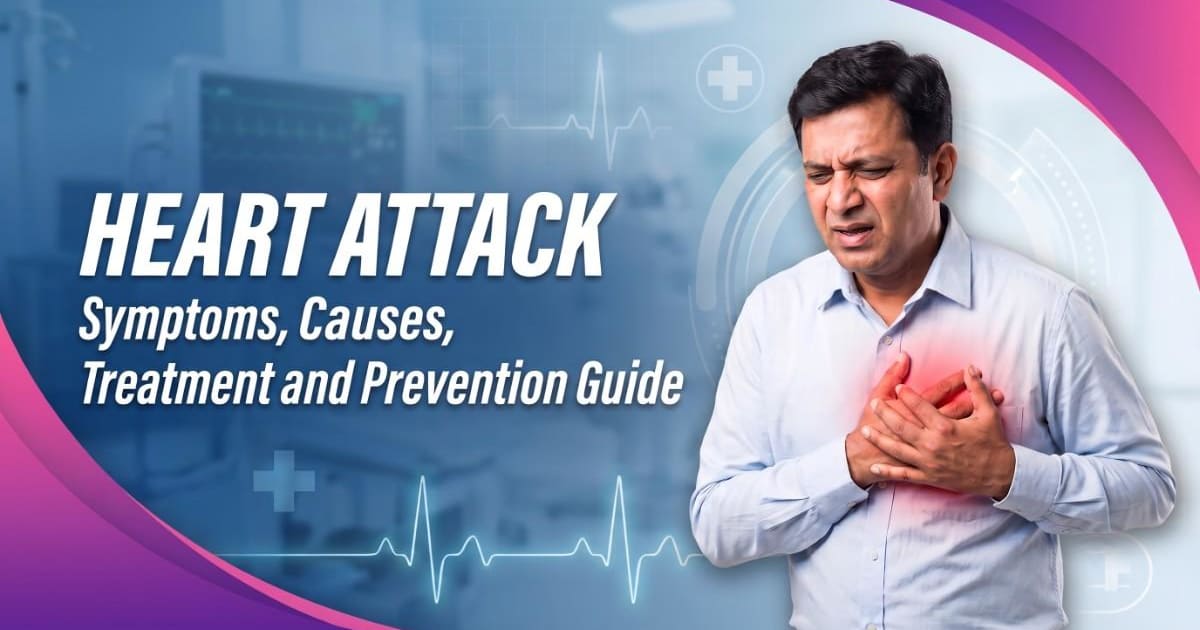
Heart attacks are tricky because the symptoms don't always come on suddenly and don't always feel like what you'd expect. Most people think of crushing chest pain, but it can also feel like pressure, heaviness, or squeezing. Some describe it as something sitting on their chest. Others barely notice the chest and instead feel pain in the jaw, left arm, shoulder, or back. An ECG test is commonly used when a heart attack is suspected to check the heart's electrical activity and help doctors assess what may be happening.
Common heart attack symptoms include:
Chest pain, pressure, tightness, or squeezing that lasts more than a few minutes
Pain or discomfort spreading to the arm, jaw, neck, back, or stomach
Shortness of breath, sometimes without any chest pain
Cold sweats, nausea, or vomiting
Feeling dizzy or lightheaded
Sudden, unexplained fatigue or weakness
Fast or irregular heartbeat
Women, older adults, and diabetic patients are more likely to have a silent heart attack where chest pain is absent. For them, nausea, jaw pain, unusual tiredness, or breathlessness may be the main signals. If these symptoms appear, call emergency services right away. Because these symptoms can be mistaken for indigestion, fatigue, stress, or a minor illness, many people delay getting help. That's one reason silent heart attacks are often diagnosed later than typical cases.
When should you seek emergency help?
If chest pain, pressure, or discomfort lasts more than a few minutes, especially when combined with shortness of breath, sweating, nausea, or pain spreading to the arm, jaw, neck, or back, seek emergency medical attention immediately. It's always safer to get checked and find out it wasn't a heart attack than to delay treatment during a real one.
Heart Attack vs Cardiac Arrest
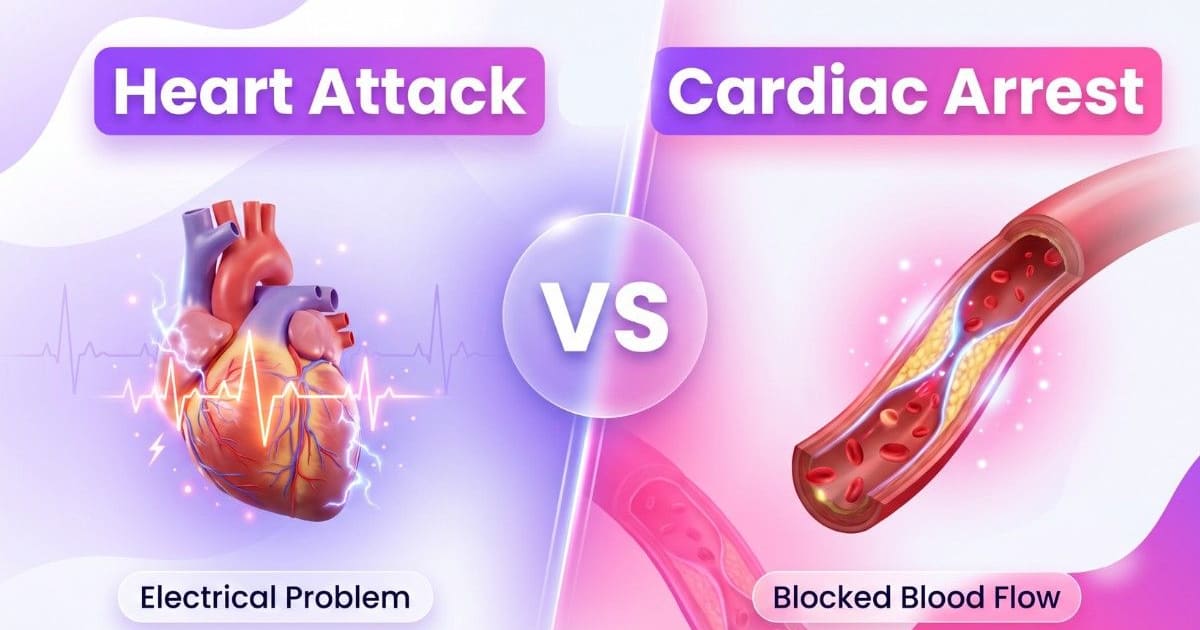
A heart attack is a blood flow problem where the heart keeps beating but part of it isn't receiving enough blood. The person is usually conscious. Cardiac arrest is when the heart stops beating altogether and the person collapses and stops breathing. A heart attack can sometimes trigger cardiac arrest, but they're separate conditions needing different immediate responses.
Can a heart attack happen without chest pain?
Yes, while chest discomfort is the most recognised symptom, some heart attacks present mainly with breathlessness, nausea, unusual fatigue, dizziness, or pain in the jaw, back, neck, or stomach. This is more common in women, older adults, and people with diabetes.
Causes of heart attack
The most common cause is coronary artery disease, where plaque builds up gradually inside the heart's arteries over years, often silently. When a plaque deposit ruptures, a blood clot forms and can block blood flow enough to trigger a heart attack. Several things raise the likelihood of this:
Things you can change:
Smoking
High cholesterol
Poorly managed diabetes
Obesity or significant excess weight
Physical inactivity
A diet heavy in saturated fats, salt, and sugar
Chronic high stress, especially from long shifts or high-pressure work
Heavy alcohol use
Things you can't change:
Being male and over 45, or female and over 50 or post-menopause
A family history of early heart disease
A previous heart attack
Causes of heart attack at a young age
Heart attacks in younger people have been climbing, and the picture is a bit different from what drives them in older adults.
In younger patients, smoking, undiagnosed high blood pressure, poorly controlled diabetes, and stimulant drug use are the main contributors. Some also have inherited conditions such as cardiomyopathy that affect the heart muscle or artery structure, making them vulnerable far earlier than expected. Because younger adults often don't consider themselves at risk, symptoms may be ignored or attributed to stress, acidity, or exhaustion, leading to dangerous delays in treatment.
First aid for Heart Attack
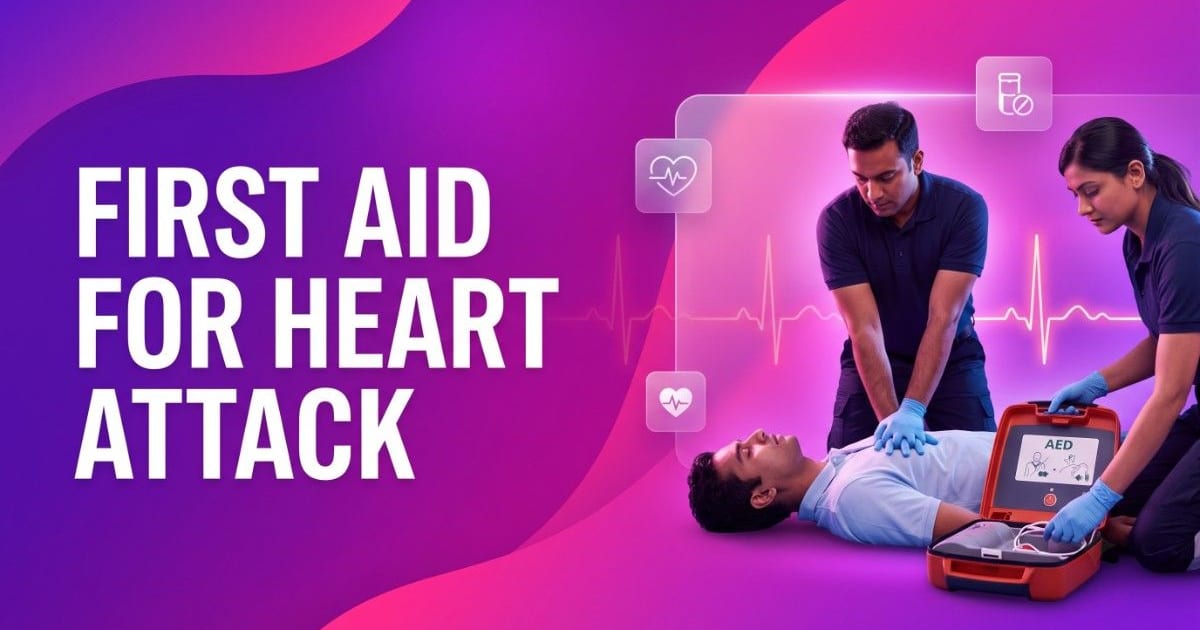
If you think someone is having a heart attack, the most important thing is to call emergency services immediately. Don't wait to see if the symptoms settle on their own.
While waiting for help:
Keep the person calm and still
Help them sit down and rest in a comfortable position while waiting for medical assistance.
Loosen anything tight around the neck or chest
If emergency services advise it and the person isn't allergic, have them chew an aspirin
Don't let them drive themselves, or drive them yourself, to the hospital. First responders can start treatment the moment they arrive, and that head start matters.
If the person loses consciousness and stops breathing, start CPR if you know how.
Treatment of heart attack
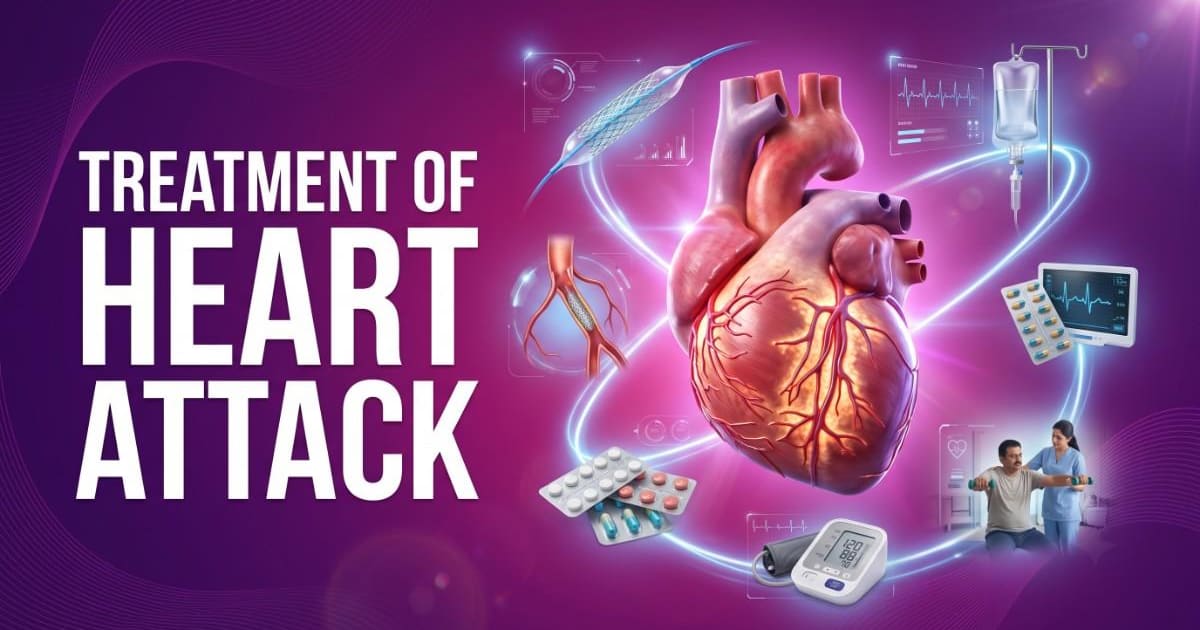
Treatment is focused on one thing: restoring blood flow to the heart as fast as possible. Treatment is focused on restoring blood flow to the heart as fast as possible, while other underlying conditions such as heart valve problems may also need evaluation. Every minute counts because the longer the blockage stays in place, the more heart muscle is lost.
Emergency procedures:
Angioplasty and stenting (PCI): A thin catheter is guided into the blocked artery, a balloon opens it up, and a stent is placed to keep it open. This is the most common and preferred approach when available.
Bypass surgery (CABG): Used when blockages are too severe for stenting. A new blood vessel route is created around the blocked section.
Thrombolytics: Clot-dissolving medication given through an IV when angioplasty isn't immediately available.
Medications commonly prescribed:
Aspirin for heart attack and other antiplatelet drugs to prevent further clotting
Beta-blockers to reduce the strain on the heart
ACE inhibitors to support recovery and manage blood pressure
Statins to stabilise plaque and reduce cholesterol
Blood thinners in specific cases
Cardiac rehab:
After discharge, most patients are enrolled in a cardiac rehabilitation programme. It typically runs for twelve weeks and combines supervised exercise, dietary guidance, and mental health support. People who complete it consistently recover faster and have a lower risk of a second event.
Recovery after a heart attack
Recovery looks different for everyone, depending on the amount of heart damage and how quickly treatment was received. Some people return to normal activities within a few weeks, while others need several months of rehabilitation and lifestyle adjustments. Significant damage to the heart muscle can sometimes affect its ability to pump effectively and increase the risk of heart failure over time. Follow-up appointments, medication adherence, exercise guidance, and cardiac rehabilitation all play an important role in long-term recovery.
How to prevent a heart attack?
Most heart attacks are preventable, and prevention comes down to habits that build up over time rather than any single dramatic change.
Eat with your heart in mind: Whole grains, fruits, vegetables, and lean proteins should make up most of what you eat. Cutting back on processed food, excess salt, and saturated fat compounds over years.
Stay active: Thirty minutes of moderate movement most days meaningfully lowers cardiovascular risk.
Quit smoking: No change has a faster positive impact on heart health. Risk starts falling within weeks of stopping.
Know your numbers: Blood pressure, cholesterol, and blood sugar can be dangerously high without any symptoms. Regular checkups catch these early.
Manage stress and watch alcohol intake: Chronic stress raises blood pressure and drives unhealthy habits. Excess alcohol and carrying too much weight both put sustained pressure on the heart over time.
Conclusion
A heart attack rarely announces itself clearly. The symptoms vary, the warning signs are easy to dismiss, and the window for effective treatment is shorter than most people realise.
Knowing what to look for and building daily habits that protect the arteries are the most practical things anyone can do. When symptoms appear, acting quickly matters far more than trying to tough it out or hoping they'll disappear on their own. If there are risk factors in the background that haven't been addressed, a conversation with a cardiologist is worth having soon. GetBeds can help you connect with trusted hospitals and experienced heart specialists, making it easier to access timely diagnosis and appropriate treatment.
Frequently Asked Questions
A heart attack happens when a blood clot blocks one of the coronary arteries, cutting off oxygen to part of the heart muscle. Without that blood supply, the affected muscle begins to die. It's also called a myocardial infarction.
Early signs can include mild chest discomfort, unusual tiredness, shortness of breath during activities that normally feel easy, and occasional dizziness or nausea. These can start days before a major event and are often dismissed as something less serious.
A heart attack is a blockage problem where the heart keeps beating but part of it isn't getting blood. Cardiac arrest is when the heart stops beating entirely. A heart attack can trigger cardiac arrest, but they're not the same condition.
Call emergency services immediately. Keep the person calm, loosen tight clothing, follow guidance from emergency services about aspirin, and don't attempt to drive to the hospital. Begin CPR only if the person becomes unresponsive and stops breathing.
In younger people, smoking, undiagnosed high blood pressure, poorly managed diabetes, stimulant drug use, and extreme chronic stress are the main drivers. Some also have inherited conditions that make them vulnerable earlier than expected.
Eating a heart-healthy diet, staying physically active, quitting smoking, limiting alcohol, managing blood pressure and cholesterol, and keeping stress under control all significantly lower the risk. Regular health screenings help catch silent risk factors early.
Disclaimer:
This blog is intended for informational purposes only and does not constitute medical advice. Always consult a qualified healthcare professional for diagnosis and treatment.