Neurosurgery
Patient Guide
A Complete Guide to Neurological & Spine Health
Neurosurgery is a specialized branch focused on diagnosing and treating conditions of the brain, spine, and nervous system. Modern techniques ensure shorter hospital stays, less pain, and a quicker return to normal routines.
Advanced
Micro-surgery
Expert
Specialists
Faster
Recovery
Specialized Neurosurgical Procedures
Explore our comprehensively documented neurosurgical procedures performed with cutting-edge micro-surgical and robotic techniques.
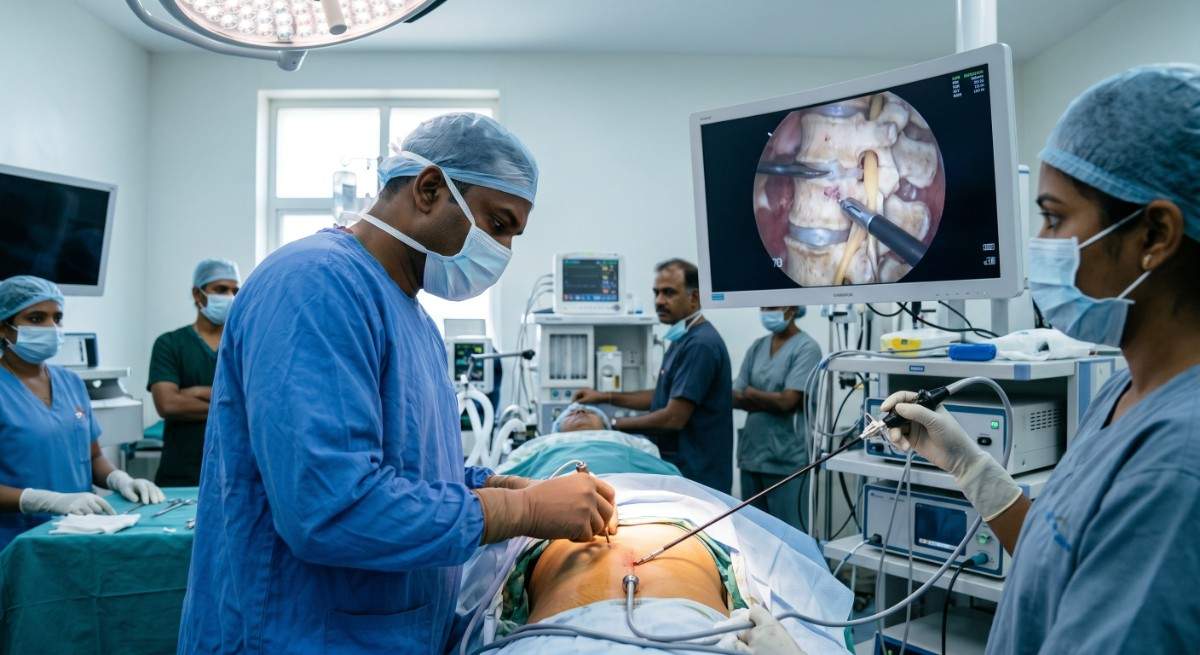
Minimally Invasive Spine Surgery
Advanced spine surgery with smaller incisions, less pain, and faster recovery.

Spinal Disc Surgery
Relieves nerve compression caused by damaged or herniated spinal discs.

Nerve Decompression Surgery
Relieves pressure on compressed or trapped nerves.
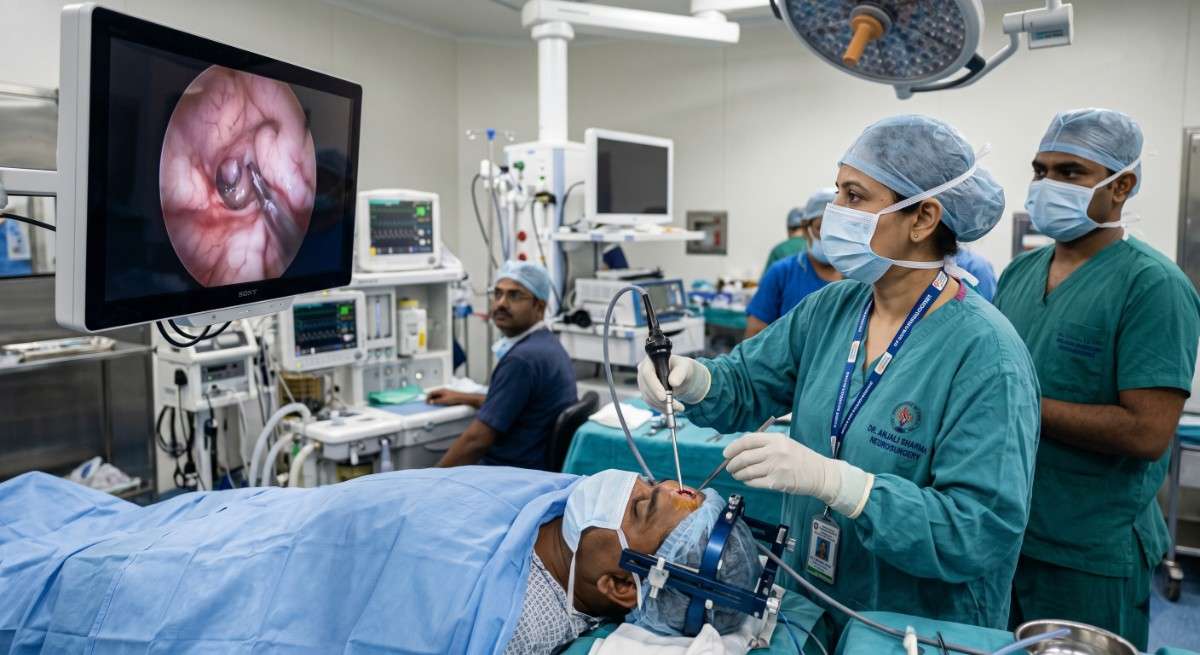
Endoscopic Brain Surgery
Minimally invasive approach to treat brain tumors, cysts, and hydrocephalus.
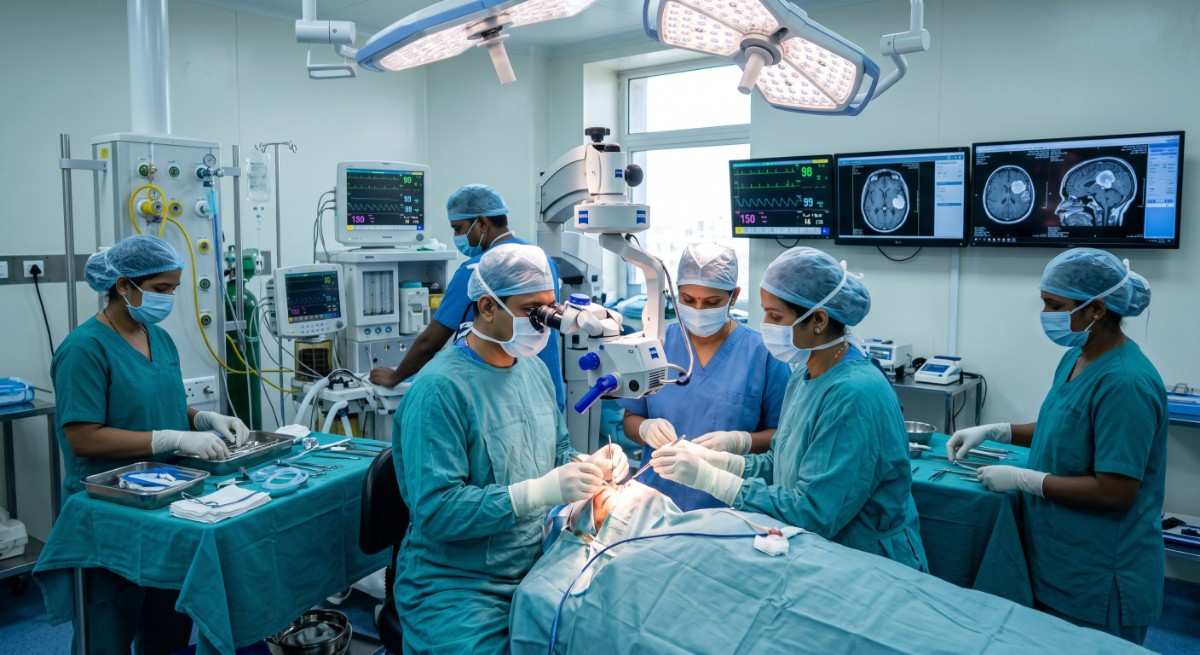
Brain Tumor Removal Surgery
Surgical removal of benign or malignant brain tumors.
Craniotomy (Brain Surgery)
Major brain surgery approach to access and treat various brain conditions.
Neurosurgical Angiography
Detailed imaging test to map blood vessels in the brain and spine.

Spinal Fixation Surgery
Stabilization of the spine using screws, rods, or plates combined with spinal fusion.
Microsurgery
Delicate and highly precise neurosurgical technique using an operating microscope.
Shunt Surgery
Placement of a brain shunt to drain excess cerebrospinal fluid (CSF) and treat hydrocephalus.
Spinal Fusion
Spinal fusion is a surgical procedure performed to permanently join two or more vertebrae, eliminati...
Discectomy
Discectomy is a surgical procedure performed to remove the damaged or herniated portion of a spinal ...
Neurological Health Matters
Neurological conditions can affect every part of daily life—movement, sensation, speech, sleep, cognitive function, and overall comfort. While some problems can be managed with medicines, certain conditions need surgical treatment for long-term relief and to prevent severe complications.
Why Neurosurgical Operations are Needed
Surgery may be required to relieve pressure on the brain or spinal nerves, stabilize the spine, remove tumors, restore proper blood circulation to the brain, or treat severe cases of motion disorders and drug-resistant epilepsy.
Understanding The Specialty
Foundations of Neurosurgery
A deeper look into what neurosurgical procedures involve and the specialists who perform them.
What Is Neurosurgery?
It focuses on diagnosing and treating conditions of the nervous system, including the brain, spinal cord, spinal column, and peripheral nerves.
Modern neurosurgery emphasizes minimally invasive, micro-surgical, and robotic techniques for better patient outcomes.
Who Is a Neurosurgeon?
A highly trained medical specialist focusing entirely on surgical procedures for the nervous system, undergoing years of education post-medical school.
They may specialize further as spine surgeons, pediatric neurosurgeons, or neuro-oncology experts.
Post-Operative Recovery
Recovery depends on the procedure type. Minimally invasive surgeries often allow same-day discharge, while open surgeries require a short hospital stay.
Pain management, modified diets, and early walking are key components of recovery.
Anatomical Scope of Neurosurgery
Brain Surgery & Tumors
Removal of benign or malignant brain tumors, cysts, and blood clots.
Spine & Spinal Cord
Treating herniated discs, spinal stenosis, fractures, and scoliosis.
Peripheral Nerves
Repair and decompression of trapped nerves outside the brain and spine.
Vascular Neurosurgery
Emergency treatment for strokes, aneurysms, and brain hemorrhages.
Skull Base Reconstructions
Complex surgeries for skull defects, CSF leaks, and pituitary tumors.
Common Neurological Conditions We Manage
Suffering from neurological symptoms or spinal discomfort?
Early Warning Signs You Should Never Ignore
Many people ignore early signs of neurological or spine problems. While occasional discomfort can occur, severe or persistent symptoms require immediate medical attention.
Severe or Sudden Headaches
Extremely painful or sudden headaches, which could indicate brain swelling, hemorrhage, or tumor.
Numbness or Weakness
Progressive numbness, tingling, or loss of strength in arms, legs, or face, indicating nerve or spinal compression.
Seizures or Fits
Sudden onset of seizures or convulsions, which may be caused by abnormal electrical activity or brain lesions.
Balance and Coordination Issues
Difficulty walking, loss of balance, or dizziness suggesting cerebellar or spinal cord disruption.
Cognitive or Vision Changes
Sudden confusion, speech difficulties, double vision, or loss of vision.
Chronic Severe Back or Neck Pain
Persistent pain radiating down the arms or legs that doesn't respond to conservative therapies.
Loss of Bladder or Bowel Control
Sudden incontinence accompanied by back pain, pointing to a critical spinal cord emergency.
Seek Immediate Care
Do not attempt to self-medicate if you notice sudden numbness, severe and localized headaches, or sudden loss of motor coordination.
These signs could point to critical nerve compression, internal bleeding, or severe conditions requiring urgent surgical evaluation.
Are you experiencing any of these signs? Check immediately before it becomes an emergency.
Preparing for a Neurosurgery
Proper preparation makes the surgery safe and ensures a smoother recovery. Your surgical team will guide you through these crucial steps.
Medical Checkups
Blood tests, ECG, or imaging tests (CT/MRI) to ensure you are healthy for surgery.
Dietary Changes
Strict fasting guidelines or clear liquid diets as advised by the neurosurgeon.
Fasting Requirements
Strict instructions to avoid eating or drinking for several hours to keep the stomach empty.
Medicine Adjustments
Guidelines on which daily medications to take and which to pause (like blood thinners).
Common Questions About Neurosurgery
Answers to help you understand the process and ease your concerns.