Share this Article
The heart does not beat because of muscle. It beats because of electricity. A tiny cluster of cells called the SA node fires signals that keep your heart in rhythm. No signal, no beat. Wrong signal, wrong beat.
When that system starts failing, people describe walking through water. Getting winded on flat ground. Blacking out in a queue. Thinking it is anxiety for two years until a cardiologist explains the heart rate is dropping into the 30s.
A pacemaker fixes that. Quietly, from under the skin.
What Is a Pacemaker?
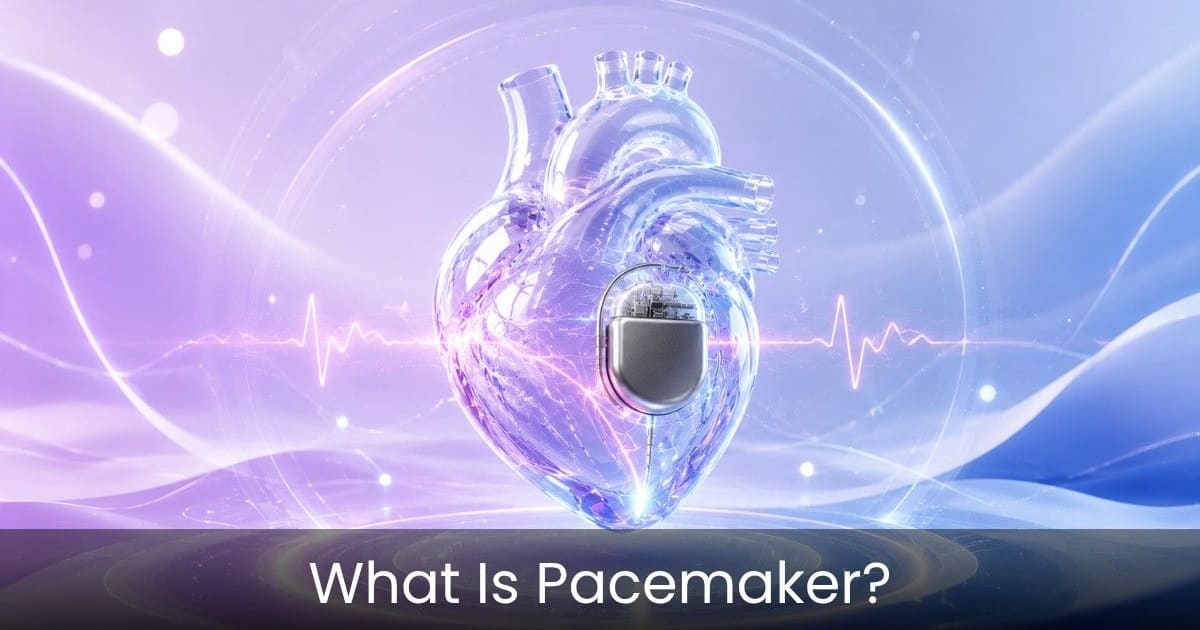
A pacemaker is a small battery-powered device implanted just beneath the skin, usually near the chest. It continuously monitors your heart's electrical activity and delivers gentle electrical impulses whenever your heartbeat becomes too slow or irregular.
It does not run your heart. It just catches it when it stumbles. Think of it as a backup system that sits there doing nothing until something goes wrong, then handles it before you even notice.
Pacemakers are commonly used to treat bradycardia, heart block, and other rhythm disorders where the heart cannot maintain a safe heart rate on its own.
How Does a Pacemaker Work?
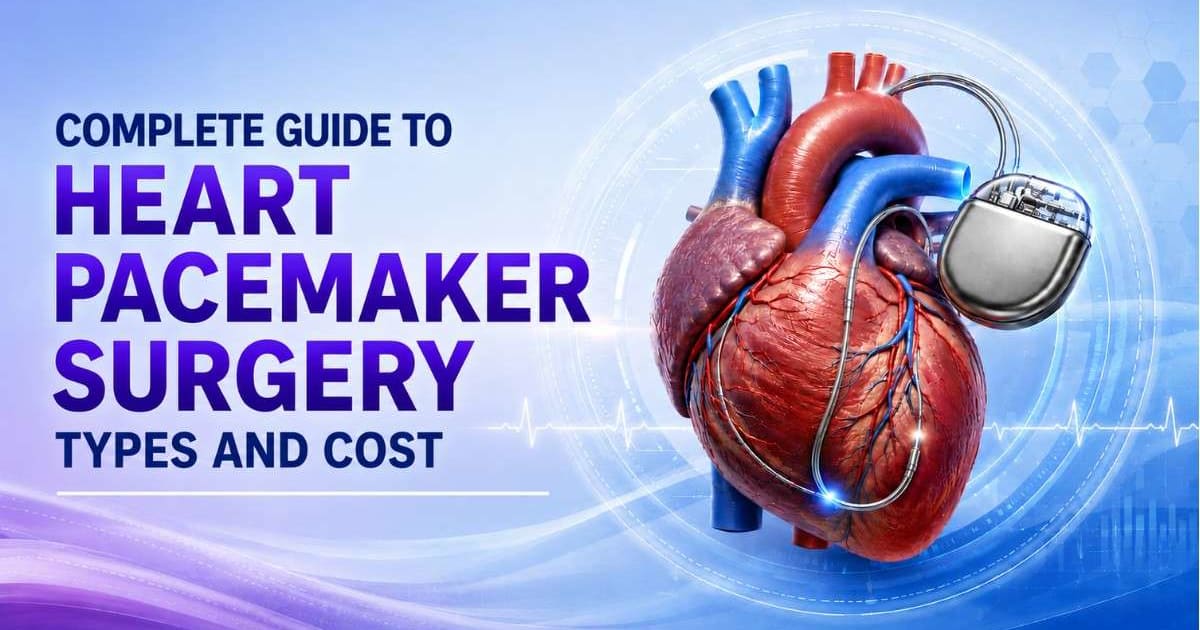
Two components do the work. The pulse generator containing the battery and circuitry. And the leads, thin insulated wires, run into the heart chambers When the heart is beating normally, the device remains inactive. If the heart rate drops below a programmed threshold, the pacemaker delivers a small electrical impulse to restore a normal rhythm.
Leadless versions skip the wires. The capsule goes directly into the heart through a catheter. No lump near the collarbone.
When Is a Pacemaker Needed?
Usually when symptoms have been affecting daily life and medications are no longer managing the situation.
Common reasons a doctor recommends pacemaker implantation include:
Bradycardia causing persistent fatigue, dizziness, or fainting
Heart block disrupting the electrical signal between chambers
Arrhythmias creating dangerous rhythm patterns
Heart failure requiring cardiac resynchronization to improve pumping
Fainting episodes directly linked to the heart slowing or pausing
Most patients reaching this point have been living with symptoms for a while. Improvement after placement is often noticeable within weeks. Some patients with severe structural heart valve disease may also require aortic valve replacement, depending on which valve is affected and how well the heart is functioning. Likewise, people with advanced disease affecting the mitral valve may need mitral valve replacement when repair is no longer a suitable option.
Types of Pacemakers
Different hearts need different solutions. Pacemaker types are not interchangeable, and the right one depends on which chambers are affected and what the condition actually requires.
Single-Chamber Pacemaker
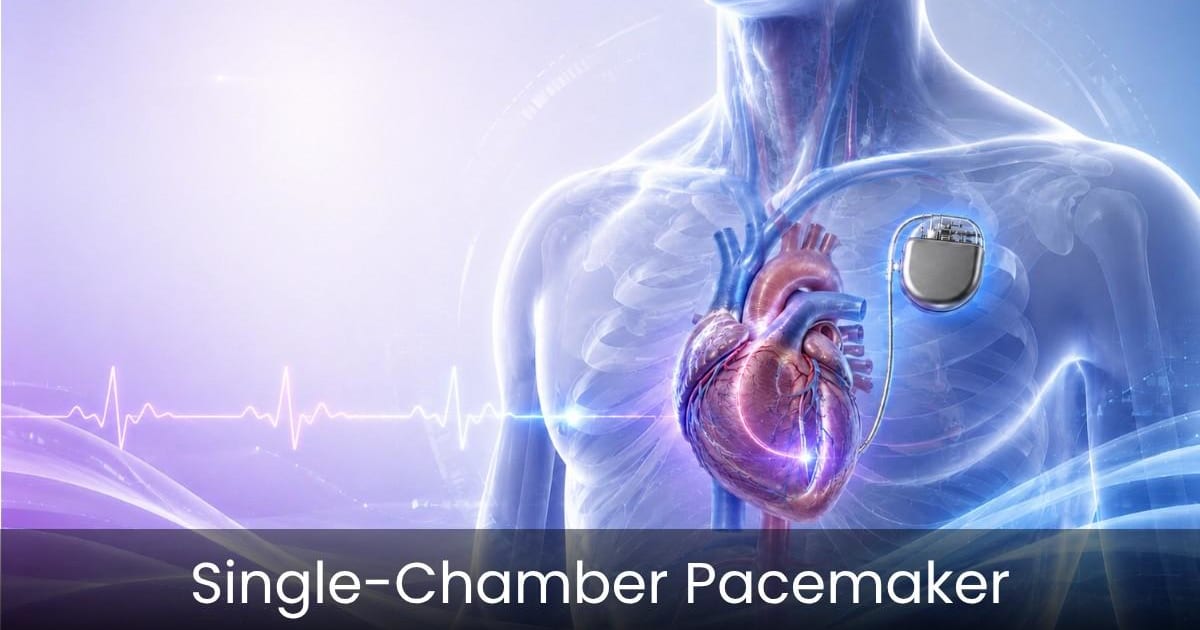
One lead going into one chamber, usually the right ventricle. Used when only that area needs pacing support. Straightforward and well-established.
Dual-Chamber Pacemaker
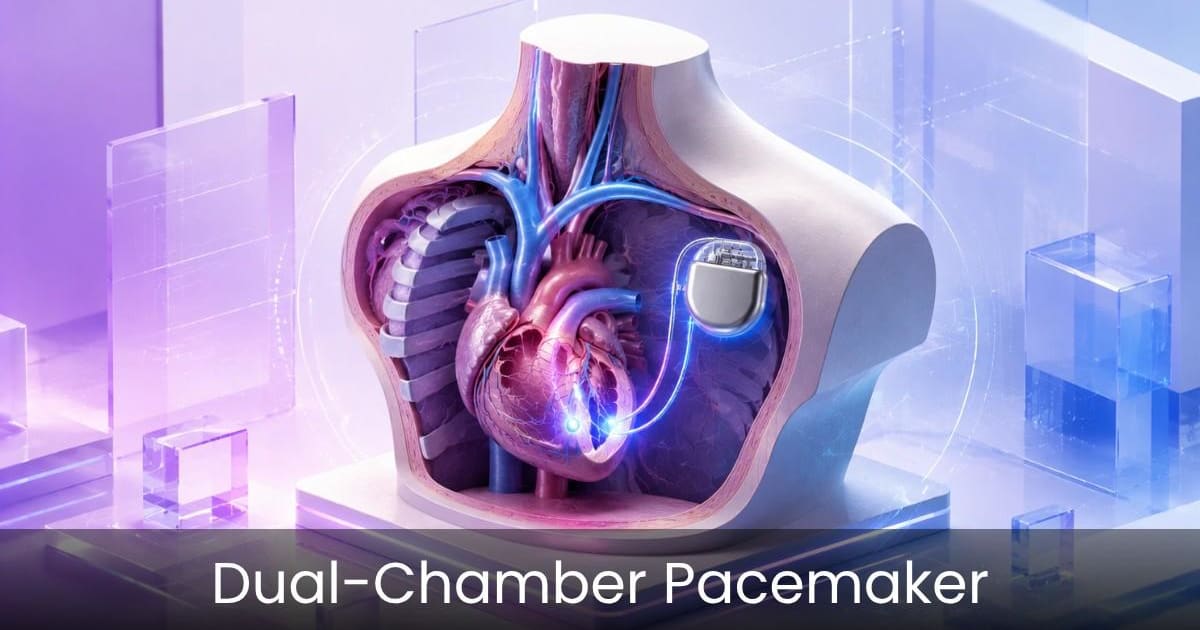
Two leads, one in the upper chamber and one in the lower. Both chambers contract in the right sequence, mirroring how the heart's electrical signal normally travels. Better synchronisation, more natural feel.
Biventricular Pacemaker (CRT)
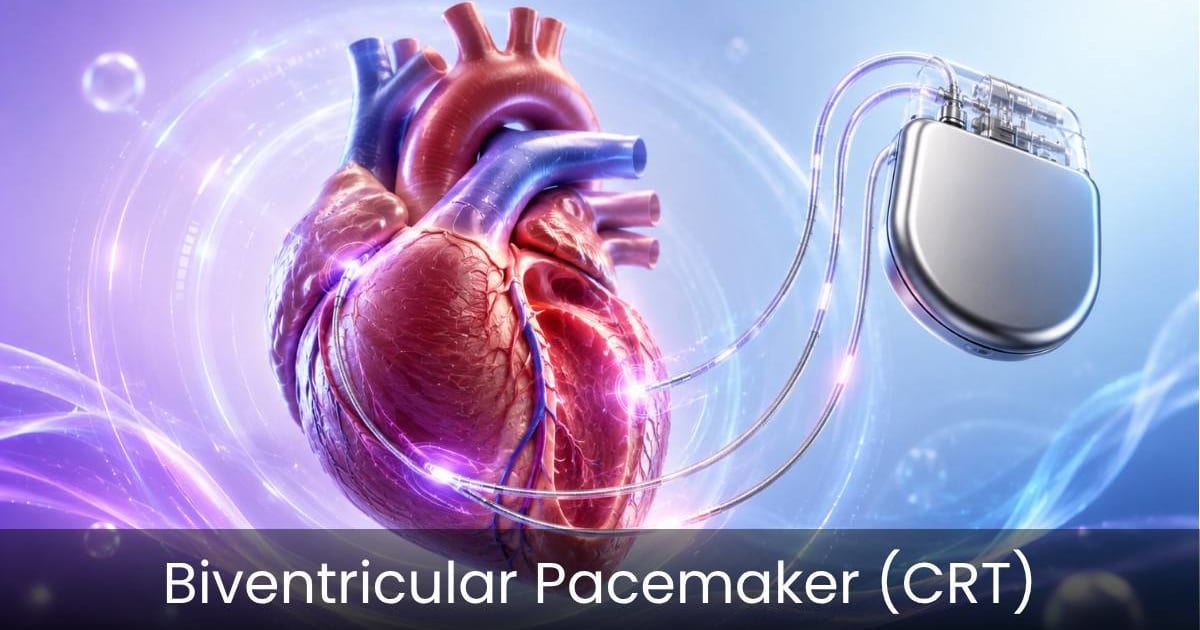
Specifically for patients with advanced heart failure. Multiple leads coordinate both lower chambers simultaneously. Cardiac resynchronisation therapy is the formal name, and it has been shown to improve symptoms and overall heart function in suitable patients.
Leadless Pacemaker
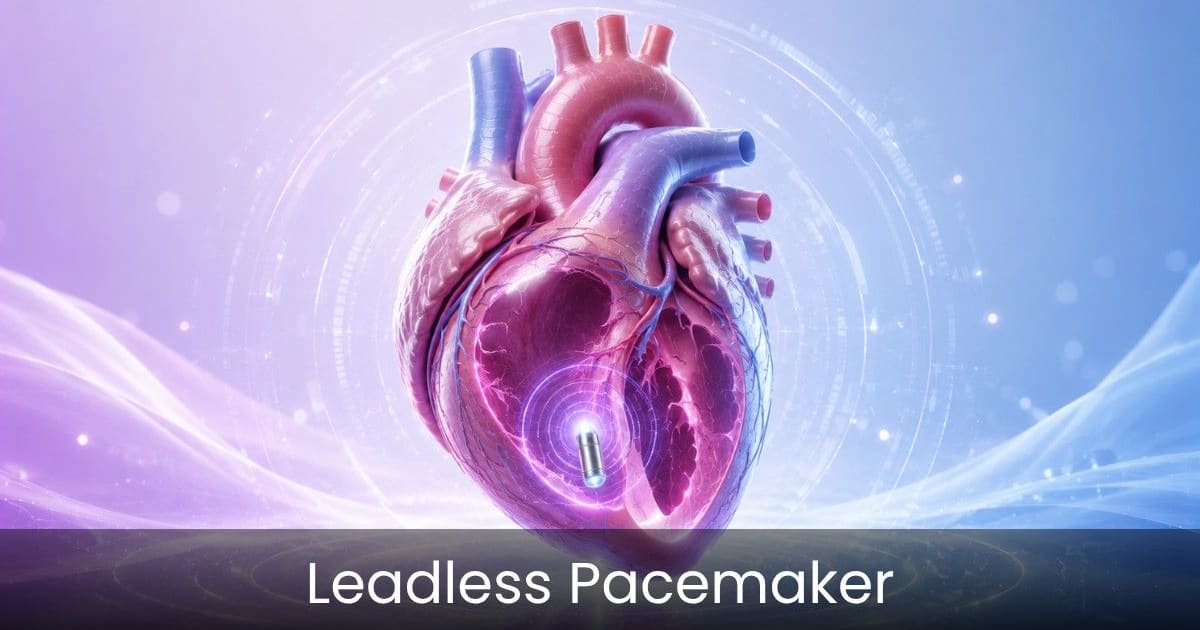
No wires. Capsule placed directly inside the heart via a catheter through the groin. Fewer lead-related complications over time, less visible scarring, and a shorter procedure. Not suited for every patient but increasingly used where it fits.
What Happens During Pacemaker Surgery?
People hear 'cardiac procedure' and assume the worst. Reality is far less dramatic.
Local anaesthesia and mild sedation. Small cut near the collarbone. Leads threaded through a vein into the heart under X-ray. Generator tucked into a pocket under the skin. Tested, closed, done in one to two hours. Most patients go home the next day.
Leadless surgery skips the chest incision entirely. A catheter through the groin and a device placed directly inside the heart. Neither approach is open-heart surgery.
Recovery After Pacemaker Implantation
The first two weeks require extra care. No heavy lifting, arm on the implanted side stays below shoulder height, and incision is dry and clean. After that, most people return to regular life. Full healing takes a few weeks, then the device just runs quietly in the background.
Pacemaker Battery Life
Five to fifteen years is the typical range, depending on device type, how frequently it is actually pacing, and how it has been programmed.
When pacemaker battery life runs low, the pulse generator is replaced through a minor procedure. The leads usually stay exactly where they are. Not starting over, just swapping the power source.
Regular checkups monitor battery status so nothing catches anyone off guard.
Restrictions After Pacemaker Surgery
Long-term life with a pacemaker is genuinely normal for most people. The restrictions exist but are not dramatic.
During recovery:
No heavy lifting
Keep the affected arm below shoulder level
Keep the incision site dry and clean
Attend all scheduled follow-up appointments
Long-term:
Keep mobile phones a few centimetres from the device, not in the breast pocket over it
Inform any doctor, dentist, or specialist about the pacemaker before procedures
Some MRI protocols require specific adjustments, so always mention it
Avoid prolonged close contact with strong electromagnetic equipment
Exercise, travel, work, daily activities. All of that continues for the vast majority of patients after full recovery.
Risks and Complications
Serious complications are not common, but they are real and worth knowing before making a decision.
These include infection at the implant site, bleeding or bruising, lead displacement in the early weeks, blood clots, allergic reactions, and in rare cases a small lung injury or device malfunction.
Experienced surgical teams and careful post-operative management keep these risks low. For most patients with genuine rhythm disorders, leaving the condition untreated carries more risk than the procedure itself.
Pacemaker Cost in India
Costs vary based on device type, hospital, city, and surgeon experience.
Pacemaker Type | Approximate Cost |
Single-Chamber Pacemaker | Rs. 40,000 to Rs. 1,50,000 |
Dual-Chamber Pacemaker | Rs. 70,000 to Rs. 2,00,000+ |
Biventricular CRT Pacemaker | Rs. 1,50,000 to Rs. 3,00,000+ |
Leadless Pacemaker | Rs. 8,00,000 to Rs. 12,00,000 |
These figures cover the device. Diagnostics, hospital stay, procedure fees, and follow-up visits add to the total. India draws cardiac patients internationally for this reason: qualified specialists, modern infrastructure, and costs far lower than equivalent care in the US or UK.
Life Expectancy After Pacemaker
Life expectancy after a pacemaker is not a fixed number. Age, overall health, and whatever underlying conditions exist alongside the rhythm disorder all factor in. When reduced heart function is caused by blocked coronary arteries rather than an electrical problem, bypass surgery (CABG) may be recommended to improve blood flow to the heart. For many patients, a pacemaker not only improves quality of life but may also help extend life expectancy by preventing serious rhythm-related complications
Fatigue lifts. Fainting stops. Breathlessness that had been creeping into everything eases. People describe getting their energy back in ways they had quietly stopped expecting.
A pacemaker does not cure every heart condition, but it removes one major obstacle by helping the heart maintain a safe and reliable rhythm. In patients with end-stage heart failure that cannot be managed with pacemakers or other cardiac procedures, heart transplant surgery may become the next treatment option. Before transplantation is considered, doctors carefully evaluate heart transplant eligibility to determine whether the procedure is appropriate for the patient.
Conclusion
A pacemaker is one of the most effective treatments for managing abnormal heart rhythms, helping people with conditions such as bradycardia, heart block, certain arrhythmias, and advanced heart failure regain a more stable heartbeat and improve their quality of life.
Pacemaker implantation is a routine procedure with a manageable recovery, and modern devices are designed to provide reliable long-term support. If you're considering pacemaker treatment, GetBeds can help you explore trusted hospitals, experienced cardiologists, and the right treatment options to make informed healthcare decisions.
Frequently Asked Questions
A small battery-powered device implanted under the skin that monitors heart rhythm and delivers electrical impulses when the heartbeat drops too slowly or becomes irregular. It stays passive during normal rhythm and activates only when needed.
When conditions like bradycardia, heart block, or certain arrhythmias are causing persistent symptoms that medication cannot manage. Also recommended in some heart failure cases requiring cardiac resynchronisation.
Single-chamber, dual-chamber, biventricular CRT, and leadless. Each is suited to different heart conditions. The right type depends on which chambers are affected and what the underlying problem requires.
It is a minimally invasive procedure and generally considered safe. Complications can occur, but serious ones are uncommon when performed by an experienced cardiac team. Most patients go home within a day.
Single-chamber devices start around Rs. 40,000. Leadless pacemakers can reach Rs. 12,00,000. The total cost depends on device type, hospital, and city and includes procedure fees and follow-up care.
During recovery, avoid heavy lifting and raising the affected arm overhead. Long-term, keep mobile phones away from the device, alert medical providers before scans or procedures, and avoid prolonged exposure to strong electromagnetic equipment. Most normal daily activities continue without issue.
Disclaimer:
This blog is intended for informational purposes only and does not constitute medical advice. Always consult a qualified healthcare professional for diagnosis and treatment.