Share this Article
Hearing that you or your child has a congenital heart defect can be overwhelming. It's natural to have questions about the condition, treatment options, surgery, and recovery. Fortunately, advances in pediatric cardiac care have made congenital heart disease surgery highly effective for many patients. With timely diagnosis and expert treatment, children with congenital heart defects can often grow up to lead healthy and active lives.
Not every congenital heart defect requires surgery, but some need early intervention to prevent complications and improve heart function. Understanding the condition is the first step toward making informed decisions.
In this guide, we'll explain what congenital heart disease is, the different types of congenital heart disease, treatment options, when surgery is recommended, and what patients and parents can expect throughout the journey.
What is congenital heart disease?
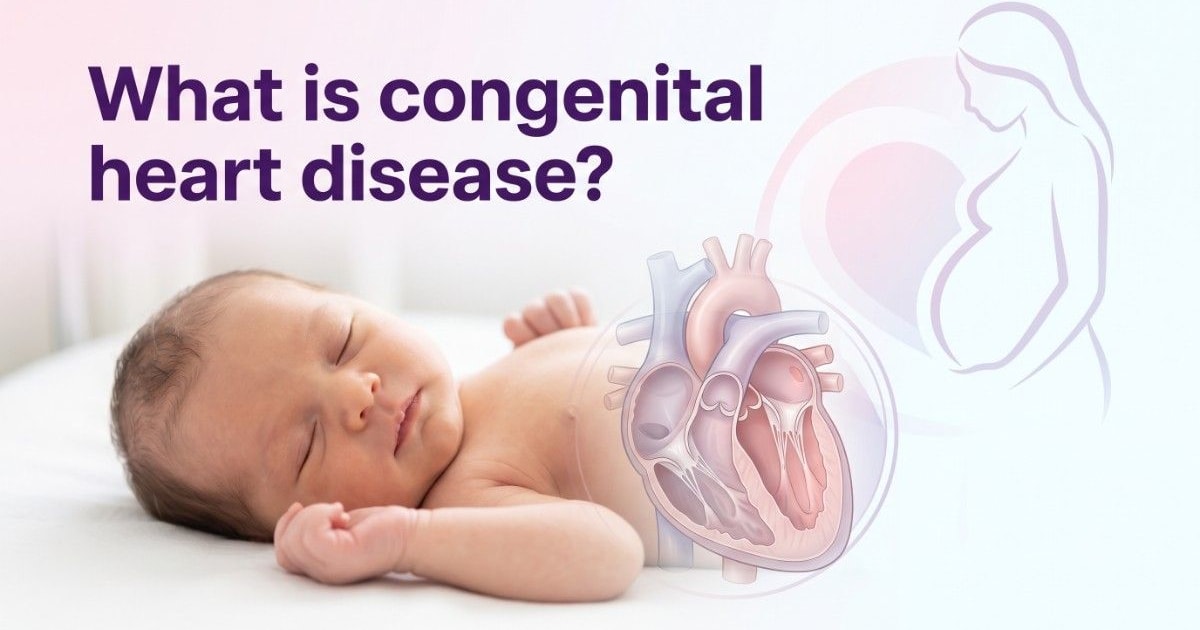
Congenital Heart Disease (CHD) refers to structural problems in the heart that are present at birth. These defects develop while the baby's heart is forming during pregnancy and may affect the heart's chambers, valves, or major blood vessels.
Some defects are mild and may not cause noticeable symptoms, while others can reduce blood flow or oxygen supply to the body. These more serious conditions often require medical treatment or surgery.
Many congenital heart defects are diagnosed during pregnancy or shortly after birth, but some may only be detected later in childhood or even adulthood.
Types of congenital heart disease
Doctors classify the types of congenital heart disease into two main categories.
Acyanotic congenital heart disease
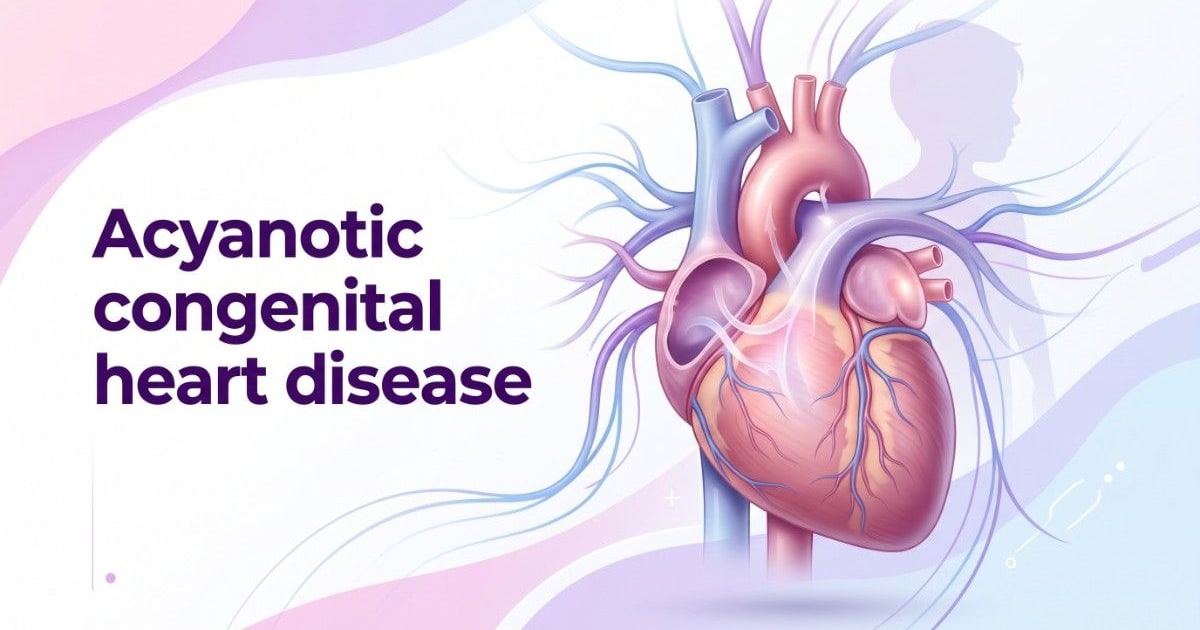
In these conditions, oxygen-rich blood still reaches the body, but the heart works harder because of abnormal blood flow. Common examples include:
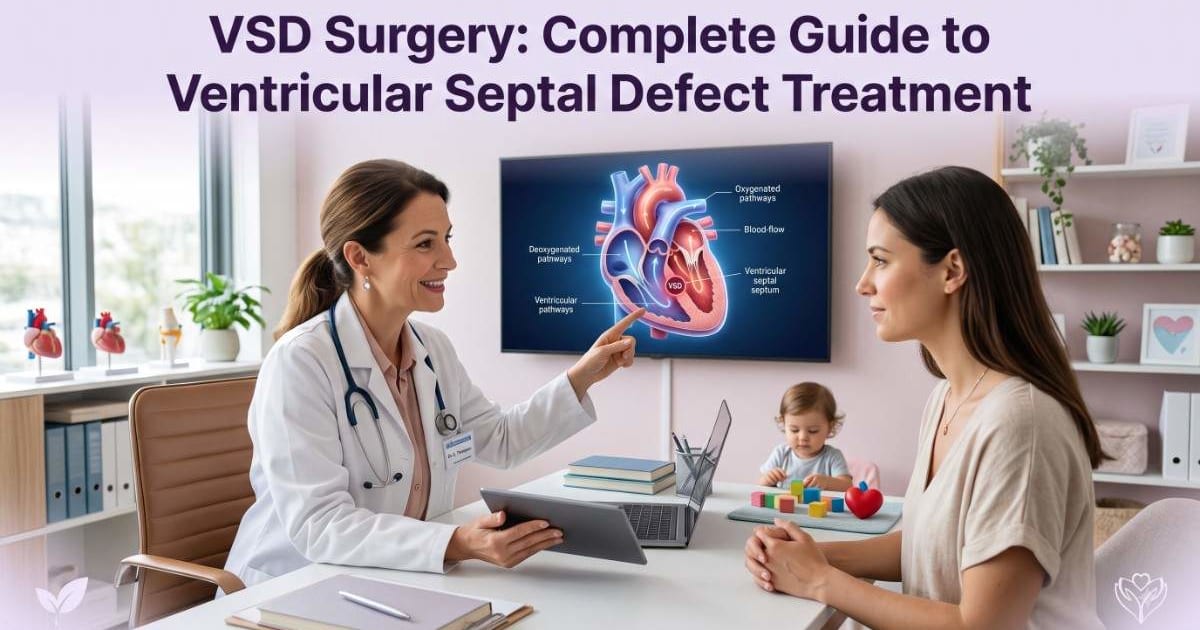
Ventricular Septal Defect (VSD)
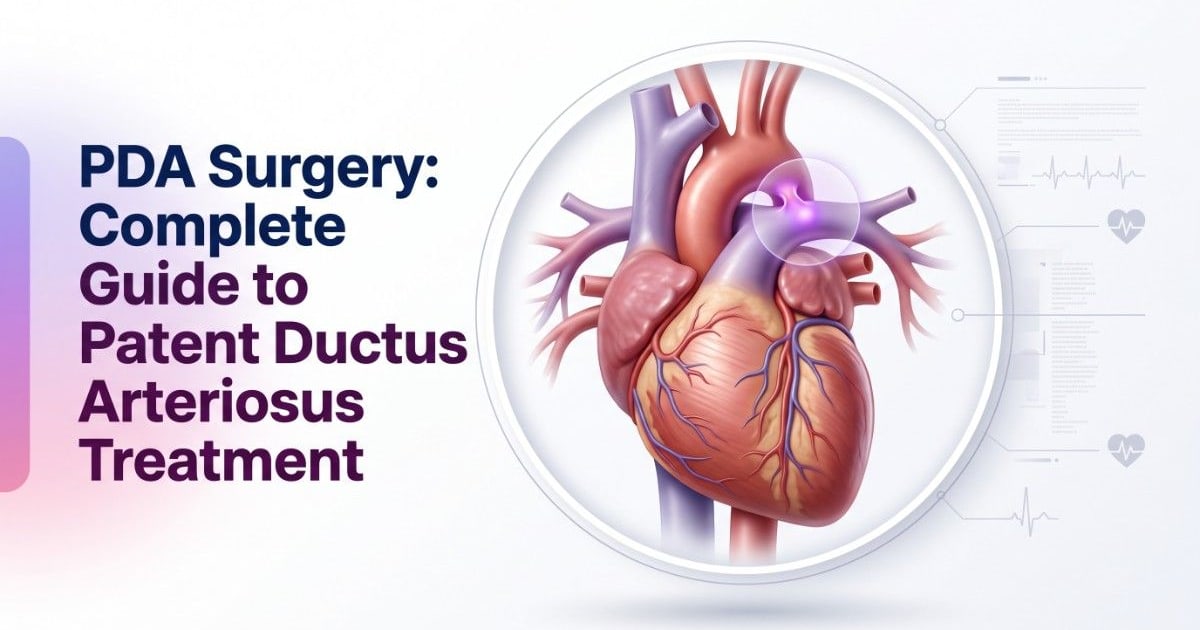
Patent Ductus Arteriosus (PDA)
Coarctation of the Aorta
Cyanotic congenital heart disease
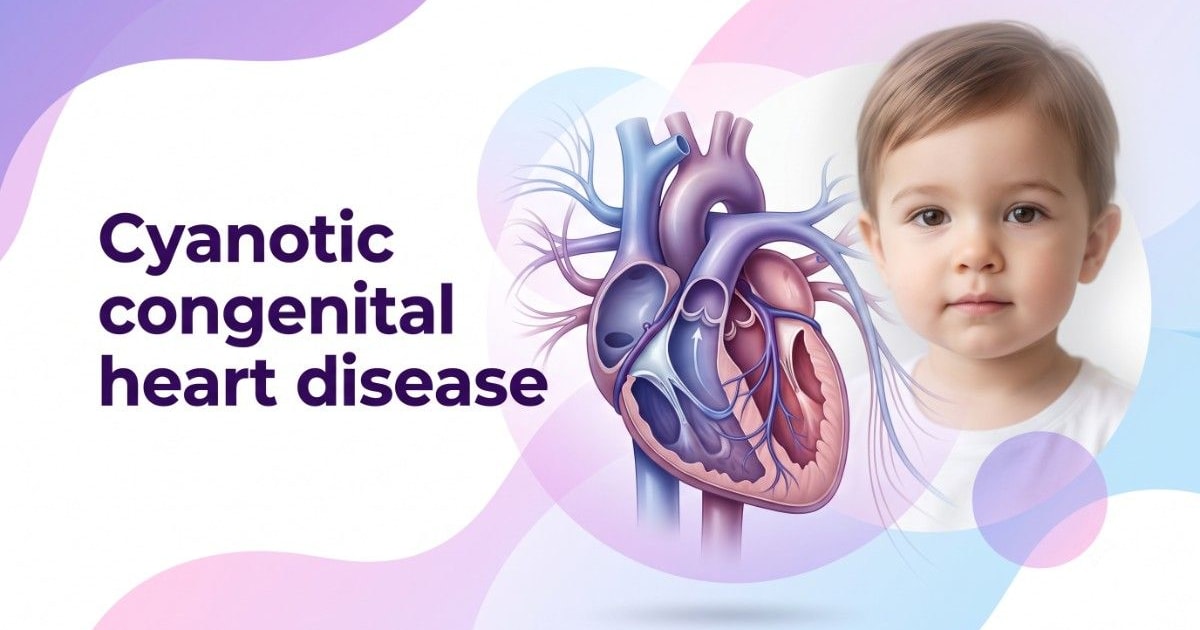
The main difference between cyanotic and acyanotic heart disease is that cyanotic defects reduce the amount of oxygen reaching the body, which may cause bluish lips, fingertips, or skin. Common examples include:
Tetralogy of Fallot
Transposition of the Great Arteries
Pulmonary Atresia
Tricuspid Atresia
These conditions are generally more complex and often require congenital heart surgery in children during infancy or early childhood.
Symptoms of congenital heart disease
Symptoms vary depending on the type and severity of the heart defect at birth. Some babies show signs immediately, while others remain symptom-free for years. Common symptoms include:
Fast or difficult breathing
Poor feeding
Slow weight gain
Bluish lips or skin
Excessive sweating during feeding
Frequent chest infections
Fatigue or low energy
Shortness of breath
If these symptoms are present, doctors may recommend further evaluation to confirm the diagnosis.
Diagnosis of congenital heart disease
Early Congenital Heart Disease Diagnosis helps doctors determine the severity of the condition and choose the right treatment.
Diagnosis usually involves a physical examination followed by tests such as:
Echocardiogram
Chest X-ray
Pulse oximetry
Cardiac CT or MRI, if required
In some cases, congenital heart defects can even be detected before birth through foetal echocardiography, allowing doctors to plan treatment soon after delivery.
Treatment of congenital heart disease
Treatment depends on the type and severity of the defect. Small heart defects may only require regular monitoring, while larger or more complex conditions often need medical procedures or surgery.
Doctors may recommend congenital heart disease treatment if the defect affects blood circulation, lowers oxygen levels, causes heart failure symptoms, or interferes with a child's normal growth and development.
Treatment options may include medications, catheter-based procedures, or paediatric cardiac surgery to repair the heart and improve its function.
Procedure of congenital heart surgery
The congenital heart surgery procedure depends on the type and severity of the heart defect. Some conditions can be treated with minimally invasive catheter-based procedures, while others require open heart surgery in newborns, children, or adults.
Before surgery, the medical team performs blood tests, imaging scans, and a detailed heart evaluation to plan the safest approach. During the procedure, the patient is placed under general anaesthesia. In complex cases, surgeons may use a heart-lung machine while repairing the defect. Depending on the condition, surgery may involve:
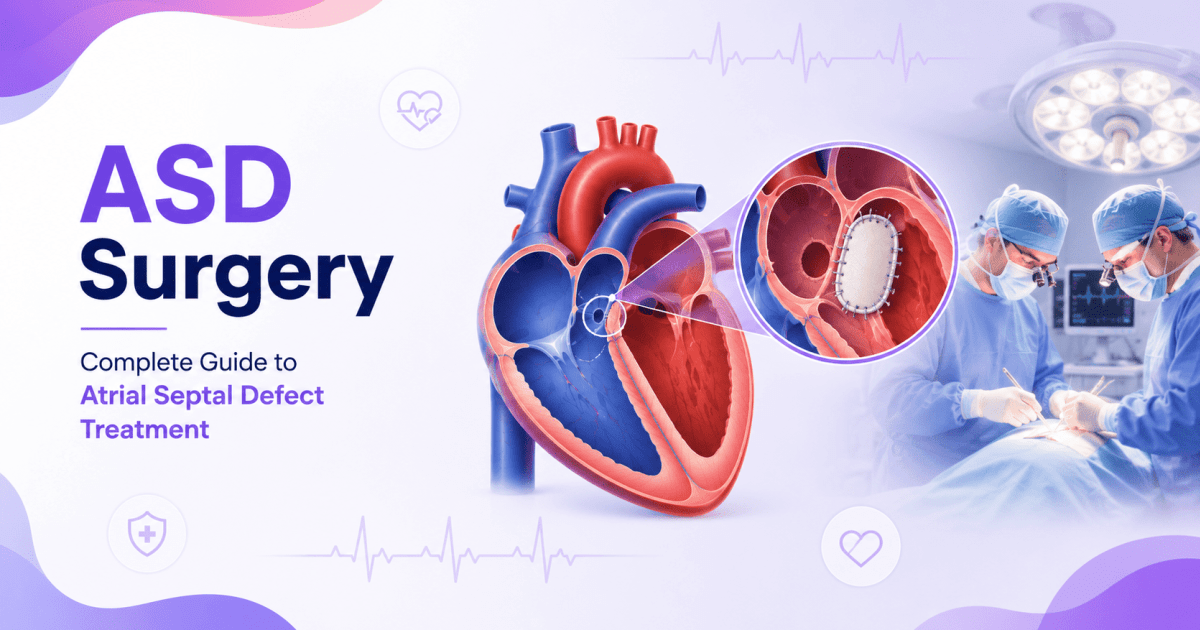
Closing holes in the heart
Repairing or replacing heart valves
Correcting abnormal blood vessels
Improving blood flow between the heart and lungs
The duration of surgery varies, but the goal remains the same: improve heart function, restore healthy blood circulation, and reduce future complications.
Recovery after congenital heart surgery
After surgery, patients are closely monitored in the Intensive Care Unit (ICU) before being moved to a regular hospital room. The medical team continuously checks heart function, oxygen levels, and overall recovery.
Once discharged, recovery continues at home. Doctors generally recommend:
Taking medications as prescribed
Keeping the surgical wound clean
Attending follow-up appointments
Eating a balanced diet
Gradually returning to normal activities
Parents should also watch for warning signs such as fever, breathing difficulty, unusual swelling, or redness around the incision and seek medical attention if needed.
Most children recover well and can return to school, sports, and daily activities after their doctor approves.
Can congenital heart disease be cured with surgery?
Whether congenital heart disease can be cured depends on the specific defect. Some congenital heart defects can be completely repaired with one surgery, while others require staged procedures or lifelong monitoring.
Even after successful treatment, regular follow-ups with a cardiologist are important to ensure the heart continues to function properly as the patient grows.
Why does choosing the right hospital matter?
Successful treatment depends not only on the surgery but also on receiving care from an experienced cardiac team. When selecting a hospital, look for:
Experienced pediatric cardiac surgeons
Advanced diagnostic facilities
Dedicated cardiac intensive care units
Comprehensive post-operative care
Regular follow-up and rehabilitation support
Choosing the right medical team can improve both recovery and long-term outcomes.
Conclusion
A diagnosis of congenital heart disease can feel overwhelming, but today's medical advances have significantly improved treatment outcomes. Early diagnosis, timely congenital heart disease treatment, and expert surgical care give many patients the opportunity to live healthy, active lives.
If you or your child has been diagnosed with a congenital heart defect, consult an experienced cardiac specialist to understand the most suitable treatment plan. GetBeds can help you connect with trusted hospitals and experienced cardiac specialists for timely treatment and informed healthcare decisions. Early intervention and regular follow-up can make a meaningful difference in long-term heart health.
Frequently Asked Questions
Congenital heart disease surgery is performed to repair structural heart defects present at birth and improve heart function and blood circulation.
The two main categories are acyanotic and cyanotic congenital heart diseases, including conditions such as ASD, VSD, PDA, and tetralogy of Fallot.
Some heart defects can be completely repaired through surgery, while others require ongoing treatment and regular monitoring.
The timing depends on the type and severity of the defect. Surgery may be performed during infancy, childhood, or adulthood.
Success rates vary by condition, but advances in paediatric cardiac surgery have greatly improved outcomes for many patients.
Some congenital heart defects have a genetic link, while many occur without a known cause. Environmental factors during pregnancy may also play a role.
Disclaimer:
This blog is for informational purposes only and does not constitute scientific recommendations. Always consult a certified healthcare expert for analysis and remedies.