
Share this Article
Climbing one flight of stairs should not leave anyone breathless. But for people dealing with a damaged aortic valve, that is exactly the kind of moment that starts raising red flags. Chest tightness during a morning walk. Tiredness that hits for no real reason. Dizzy spells that come and go. These are not just bad days. They are the heart telling you something is wrong.
The good news is that aortic valve replacement today is far more advanced than it was two decades ago. Options have expanded, recovery has improved, and outcomes for most patients are genuinely encouraging.
What Is Aortic Valve Replacement?
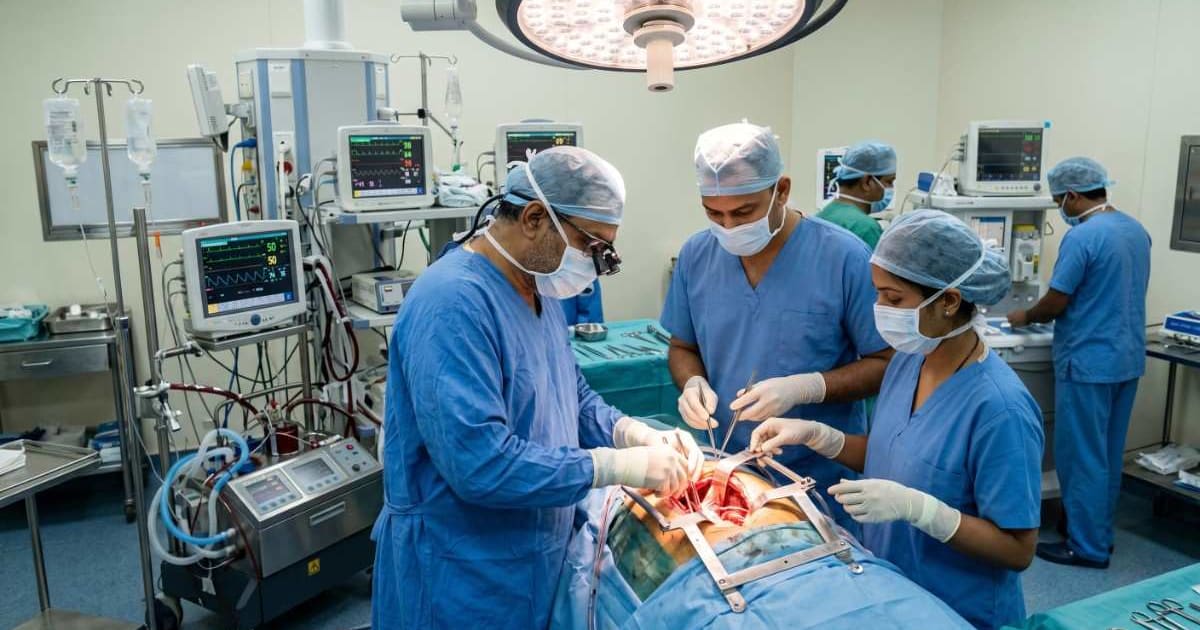
Put simply, it is a surgery in which doctors replace the damaged aortic valve with a new valve that restores normal blood flow. The aortic valve sits between the heart's main pumping chamber and the aorta, which carries blood to the rest of your body. When this valve narrows, stiffens, or leaks, your heart has to work much harder to push blood through a valve that no longer functions properly. Doctors usually reach for valve replacement when the following occurs:
The valve has narrowed so much that blood can barely get through (aortic stenosis)
The valve leaks and blood flows the wrong way (aortic regurgitation)
Someone was born with a defective valve
Years of wear have broken it down past what any medication can fix
Types of Aortic Valve Replacement Procedures
1. Surgical Aortic Valve Replacement (SAVR)
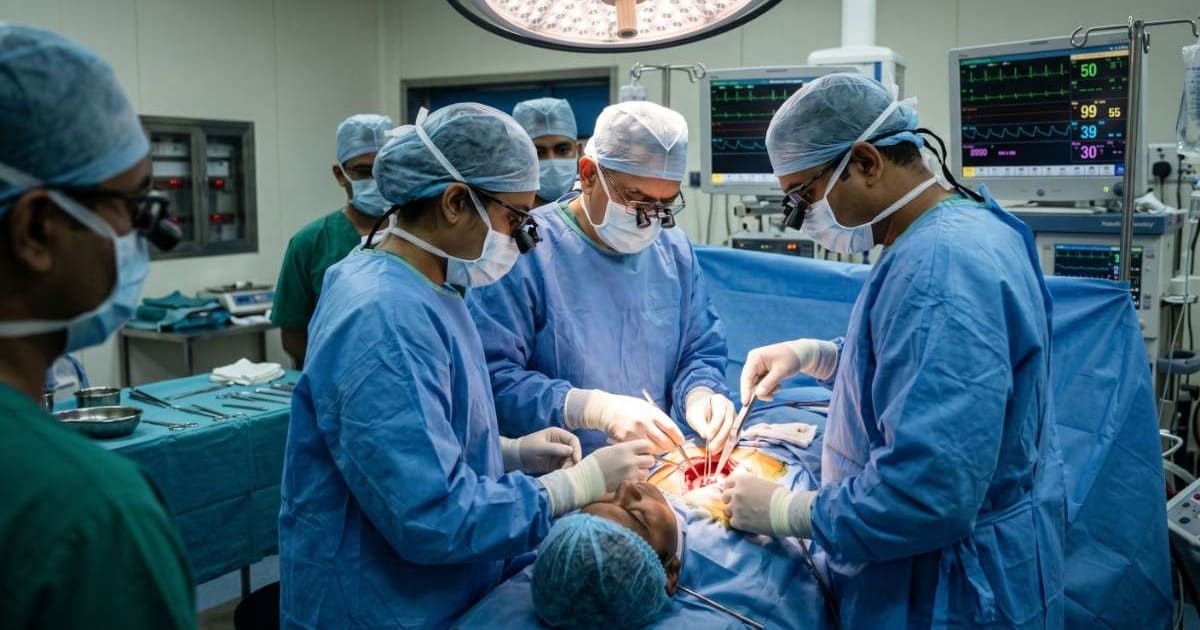
This is the older, more established route. The chest is opened, the heart is accessed directly, the old valve comes out and a new one goes in. It sounds intense because it is. But it has decades of evidence behind it and remains the gold standard for many patients, especially younger and healthier ones.
2. The TAVI Procedure
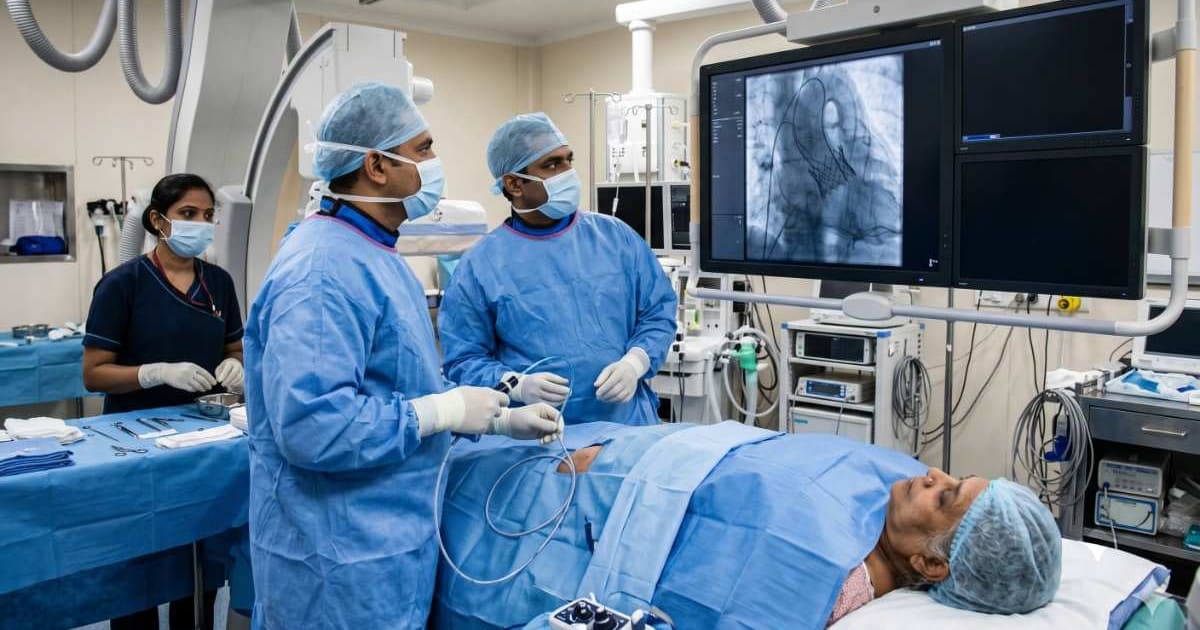
This one changed everything for older or high-risk patients who could not safely handle open surgery. Instead of cutting the chest open, surgeons thread a thin catheter, usually through the groin artery, guide it all the way to the heart, and deploy the new valve right inside the old one. No large incision. Much less trauma on the body.
People recover faster. Hospital stays are shorter. And patients who were previously told they were not surgical candidates suddenly had an option.
Mechanical valve vs. tissue valve: Which one is better?
There are two types of replacement valves, and picking between them is not straightforward.
Mechanical valves are tough. Built from carbon and metal, many last a lifetime. But you will be on blood thinners forever. That means regular blood checks, dietary awareness, and being careful with certain medications. For a 40-year-old who wants one surgery for life, this often makes sense.
Tissue valves come from animal or human donor tissue. Most people on tissue valves do not need lifelong blood thinners, which is a big deal for daily quality of life. The trade-off is that they wear out, usually somewhere in that 10 to 20 year window, and another replacement may be needed later.
Honestly, there is no universally right answer. Similarly, patients with disease affecting a different heart valve may be advised to undergo mitral valve replacement instead of aortic valve replacement.
What Happens Before Surgery?
Nothing about this is rushed. Before any procedure, the medical team runs a full workup, including blood tests, an echocardiogram, ECG, chest X-ray, CT scan, and sometimes cardiac catheterization. You get specific instructions about food, water, and your current medications in the days before.
Following these instructions carefully helps reduce the risk of complications during and after surgery.
Recovery after aortic valve replacement
After Open-Heart Surgery (SAVR)
You are looking at one to two days in the ICU, then several more in the general ward. Total recovery back to normal life takes around six to eight weeks. Activity builds back gradually. Cardiac rehab is usually part of the plan and genuinely helps people get their strength back in a structured way.
After TAVI surgery
Recovery after TAVI is generally much quicker. Many people go home within 48 hours. Within a week or two, they are back to their regular routine. The body recovers faster because the procedure itself was far less physically disruptive.
Success Rate of Aortic Valve Replacement

Aortic valve replacement has a high success rate, and clinical outcomes are generally very positive for eligible patients. Open-heart aortic valve replacement carries success rates between 94% and 97%. The TAVI procedure comes in at 90% to 92%. These are not small numbers.
Most patients who go through either procedure describe the same thing afterward: they feel like themselves again. The breathlessness lifts. The fatigue that had settled in like a permanent fog starts clearing. Day-to-day life stops feeling like a physical battle.
Risks and Complications of Aortic Valve Replacement Surgery
Serious complications are not common, but they exist. These include bleeding, infection, stroke, blood clots, and heart rhythm problems that may occasionally require pacemaker surgery. Having an experienced cardiac team and following medical guidance before and after surgery is the most practical way to reduce that risk.
Cost of Aortic Valve Replacement in India
Costs shift based on hospital, city, surgeon experience, and valve type.
Open-heart valve replacement lands roughly between Rs. 3,50,000 and Rs. 6,00,000
TAVI procedure typically runs Rs. 18,00,000 to Rs. 40,00,000
The TAVI price is higher because the valve and delivery system involved are highly specialised. That said, shorter hospital stays do cut into that difference somewhat.
India has become a leading destination for cardiac treatment. Skilled surgeons, modern facilities, and costs that are a fraction of what the same care runs in the US or UK make it a real option worth considering.
After Surgery: The Longer Picture
Recovery from surgery is one thing. Long-term heart health is another. For people with advanced heart disease where valve replacement is no longer enough, heart transplant surgery may become the next treatment option after a detailed medical evaluation.
That sounds basic, but it is the difference between a procedure that changes your life and one that just buys you time.
Conclusion
Aortic valve replacement is not a small thing, but for people with serious valve disease it is often the thing that gives them their life back. Whether through open surgery or the TAVI procedure, the core goal is the same: get a valve working properly so the heart stops fighting an uphill battle every single moment. However, if the primary problem is blocked coronary arteries rather than a faulty valve, bypass surgery (CABG) may be the more appropriate treatment
If you or someone close to you is facing this decision, understanding what the options actually involve makes those conversations with your cardiologist much more useful. Both procedures have excellent outcomes for appropriately selected patients. The recovery, while real, is manageable. And most people on the other side of it wonder why they waited as long as they did.
Frequently Asked Questions
Open-heart aortic valve replacement typically succeeds in 94% to 97% of cases. The TAVI procedure sits between 90% and 92%. Exact figures shift based on patient health and procedure type.
Open-heart patients usually need six to eight weeks for full recovery. Those who have TAVI often return to daily activities within one to two weeks.
Nothing at all. Same procedure, two names. Transcatheter aortic valve implantation and transcatheter aortic valve replacement both refer to the same catheter-based approach.
Yes, for patients who qualify. TAVI delivers the replacement valve through a catheter, usually through the groin, with no chest incision needed.
Mechanical valves last longer but require permanent blood thinners. Tissue valves avoid that but may need replacing in 10 to 20 years. The right choice depends on age, lifestyle, and overall health, and is best decided with your cardiologist.
Disclaimer: This article is for general information only and is not a substitute for professional medical advice. Always speak with a qualified doctor before making any health decisions.