Share this Article
Did you know that cardiovascular diseases are responsible for nearly 27% of all deaths in India, yet a large number of people skip basic heart tests like an ECG until symptoms become serious?
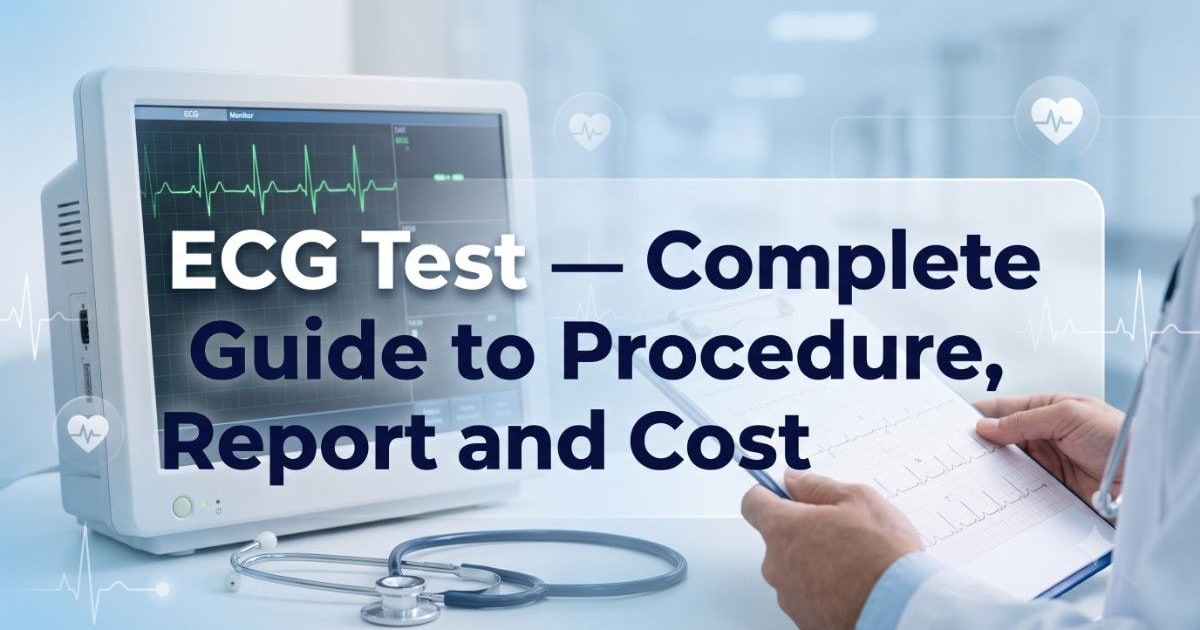
An ECG, short for 'electrocardiogram', is one of the simplest tests your doctor can run. It takes about ten minutes, involves no needles, causes no pain, and shows how your heart's electrical system is working. If you've been told you need one, this guide covers what to expect.
What is an ECG test?
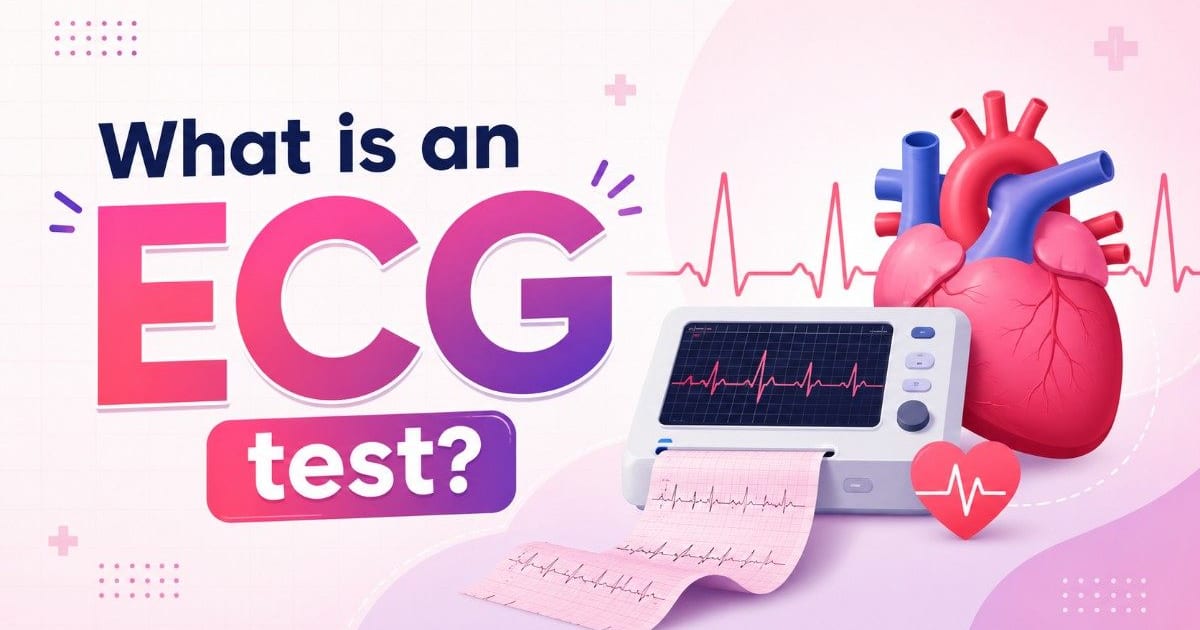
Every heartbeat starts with an electrical signal travelling through your heart muscle in a specific sequence. An ECG records those signals as wave patterns on a screen or paper strip. Doctors use these patterns to check heart rate, assess rhythm, and identify conditions like arrhythmia, coronary artery blockage, or signs of a previous heart attack. You might also see it written as EKG, from the German Elektrokardiogramm. Both refer to the same test.
Is an ECG painful or risky?
No, an ECG is completely non-invasive and painless. The test simply records electrical signals from the heart through sensors placed on the skin. There are no injections, no radiation, and no recovery time required afterwards. Some people may notice mild discomfort when adhesive electrodes are removed, but the procedure itself is considered extremely safe.
Why is an ECG done?
Doctors recommend an ECG for various reasons, not just when someone is unwell. Common reasons include:
Chest pain or discomfort that needs investigating
Palpitations, fluttering, or a racing heartbeat
Shortness of breath without a clear cause
Dizziness, lightheadedness, or fainting episodes
Unusual fatigue or weakness
Monitoring someone already diagnosed with a heart condition such as cardiomyopathy.
Checking how well heart medications are working
Pre-surgery cardiac screening
Routine check-up for people over 40 with risk factors
Types of ECG
The type of ECG recommended depends on your symptoms and what the doctor needs to find.
1. Resting ECG
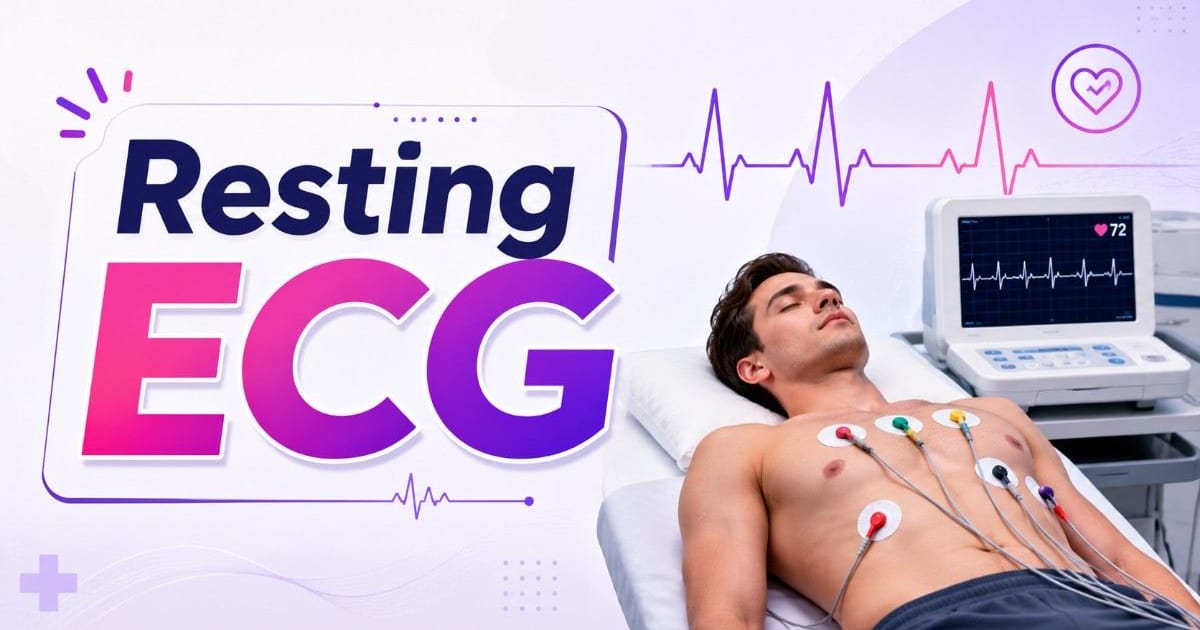
The standard version. You lie flat while electrodes record your heart's activity for a few minutes. Quick, done in a clinic or at home, and gives a solid baseline picture.
2. Stress ECG (Treadmill Test or TMT)
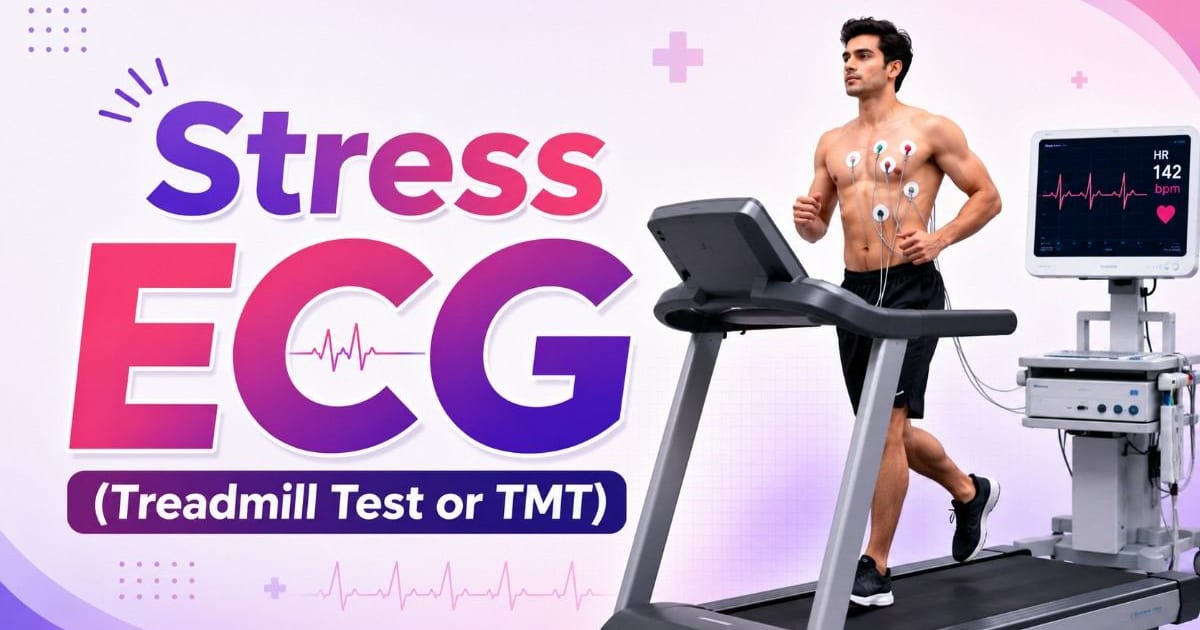
Records heart activity during exercise on a treadmill or bike. Useful because some arrhythmias or blockages only show up when the heart is under strain. Often used to investigate coronary artery disease.
3. Holter Monitor
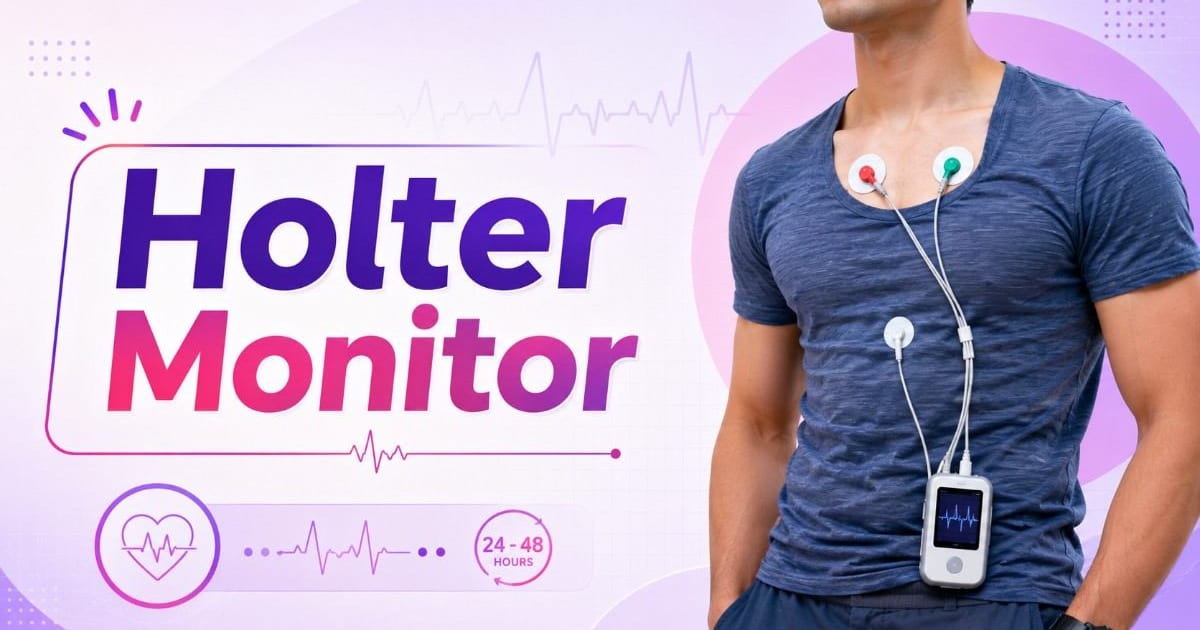
A portable ECG device worn for 24 to 48 hours during normal daily life. Useful when symptoms are intermittent and unlikely to appear during a short clinic visit.
4. Event Monitor
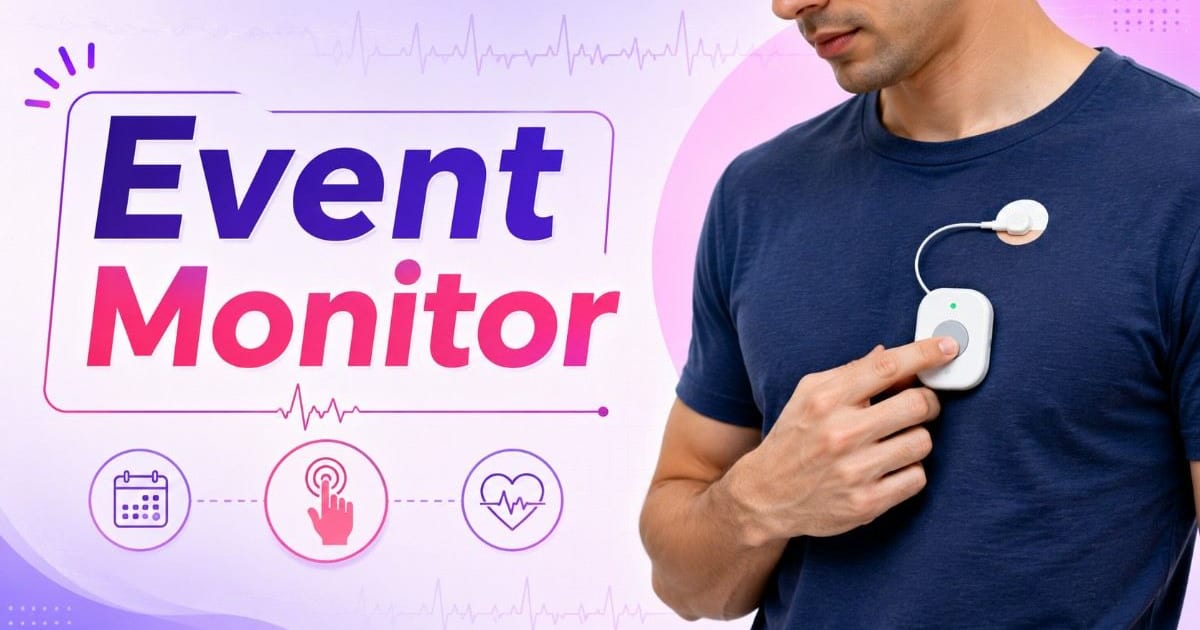
Worn for longer periods, sometimes weeks. Activated manually when symptoms occur, capturing the heart's activity at exactly that moment.
5. 12 Lead ECG
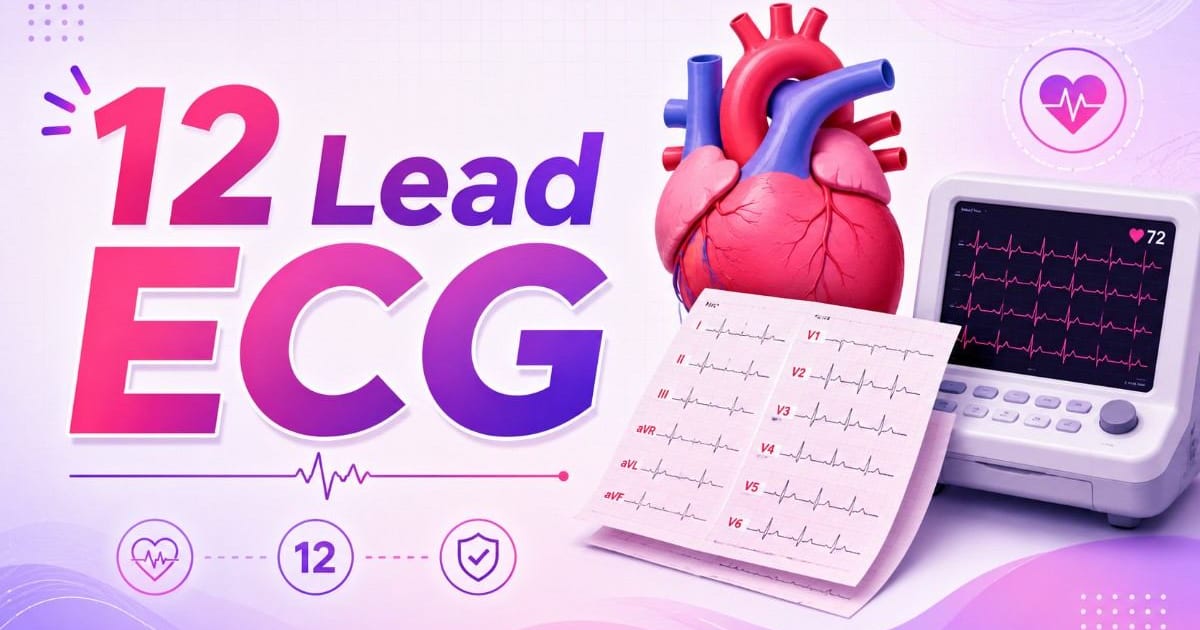
Uses 12 different viewpoints of the heart's electrical activity simultaneously. Most hospital and clinic ECGs are 12 lead ECGs.
How is the ECG procedure performed?
The whole process is straightforward and takes about ten to fifteen minutes from start to finish.
Before the test: No fasting required. Avoid caffeine and heavy meals for three to four hours beforehand. Wear loose clothing and remove jewellery before the test. Continue taking your regular medications unless your doctor specifically advises otherwise. If you're undergoing a stress ECG or treadmill test, you may receive separate instructions beforehand.
During the test: You lie on an examination table while a technician places ten to twelve small, sticky electrodes on your chest, arms, and legs. These sensors are connected by wires to the ECG machine. Once everything is in place, you simply lie still, breathe normally, and avoid talking or moving while the machine records your heart's signals. The actual recording takes about five to ten minutes.
After the test: Electrodes are removed, and you can return to normal activities immediately.
At-home ECG testing is widely available in Delhi NCR if travelling to a clinic is difficult. A trained technician visits with portable equipment, and the report is reviewed by a doctor and sent digitally within 24 hours.
Understanding your ECG report
The ECG report shows heart activity as wave patterns. Each part of those waves tells the doctor something specific.
ECG waves: P, QRS and T
The P wave represents the electrical signal firing through the upper chambers (atria) of the heart, telling them to contract.
The QRS complex represents the signal moving through the lower chambers (ventricles), which is the main pumping action of the heart.
The T wave shows the ventricles recovering and resetting after each beat.
Problems in shape, timing, or absence of any wave can indicate different conditions. Irregular P waves might suggest atrial fibrillation, while changes in the QRS complex could indicate a previous heart attack.
What does a normal ECG report show?
A normal resting ECG shows a heart rate between 60 and 100 beats per minute, a regular rhythm, and wave patterns within standard ranges. These ranges differ slightly between men and women, while factors such as normal blood pressure may also be considered when assessing overall cardiovascular health.
What might an abnormal ECG indicate?
An abnormal result doesn't automatically mean something serious. It could reflect movement during recording, a medication effect, or an electrolyte imbalance. It might also indicate arrhythmia or signs of heart damage. Doctors always review findings alongside symptoms and medical history. In some cases, an abnormal ECG simply leads to further testing rather than an immediate diagnosis. Tests such as an echocardiogram, Holter monitoring, blood tests, or stress testing may be recommended depending on the findings.
Can an ECG detect a heart attack or heart blockage?
Yes, and it's one of the main reasons ECGs are performed in emergencies. During a heart attack, the affected muscle stops conducting electricity properly, which shows as characteristic changes in the ST segment and T wave. A 12 lead ECG can also detect signs of coronary artery blockage and even identify a previous silent heart attack the patient wasn't aware of.
ECG vs Echo: What's the difference?
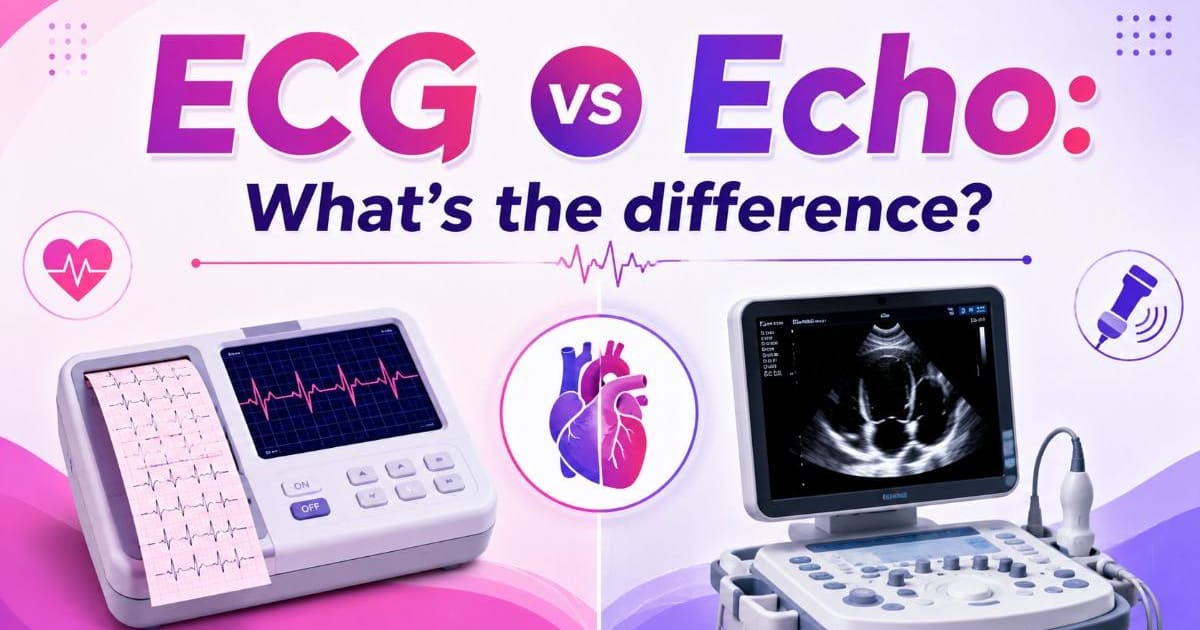
An ECG measures the heart's electrical activity, checking rhythm, rate, and signal timing. An echocardiogram is an ultrasound that shows the heart's physical structure, including chambers, heart valves, and pumping function. They complement each other, and doctors often order both when investigating a heart condition.
ECG test cost in India
ECG testing in India is quite affordable. Prices vary by city and provider. Most certified labs in Delhi NCR offer competitive rates, and at-home services can be booked online.
Type of ECG | Approximate Cost |
Resting ECG at a clinic | Rs. 250 to Rs. 600 |
At-home ECG service | Rs. 799 to Rs. 1,500 |
Holter Monitor (24 to 48 hours) | Rs. 2,000 to Rs. 5,000 |
Stress ECG or Treadmill Test (TMT) | Rs. 1,500 to Rs. 4,000 |
When should you see a doctor?
Don't wait if you're experiencing persistent chest pain, sudden breathlessness, repeated dizziness or fainting, or a sense that your heartbeat is irregular. Early evaluation leads to better outcomes, and at-home ECG services make testing practical when getting to a clinic is difficult.
Conclusion
An ECG is painless, takes minutes, and can flag problems that might otherwise go undetected for years. Whether it's been recommended because of symptoms or as a routine check-up, early detection changes outcomes, and an ECG is one of the easiest first steps you can take. If you need guidance on where to get an ECG or consult an experienced cardiologist, GetBeds can help you connect with trusted hospitals and heart specialists.
Frequently Asked Questions
An ECG or Electrocardiogram records the electrical signals produced by your heart with each beat. It shows your heart rate, whether the rhythm is regular or irregular, and can indicate conditions like arrhythmia, coronary artery blockage, or damage from a previous heart attack.
Twelve small sticky electrodes are placed on the chest, arms, and legs. These connect to an ECG machine that records the heart's electrical signals as wave patterns. The patient lies still for five to ten minutes during the recording. It's painless and requires no injections or fasting.
A normal ECG shows a resting heart rate between 60 and 100 beats per minute, a regular rhythm, and P, QRS, and T wave patterns within standard measurement ranges. Slight variations exist between men and women, and results are always interpreted alongside the patient's symptoms and medical history.
An ECG measures the heart's electrical activity, checking rhythm and rate. An echocardiogram is an ultrasound that creates physical images of the heart's structure and pumping function. They test different aspects of heart health and are often used together.
Yes. An ECG can show characteristic changes that occur during or after a heart attack, as well as signs of reduced blood flow related to coronary artery blockage. It's one of the first tests performed in emergency cardiac care for exactly this reason.
A standard resting ECG at a clinic costs roughly Rs. 250 to Rs. 600. At-home ECG services typically range from Rs. 799 to Rs. 1,500. Holter monitoring costs Rs. 2,000 to Rs. 5,000, and a treadmill stress test falls between Rs. 1,500 and Rs. 4,000, depending on the location and provider.
Disclaimer:
This blog is intended for informational purposes only and does not constitute medical advice. Always consult a qualified healthcare professional for diagnosis and treatment.