Share this Article
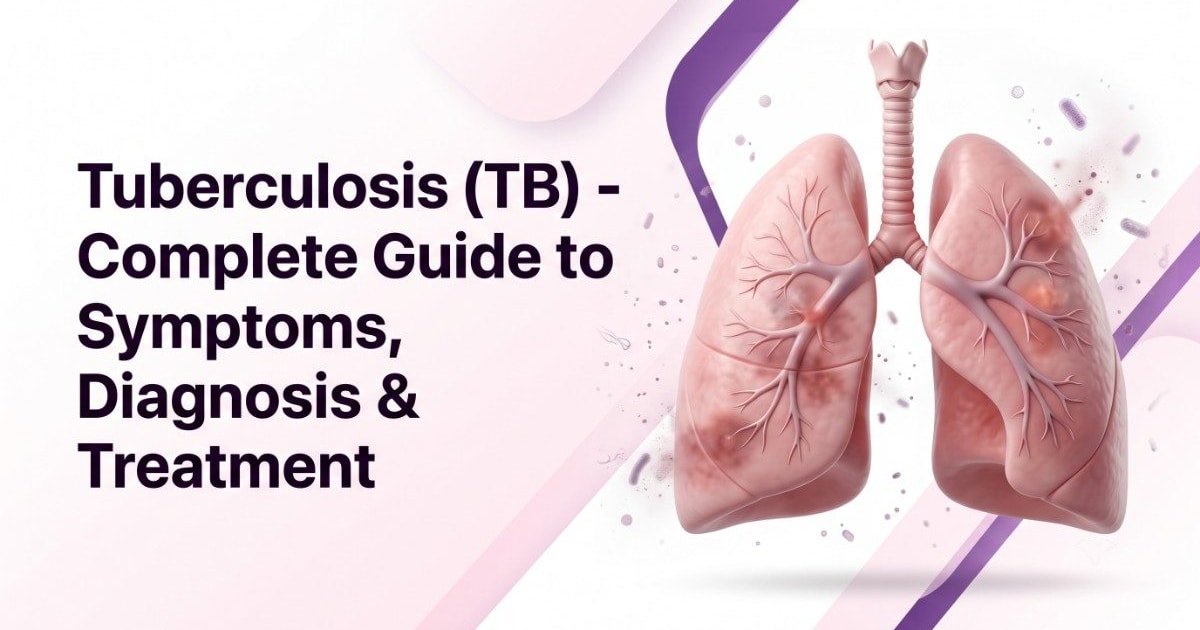
Tuberculosis, commonly known as 'TB', is an infectious disease that mainly affects the lungs but can also affect other parts of the body.
This remains an important public health concern worldwide. The good news is that TB is preventable and curable, and early diagnosis followed by complete treatment can help prevent complications and transmission.
This guide explains what tuberculosis is, its symptoms, how TB spreads, diagnosis, treatment, prevention, and what patients should know about recovery.
What is tuberculosis (TB)?
Tuberculosis is a bacterial infection caused by Mycobacterium tuberculosis. It most often affects the lungs and is known as pulmonary TB. Its infection and active TB disease are not exactly the same. Some people can carry TB bacteria without feeling sick or showing symptoms. In others, the bacteria become active and cause illness.
TB can also affect organs outside the lungs, including the kidneys, brain, spine, and other parts of the body. The symptoms can therefore vary depending on where the infection occurs.
Symptoms of TB
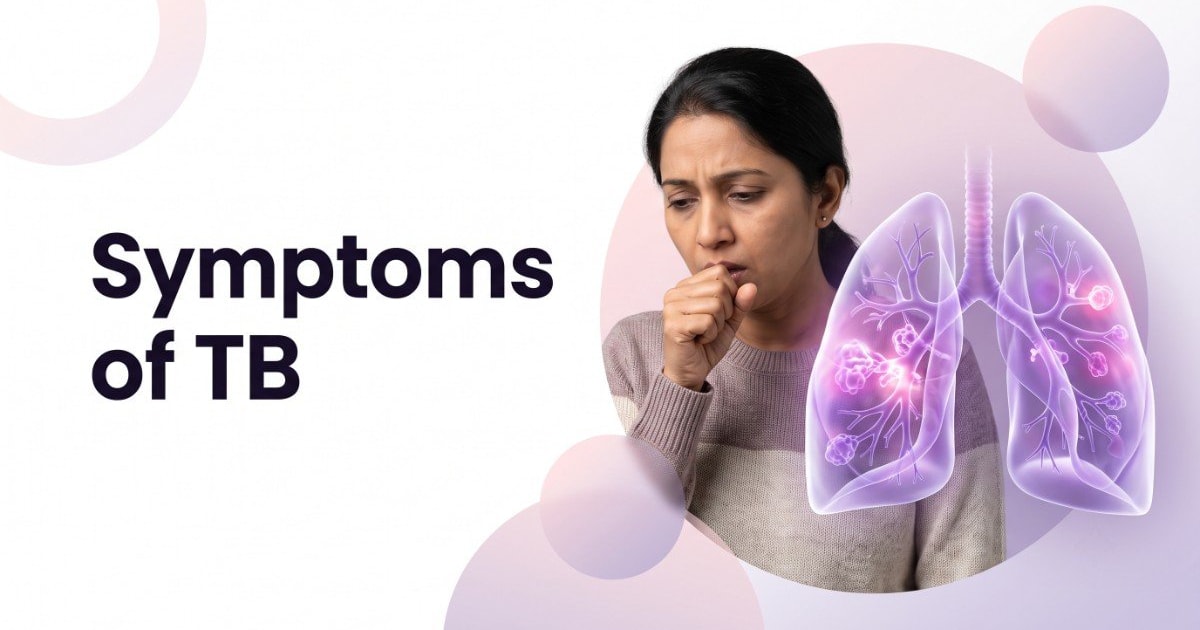
The symptoms of TB can develop gradually and may remain mild for some time. Common symptoms of pulmonary TB include:
Persistent or prolonged cough
Chest pain
Fatigue or weakness
Unexplained weight loss
Fever
Night sweats
Coughing up blood in some cases
Because symptoms can develop slowly, some people may delay seeking medical attention. This can allow the infection to progress or spread to others. Similar symptoms can also occur with other lung infections, including pneumonia, which is why proper diagnosis is important. If TB affects another organ, symptoms may be different depending on the affected area.
How Does TB Spread?

TB mainly spreads through the air when a person with infectious TB of the lungs or airways coughs, sneezes, speaks, or breathes.
Not everyone who becomes infected develops active TB disease. People with inactive TB infection generally do not have symptoms and do not spread TB.
Good ventilation, appropriate cough hygiene, timely testing, and treatment of infectious TB can help reduce transmission.
What Causes Tuberculosis?
TB is caused by the bacterium Mycobacterium tuberculosis.Certain factors can increase the risk of developing active TB after infection, including:
Weakened immunity
Undernutrition
Diabetes
Tobacco use
Certain medical conditions or treatments that weaken the immune system
Close or prolonged contact with someone who has infectious TB
TB can affect people of all ages and backgrounds.
How is TB diagnosed?
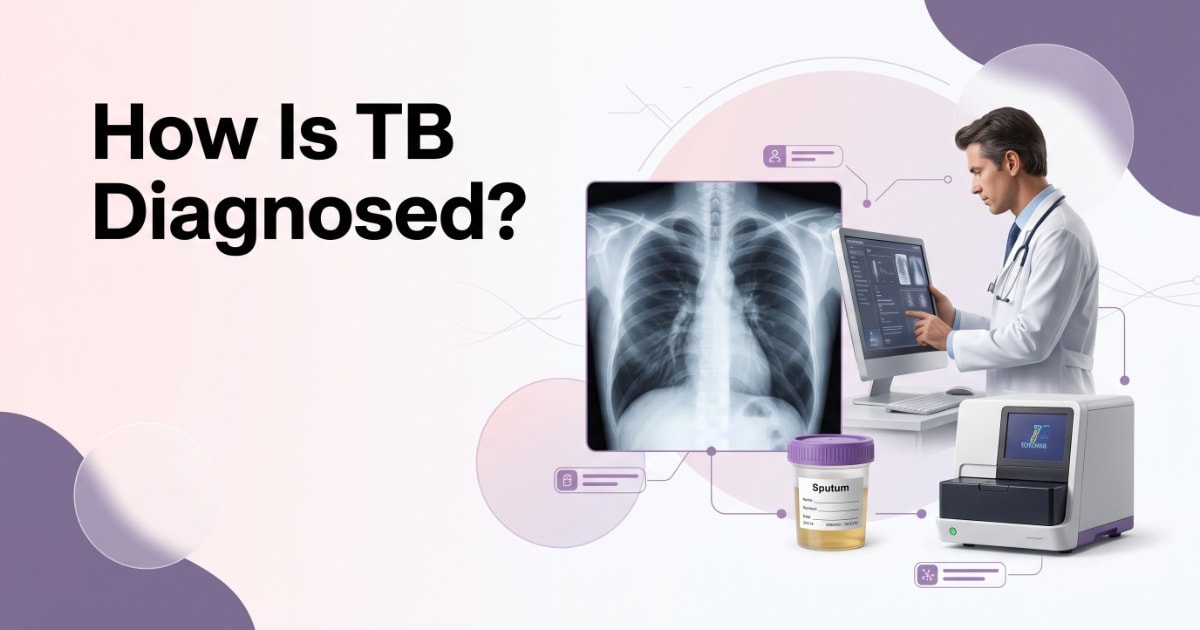
Doctors may use different tests depending on whether they suspect TB infection or active TB disease.
Sputum Test for TB
For suspected pulmonary TB, a sputum test for TB can help identify TB bacteria or their genetic material. WHO recommends rapid diagnostic tests as initial tests for people with symptoms suggestive of TB.
Chest X-Ray
A chest X-ray can help identify changes in the lungs that may be associated with TB. It is generally used alongside other clinical and laboratory information rather than as the only test.
Molecular Tests
Rapid molecular tests can detect TB and, in some cases, provide information about drug resistance. These tests can help doctors begin appropriate treatment sooner.
TB Infection Tests
Skin or blood-based tests may be used in selected people to identify TB infection. These tests are different from tests used to confirm active TB disease.
The exact combination of tests depends on the person's symptoms, age, medical history, and suspected type of TB.
What is MDR TB?
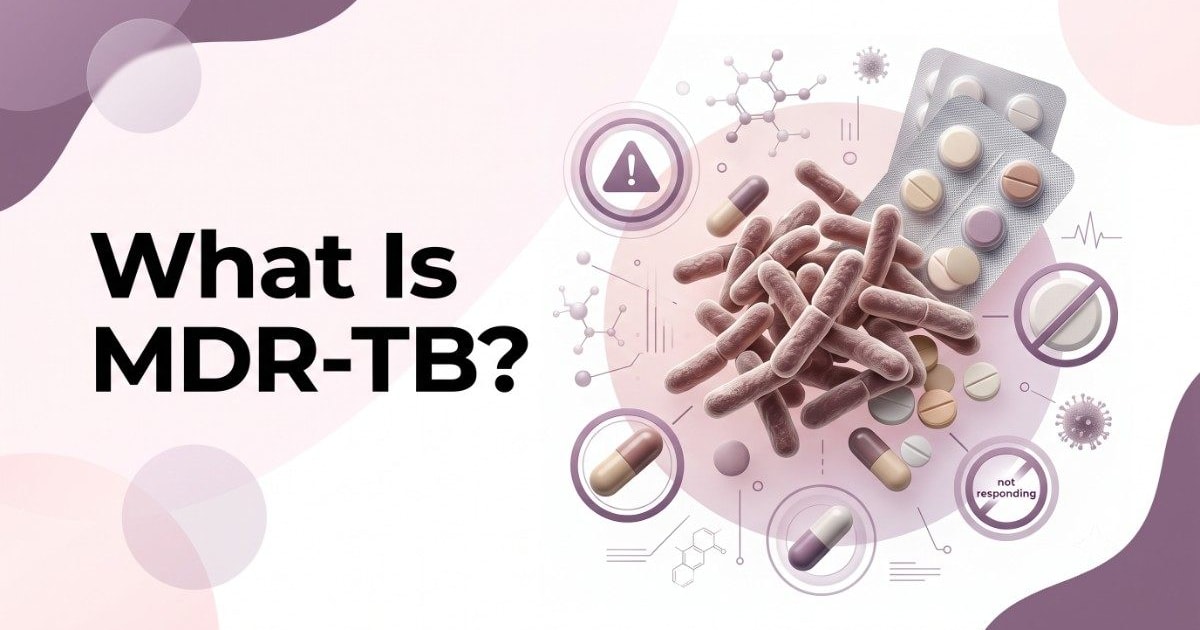
MDR TB, or multidrug-resistant tuberculosis, is a form of TB that does not respond to some of the most important standard TB medicines.
Drug resistance can make treatment more complicated and may require different medicines and a longer treatment plan. This is one reason patients should never stop TB medicines on their own or change the dose without medical advice.
Treatment of TB
TB treatment depends on whether the infection is drug-sensitive or drug-resistant and on the part of the body affected.
Drug-sensitive TB is commonly treated with a combination of antibiotics taken for several months. WHO notes that standard treatment commonly involves multiple medicines, and some treatment regimens may last around four to six months depending on the specific situation.
Complete the Treatment
Taking medicines exactly as prescribed is essential. Stopping treatment early can allow TB bacteria to survive and may contribute to drug resistance.
Drug-Resistant TB Treatment
MDR TB requires specialised treatment with medicines selected according to the resistance pattern. Treatment can be longer and more complex than treatment for drug-sensitive TB.
Patients should follow the treatment plan provided by their doctor and attend scheduled follow-ups.
TB Vaccine: BCG
The BCG vaccine is used in many countries, particularly for babies and young children. It helps protect children from severe forms of TB, although it does not provide complete protection against all forms of TB throughout life.
Vaccination policies can vary by country, so parents should follow the recommendations provided by their healthcare provider.
Can TB be prevented?
TB prevention involves reducing the chance of infection and identifying disease early.
Helpful measures include:
Seeking medical attention for prolonged cough, fever, or unexplained weight loss
Getting tested when recommended
Completing preventive treatment if prescribed
Maintaining good cough hygiene
Improving ventilation in indoor spaces
Following vaccination recommendations
Avoiding tobacco use
Early diagnosis and treatment are particularly important because treating infectious TB can help reduce transmission.
Is TB Completely Curable?
Yes, TB is curable in most cases when the appropriate treatment is taken correctly and completely. Drug-resistant TB can be more difficult to treat, but it can also be managed with specialised treatment.
The outcome depends on the type of TB, drug sensitivity, affected organs, overall health, and adherence to treatment.
When Should You See a Doctor?
You should seek medical evaluation if you have:
A persistent or prolonged cough
Unexplained weight loss
Repeated fever
Night sweats
Chest pain
Unusual fatigue or weakness
Coughing up blood
Close contact with someone diagnosed with infectious TB
These symptoms can have several possible causes. Persistent cough and breathing difficulties may also occur with chronic lung conditions such as COPD, so appropriate testing is important rather than assuming that symptoms are due to TB. Persistent cough and breathing difficulties can also occur with other respiratory conditions such as asthma, so proper medical evaluation is important.
Finding the Right TB Specialist
TB treatment often requires accurate diagnosis, appropriate medicines, and regular monitoring. Choosing an experienced specialist and a hospital with suitable diagnostic and treatment facilities can help patients navigate their treatment journey.
GetBeds helps patients discover trusted hospitals, explore hospital information, and connect with experienced specialists based on their healthcare needs.
Conclusion
Tuberculosis is a serious infectious disease, but it is preventable and curable with timely diagnosis and appropriate treatment. Recognising symptoms such as prolonged cough, fever, night sweats, fatigue, and unexplained weight loss can encourage people to seek medical evaluation sooner.
Testing is important because TB symptoms can overlap with other respiratory conditions. Once diagnosed, completing the prescribed treatment is essential for recovery and for reducing the risk of drug resistance.
If you or someone close to you has symptoms that could indicate TB, speak with a qualified healthcare professional and get the appropriate testing rather than self-diagnosing.
Frequently Asked Questions
Tuberculosis is a bacterial infection caused by Mycobacterium tuberculosis. It most commonly affects the lungs and spreads through the air when a person with infectious lung TB coughs, sneezes, speaks, or breathes.
Early symptoms can include a prolonged cough, fatigue, fever, night sweats, unexplained weight loss, and chest discomfort. Symptoms may be mild initially.
Depending on the suspected type of TB, doctors may use rapid molecular tests, sputum testing, chest X-rays, and other investigations. The choice of test depends on the person's symptoms and clinical situation.
Treatment duration depends on the type of TB and the medicines required. Drug-sensitive TB is commonly treated for several months, while drug-resistant TB may require a longer and more complex treatment plan.
Yes. TB is curable in most cases when the correct medicines are taken as prescribed and the full treatment plan is completed. Drug-resistant TB requires specialised treatment.
Disclaimer:
This blog is for informational purposes only and does not constitute scientific recommendations. Always consult a certified healthcare expert for analysis and remedies.