Share this Article
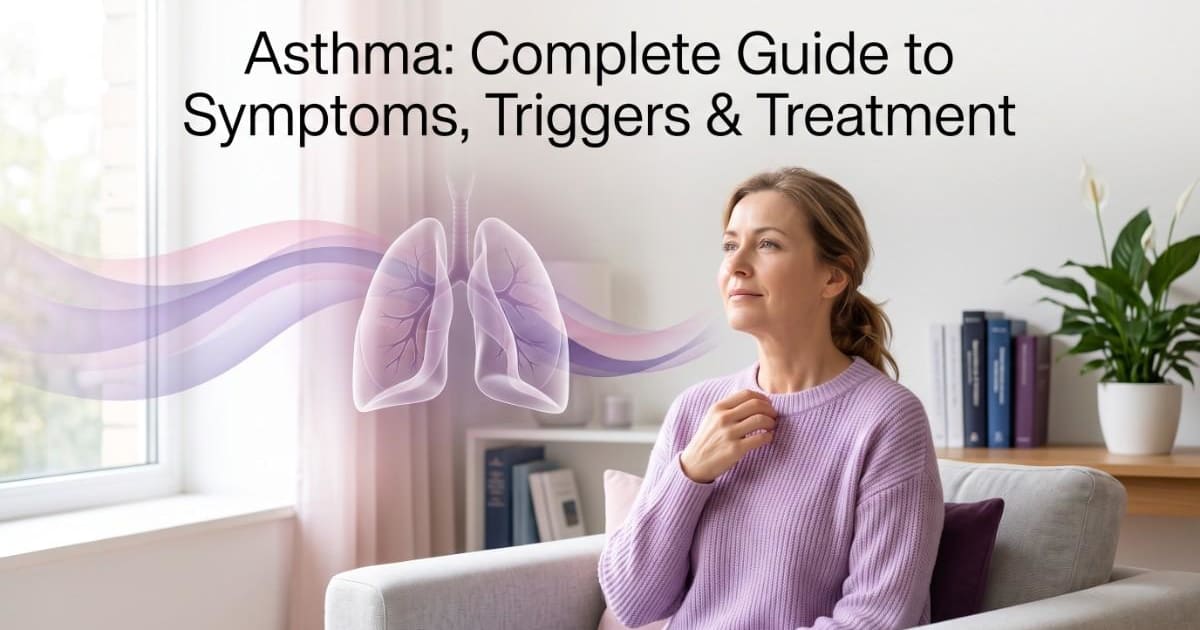
Asthma is one of the most common long-term respiratory conditions, affecting millions of children and adults worldwide. While many people associate asthma with occasional wheezing or breathlessness, it is much more than that. Without proper management, asthma can interfere with daily activities and, in severe cases, become life-threatening.
The good news is that with early diagnosis, the right medications, and avoiding known triggers, most people with asthma can lead healthy and active lives.
In this guide, we'll explain what asthma is, its symptoms, causes, common triggers, treatment options, how it differs from COPD, and what to do during an asthma attack.
What is asthma?
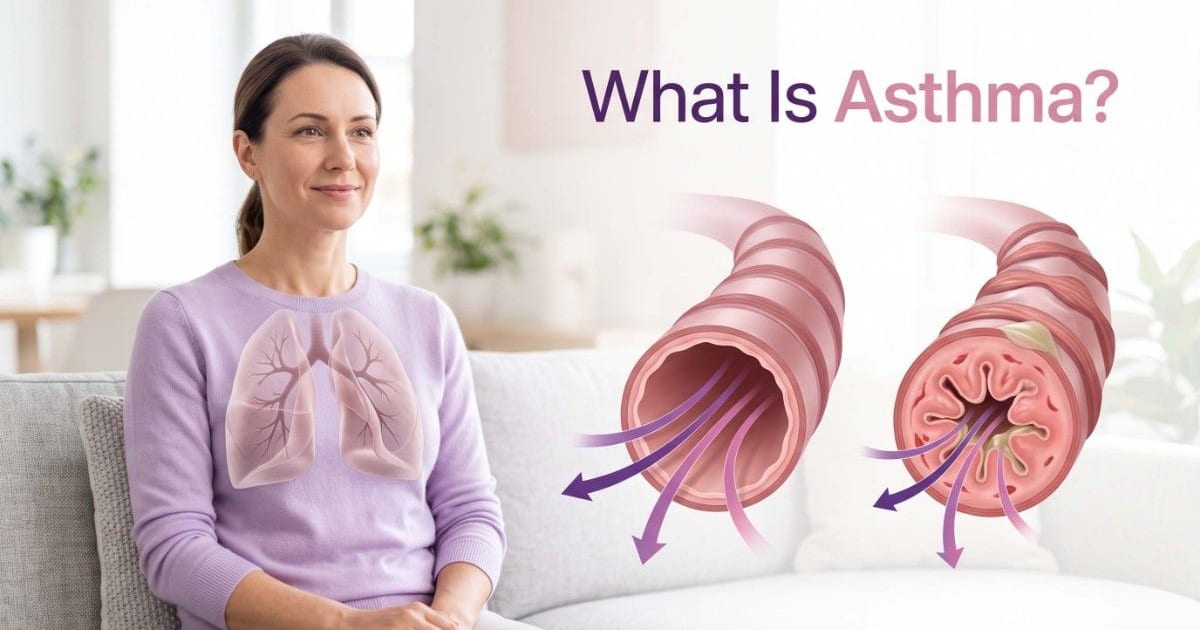
Asthma, also known as bronchial asthma, is a chronic condition in which the airways become inflamed and narrow, making it difficult for air to move in and out of the lungs.
During an asthma flare-up, the muscles surrounding the airways tighten, the airway lining becomes swollen, and extra mucus may be produced. This combination makes breathing more difficult and can cause coughing, wheezing, and chest tightness.
Asthma can affect people of all ages. Some develop it during childhood, while others may experience symptoms for the first time as adults.
Symptoms of asthma
Asthma symptoms vary from person to person. Some people experience symptoms only occasionally, while others may have them more frequently.
Common symptoms include:
Shortness of breath
Wheezing while breathing
Persistent coughing, especially at night or early morning
Chest tightness or discomfort
Difficulty breathing during exercise
Trouble sleeping due to coughing or breathlessness
Symptoms often worsen during an asthma attack, when the airways become significantly narrower and breathing becomes much more difficult.
Causes & triggers asthma
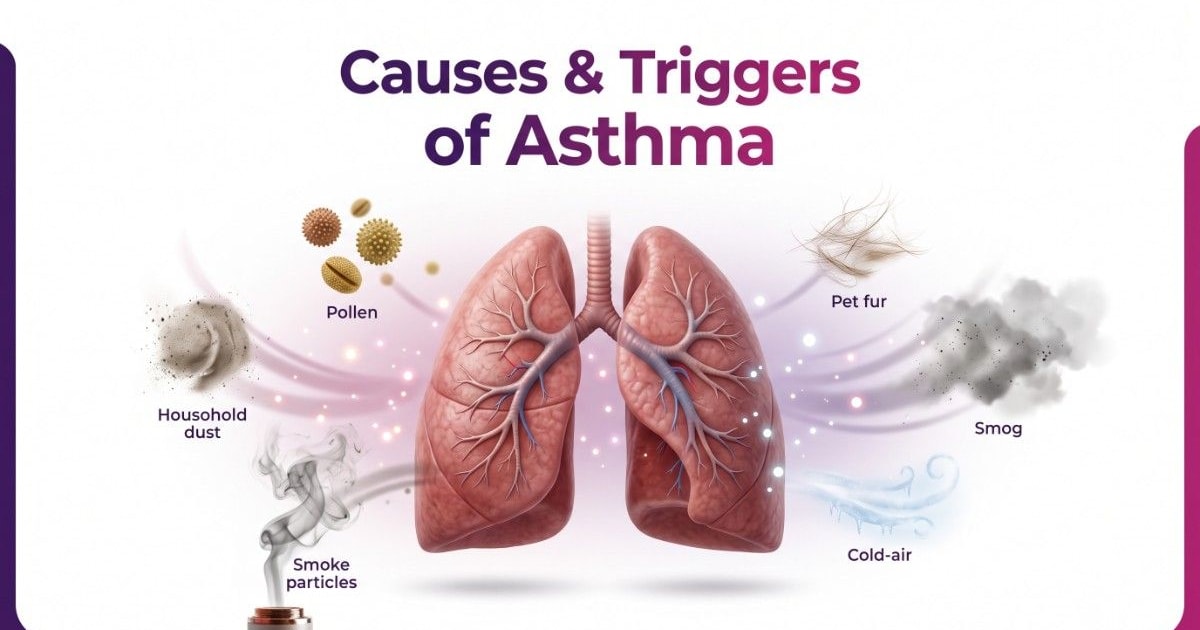
The exact cause of asthma isn't always known, but it is believed to result from a combination of genetic and environmental factors.
Several factors can trigger asthma symptoms, including:
Dust mites
Pollen
Pet dander
Mold
Cigarette smoke
Air pollution
Strong perfumes or chemical fumes
Cold air
Respiratory infections
Exercise
Stress or strong emotions
People with allergic asthma often notice symptoms after exposure to allergens such as pollen, dust, or animal fur.
Identifying and avoiding personal triggers plays an important role in preventing asthma flare-ups.
Who is at higher risk?
Some people are more likely to develop asthma than others.
Risk factors include:
Family history of asthma or allergies
Childhood allergies or eczema
Exposure to tobacco smoke
Frequent respiratory infections during childhood
Air pollution or occupational exposure to chemicals and dust
Obesity
Having one or more risk factors doesn't necessarily mean a person will develop asthma, but it may increase the likelihood.
How is asthma diagnosed?

If your doctor suspects asthma, they will review your symptoms, medical history, and possible triggers before recommending tests.
Common diagnostic tests include:
1. Spirometry
Spirometry measures how much air you can breathe in and out and helps identify narrowed airways.
2. Peak Flow Meter
A peak flow meter is a simple handheld device that measures how quickly you can blow air out of your lungs. It helps monitor asthma control and detect worsening symptoms.
3. Allergy testing
If allergic asthma is suspected, allergy tests may help identify specific triggers.
4. Chest X-ray
Although asthma itself cannot be diagnosed by an X-ray, your doctor may recommend one to rule out other lung conditions.
Early diagnosis allows treatment to begin before symptoms become difficult to control.
Treatment of Asthma
Although asthma cannot usually be cured permanently, it can often be managed successfully with the right treatment plan.
Treatment may include:
1. Asthma inhaler
An asthma inhaler is the most common treatment. Depending on your condition, your doctor may prescribe a quick-relief inhaler for sudden symptoms or a preventer inhaler to reduce long-term airway inflammation.
2. Medications
Some people may require additional medications to control inflammation or manage allergies contributing to asthma.
3. Avoiding triggers
Reducing exposure to known triggers such as smoke, dust, and allergens can significantly decrease the frequency of asthma attacks.
4. Lifestyle management
Regular physical activity, maintaining a healthy weight, getting recommended vaccinations, and following your treatment plan can all help improve asthma control.
Treatment should always be personalised based on the severity and frequency of symptoms.
Asthma vs COPD
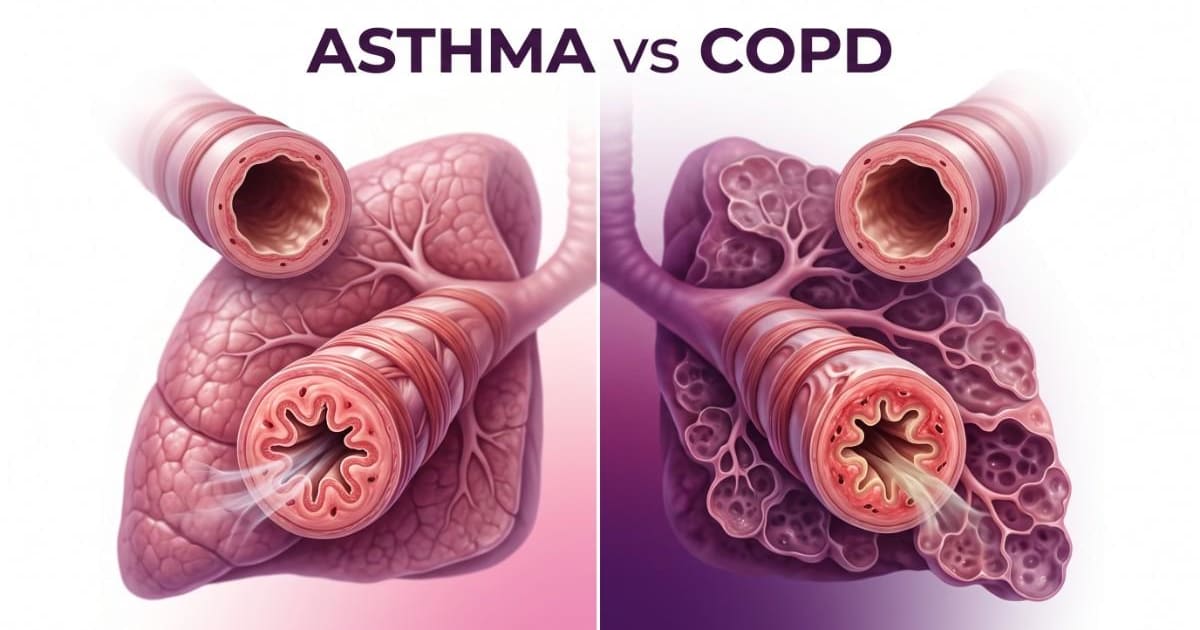
Although asthma and COPD both affect breathing, they are different conditions.
Asthma | COPD |
Often begins during childhood or early adulthood | Usually develops after the age of 40 |
Symptoms often come and go | Symptoms gradually worsen over time |
Frequently triggered by allergies or exercise | Commonly linked to smoking or long-term exposure to pollutants |
Airway narrowing is usually reversible with treatment | Airflow limitation is largely permanent |
A pulmonologist can perform the necessary tests to determine whether symptoms are caused by asthma, COPD, or another respiratory condition.
What to do during an asthma attack?
An asthma attack requires prompt attention.
If symptoms suddenly worsen:
Stay calm and sit upright.
Use your prescribed quick-relief inhaler exactly as directed.
Loosen tight clothing around the neck or chest.
Try to breathe slowly and steadily.
Seek emergency medical care immediately if symptoms do not improve, become severe, or you have difficulty speaking due to breathlessness.
Having an asthma action plan prepared with your doctor can help you respond quickly during an emergency.
Can asthma be cured permanently?
Currently, there is no permanent cure for asthma.
However, many people successfully control their symptoms with medications, trigger avoidance, and regular medical follow-up. With proper management, most individuals can work, exercise, travel, and enjoy normal daily activities.
Living with asthma
Managing asthma is an ongoing process that involves both medication and healthy lifestyle choices.
Doctors commonly recommend the following:
Take prescribed medications regularly.
Carry your rescue inhaler when advised.
Avoid known asthma triggers.
Monitor symptoms using a peak flow meter if recommended.
Exercise safely under your doctor's guidance.
Attend regular follow-up appointments.
Following your asthma management plan can reduce flare-ups and improve long-term lung health.
When should you see a doctor?
Consult a doctor if you experience:
Frequent wheezing or coughing
Shortness of breath during routine activities
Repeated asthma attacks
Symptoms that wake you up at night
Increased use of your rescue inhaler
Difficulty controlling symptoms despite treatment
Early medical evaluation can help prevent serious complications and improve asthma control.
Finding the right specialist for asthma treatment
Effective asthma management often requires regular follow-up with an experienced pulmonologist. Choosing the right specialist can help you receive an accurate diagnosis, identify your triggers, and develop a personalised treatment plan.
If you or a loved one is experiencing asthma symptoms, GetBeds helps you discover trusted hospitals, compare healthcare facilities, and connect with experienced pulmonologists to make informed treatment decisions.
Conclusion
Asthma is a manageable condition when diagnosed early and treated appropriately. Understanding your symptoms, recognising common triggers, and following your doctor's treatment plan can significantly reduce asthma attacks and improve your quality of life.
If you're experiencing persistent breathing problems, don't ignore them. Consulting a pulmonologist early can help you manage asthma effectively and continue living an active, healthy life. If you need help finding the right specialist or hospital, get in touch with the GetBeds team for assistance.
Frequently Asked Questions
Asthma is a chronic condition that causes inflammation and narrowing of the airways, making it difficult for air to move in and out of the lungs. This leads to symptoms such as wheezing, coughing, chest tightness, and shortness of breath.
Common triggers include dust, pollen, pet dander, smoke, air pollution, respiratory infections, exercise, cold air, and strong odours.
Asthma usually begins earlier in life, and symptoms often come and go. COPD generally develops later, is commonly associated with smoking, and has symptoms that gradually worsen over time.
No. Asthma cannot usually be cured permanently, but with the right treatment and trigger management, most people can control their symptoms effectively.
Use your prescribed quick-relief inhaler, remain calm, sit upright, and seek emergency medical attention if symptoms become severe or do not improve after using the inhaler.
Disclaimer:
This blog is for informational purposes only and does not constitute scientific recommendations. Always consult a certified healthcare expert for analysis and remedies.