Share this Article
Living with a persistent cough or finding yourself out of breath after climbing a few stairs isn't always a normal part of ageing. Sometimes, these symptoms point to a long-term lung condition called 'Chronic Obstructive Pulmonary Disease' (COPD). While COPD cannot be reversed, early diagnosis and the right treatment can help slow its progression, reduce symptoms, and improve quality of life.
In this guide, we'll explain what COPD disease is, its symptoms, causes, stages, diagnosis, treatment options, and when to seek medical care.
What is COPD disease?
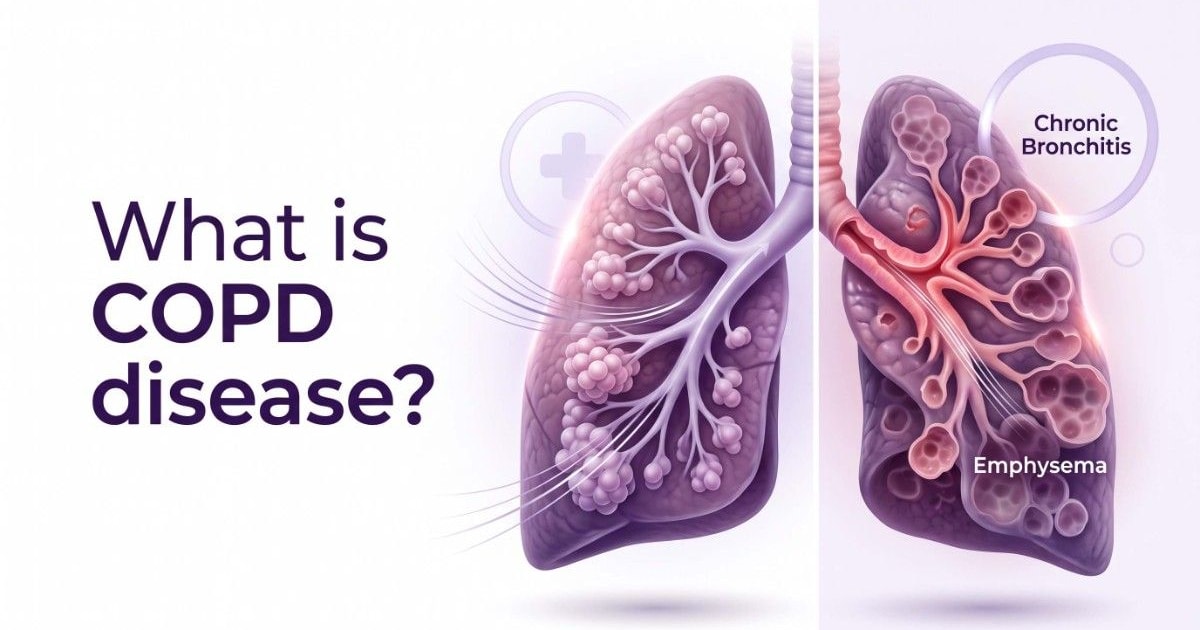
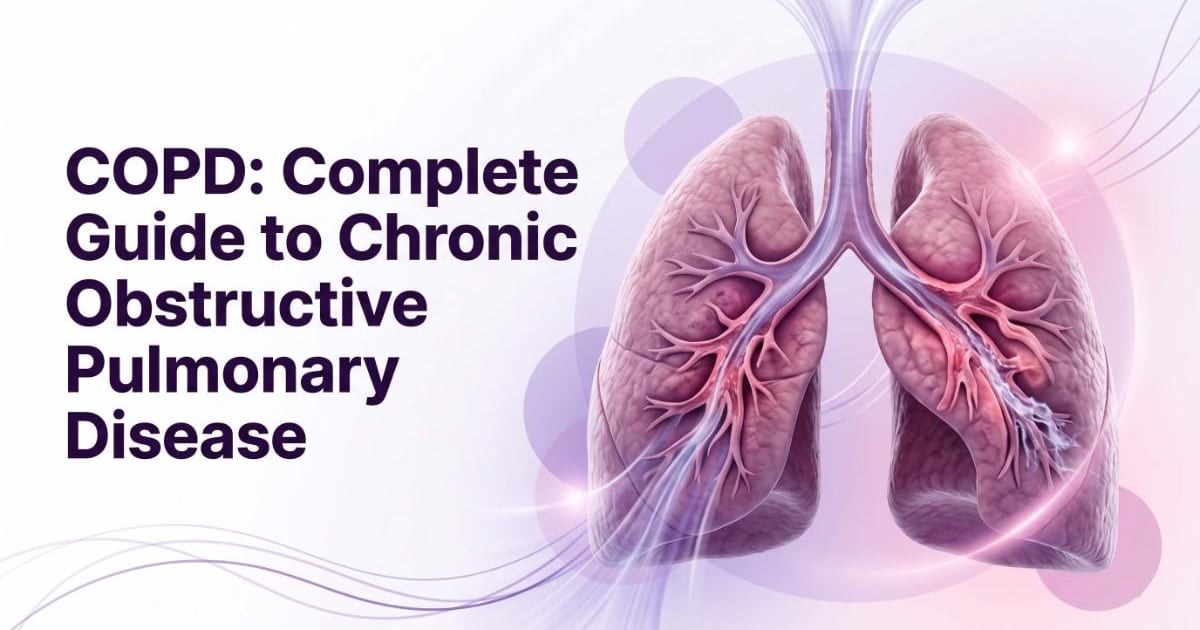
Chronic Obstructive Pulmonary Disease (COPD) is a long-term lung disease that blocks airflow and makes breathing difficult. It develops gradually over time and is most commonly linked to long-term exposure to cigarette smoke, air pollution, or harmful dust and chemicals.
COPD mainly includes two lung conditions:
Chronic Bronchitis: Long-term inflammation of the airways that causes excessive mucus production and a persistent cough.
Emphysema: Damage to the tiny air sacs (alveoli) in the lungs, making it harder for oxygen to enter the bloodstream.
Many people with COPD have features of both conditions. While the disease tends to worsen over time, timely treatment can help manage symptoms and reduce complications.
Symptoms of COPD
Early COPD symptoms are often mild and may be mistaken for ageing, lack of fitness, or seasonal allergies. As lung damage progresses, symptoms become more noticeable.
Common symptoms include:
Persistent cough with mucus
Shortness of breath, especially during physical activity
Wheezing while breathing
Chest tightness
Constant fatigue
Frequent chest infections
Difficulty performing everyday activities due to breathlessness
In advanced stages, some people may also experience swelling in the ankles or feet, unintended weight loss, or worsening breathing problems during flare-ups.
Causes of COPD
The causes of COPD usually involve long-term exposure to substances that damage the lungs.
Some of the most common causes include:
Cigarette smoking
Exposure to second-hand smoke
Long-term exposure to air pollution
Dust and chemical fumes at the workplace
Indoor smoke from biomass fuels in poorly ventilated homes
Rare genetic conditions such as alpha-1 antitrypsin deficiency
Although smoking remains the leading cause, COPD can also develop in people who have never smoked, particularly those with prolonged exposure to environmental pollutants.
Who is at Higher Risk?
Certain factors increase the likelihood of developing COPD:
Adults over 40 years of age
Current or former smokers
People exposed to industrial dust or chemical fumes
Individuals regularly exposed to indoor or outdoor air pollution
Those with a family history of certain inherited lung conditions
People with repeated respiratory infections during childhood
Knowing these risk factors can help identify the disease before significant lung damage occurs.
What are the 4 stages of COPD?
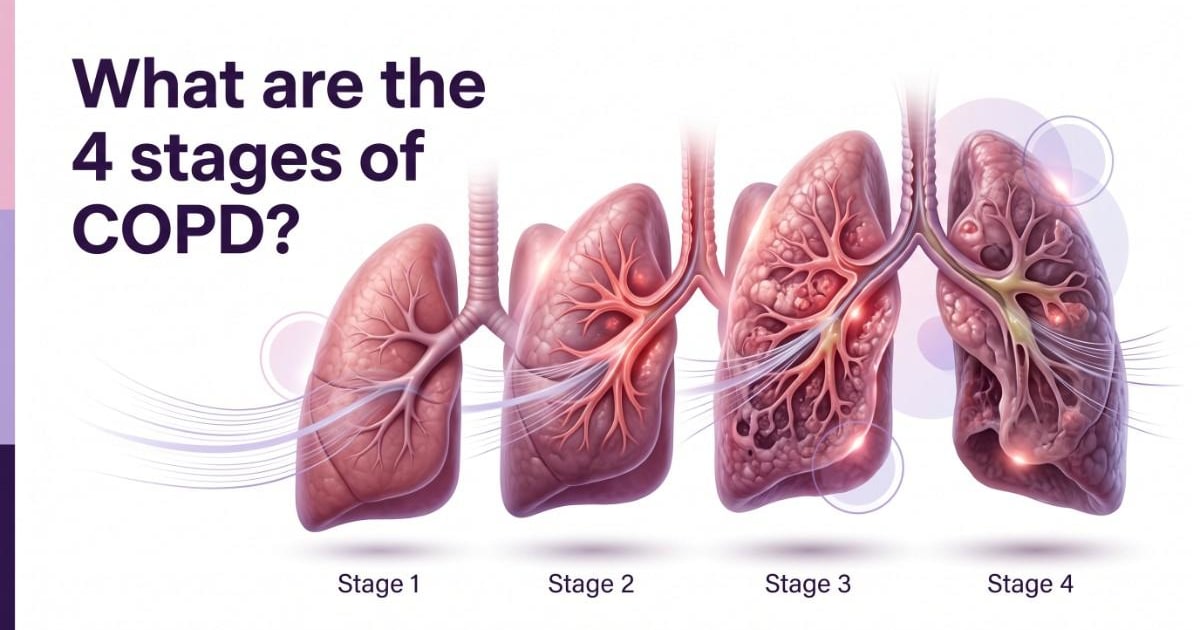
Doctors classify COPD into four stages based on how much airflow is reduced, usually measured using a spirometry test.
Stage 1: Mild COPD
Symptoms are minimal and may include an occasional cough or mild breathlessness. Many people remain undiagnosed at this stage.
Stage 2: Moderate COPD
Shortness of breath becomes more noticeable during daily activities. Cough and mucus production often increase.
Stage 3: Severe COPD
Breathing becomes significantly more difficult. Frequent flare-ups, reduced exercise capacity, and fatigue begin affecting everyday life.
Stage 4: Very Severe COPD
Airflow limitation becomes severe, and patients may develop respiratory failure or require oxygen therapy. Daily activities become challenging without ongoing medical care.
Early diagnosis during the first two stages offers the best chance of slowing disease progression.
How is COPD diagnosed?
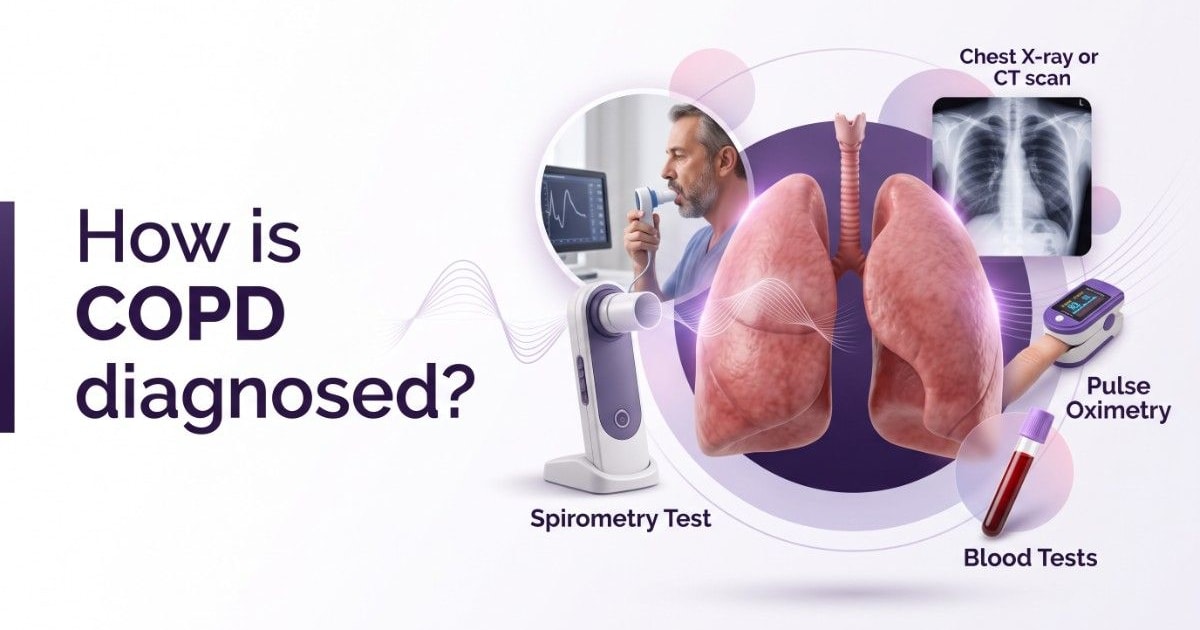
If COPD is suspected, your doctor will review your symptoms, smoking history, and exposure to environmental pollutants before recommending tests.
Common diagnostic tests include:
1. Spirometry Test
The spirometry test is the most important test for confirming COPD. It measures how much air you can breathe out and how quickly you can exhale.
2. Chest X-ray or CT scan
Imaging tests help identify lung damage, emphysema, or other conditions causing breathing difficulties.
3. Pulse Oximetry
A small sensor placed on the finger measures oxygen levels in the blood.
4. Blood Tests
These may be recommended to rule out other conditions or identify inherited causes of COPD in selected patients.
Early diagnosis allows treatment to begin before severe lung damage develops.
Treatment of COPD
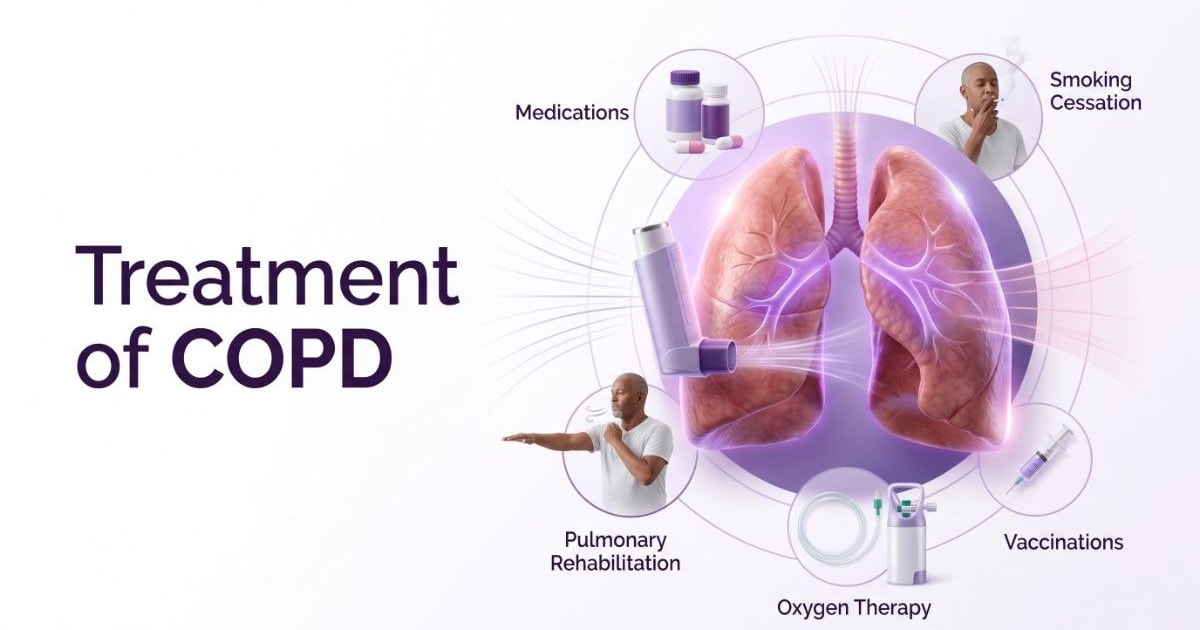
Although there is no permanent cure for COPD, the right treatment can help control symptoms, reduce flare-ups, and improve quality of life.
A treatment plan may include:
Medications
Doctors commonly prescribe inhalers to help open the airways and reduce inflammation. During flare-ups, additional medications such as corticosteroids or antibiotics may be recommended if an infection is present.
Smoking cessation
If you smoke, quitting is the most effective step to slow the progression of COPD. Avoiding second-hand smoke and other lung irritants is equally important.
Pulmonary rehabilitation
Pulmonary rehabilitation combines supervised exercise, breathing techniques, nutritional advice, and education to improve lung function and make daily activities easier.
Oxygen therapy
Patients with low oxygen levels may require supplemental oxygen to help maintain adequate oxygen in the body.
Vaccinations
Annual flu vaccines and pneumococcal vaccines help reduce the risk of serious respiratory infections, which can worsen COPD.
Treatment varies from person to person, so your pulmonologist will recommend a plan based on the severity of your condition and overall health.
Can COPD be cured?
No. COPD cannot be cured because the damage to the lungs is permanent.
However, early diagnosis and appropriate treatment can significantly slow disease progression, reduce symptoms, improve breathing, and lower the risk of complications. Many people with COPD continue to lead active and fulfilling lives by following their treatment plan and making healthy lifestyle changes.
Living with COPD
Managing COPD involves more than taking medication. Daily habits play an important role in protecting lung function.
Doctors often recommend the following:
Quit smoking completely.
Stay physically active with exercises approved by your doctor.
Avoid exposure to dust, smoke, and air pollution whenever possible.
Eat a balanced diet to maintain a healthy weight.
Take medications exactly as prescribed.
Attend regular follow-up appointments.
Learn to recognise flare-ups and seek medical advice early.
Small lifestyle changes can make a significant difference in managing symptoms over time.
When should you see a doctor?
You should consult a doctor if you experience:
A cough lasting several weeks
Persistent shortness of breath
Wheezing that keeps returning
Frequent chest infections
Increased mucus production
Symptoms that interfere with your daily activities
Early medical evaluation can help identify COPD before severe lung damage develops.
Finding the right specialist for COPD treatment
COPD requires long-term management and regular follow-up with an experienced pulmonologist. Choosing the right hospital and specialist can help ensure timely diagnosis, personalised treatment, pulmonary rehabilitation, and ongoing monitoring.
If you or a loved one is experiencing symptoms of COPD, GetBeds helps you discover trusted hospitals, compare healthcare facilities, and connect with experienced pulmonologists to make informed treatment decisions.
Conclusion
COPD is a progressive lung disease, but it doesn't have to define your life. Recognising the symptoms early, identifying the underlying cause, and starting treatment at the right time can help slow disease progression and improve everyday breathing.
Whether symptoms are mild or advanced, consulting a pulmonologist is the first step towards effective management. With the right care plan, healthy lifestyle changes, and regular follow-up, many people with COPD continue to live active and fulfilling lives.
If you need help finding the right specialist or hospital for COPD care, get in touch with the GetBeds team for assistance with your healthcare journey.
Frequently Asked Questions
COPD is a chronic lung disease that restricts airflow by damaging the airways and air sacs in the lungs. Over time, it becomes harder to breathe and perform everyday activities.
Early symptoms include a persistent cough, shortness of breath during activity, wheezing, chest tightness, increased mucus production, and constant fatigue.
COPD is classified into four stages: Mild, Moderate, Severe, and Very Severe. The stages are determined using a spirometry test that measures lung function.
No. COPD cannot be cured, but early diagnosis, medications, pulmonary rehabilitation, smoking cessation, and lifestyle changes can effectively manage symptoms and slow disease progression.
Life expectancy varies depending on the stage of COPD, overall health, smoking status, and how well the condition is managed. Early diagnosis and consistent treatment can improve both quality of life and long-term outcomes.
Disclaimer:
This blog is for informational purposes only and does not constitute scientific recommendations. Always consult a certified healthcare expert for analysis and remedies