Share this Article
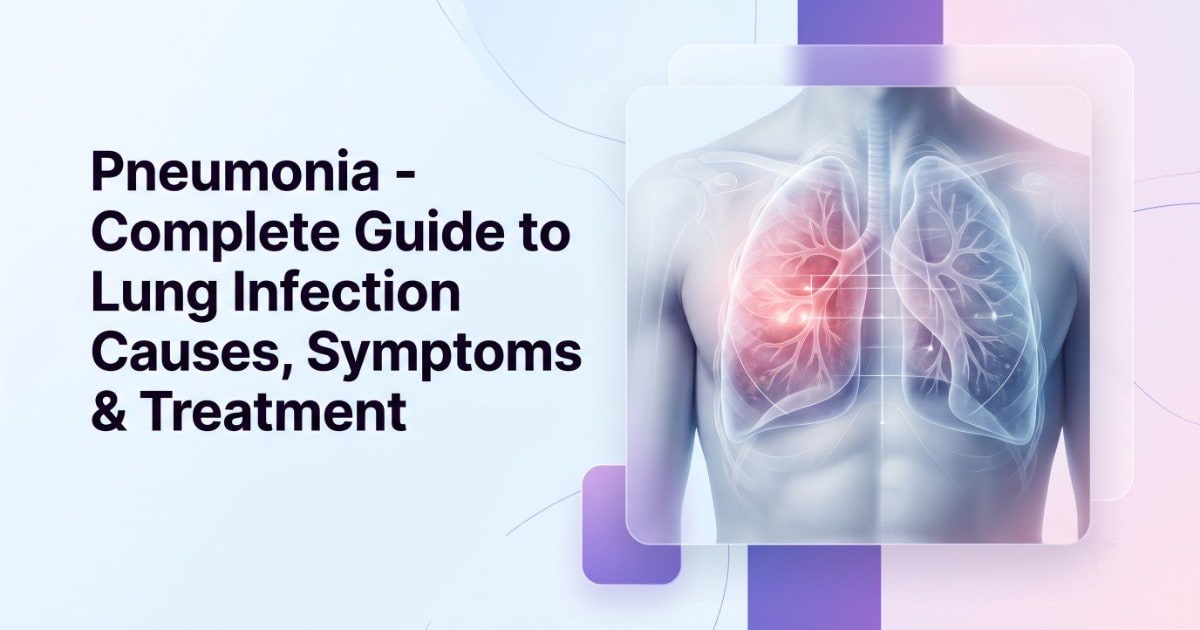
Pneumonia is a lung infection that can affect people of any age, but it can become particularly serious for young children, older adults, and people with existing health conditions. It occurs when the air sacs in the lungs become inflamed and may fill with fluid or pus, making breathing difficult. Pneumonia can develop suddenly or gradually, depending on its cause and the person's overall health. Early recognition of symptoms and timely medical care can reduce the risk of complications.
This guide explains what pneumonia is, its symptoms, causes, diagnosis, treatment, prevention, and when medical attention may be necessary.
What is pneumonia?
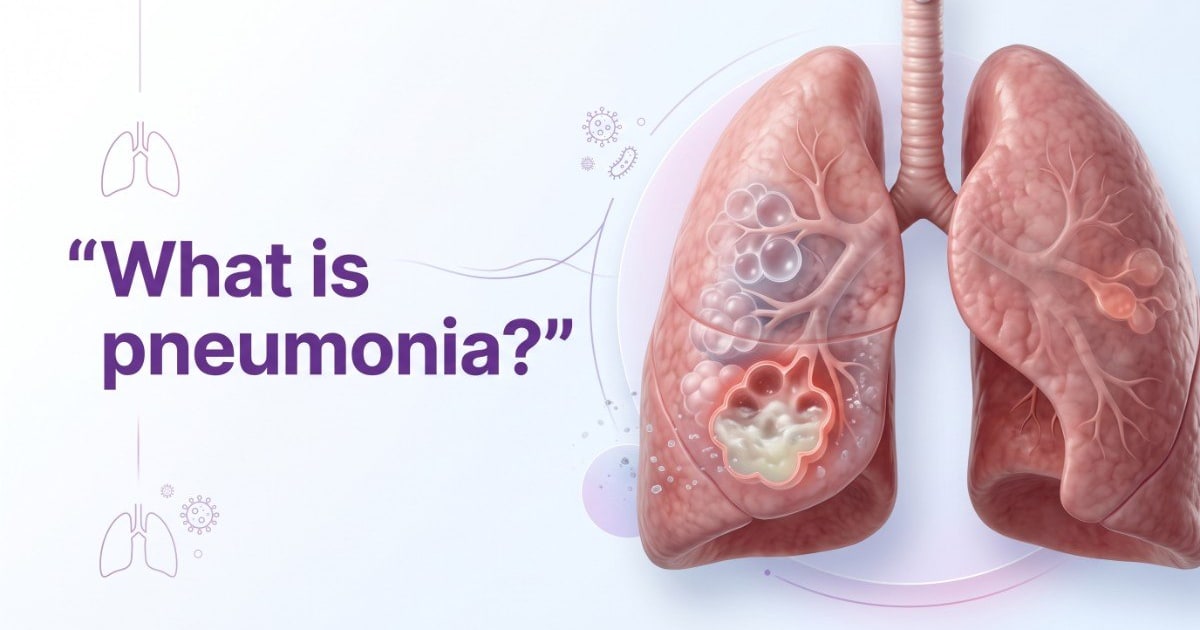
Pneumonia is an infection that affects one or both lungs. The tiny air sacs inside the lungs, called alveoli, normally fill with air during breathing. During pneumonia, these air sacs can become inflamed and fill with fluid or pus, which can interfere with normal oxygen exchange.
Pneumonia can be caused by different infectious organisms, most commonly bacteria and viruses. Fungal infections can also cause pneumonia in some people. The severity can range from mild illness that improves with treatment and rest to a serious infection requiring hospital care.
Symptoms of pneumonia
The symptoms of pneumonia can vary depending on the cause, age, and severity of the infection. Common symptoms include:
Cough, sometimes with mucus
Fever
Chills or sweating
Shortness of breath
Chest pain, especially while coughing or breathing deeply
Fatigue and weakness
Nausea, vomiting, or diarrhoea in some cases
Older adults may not always develop a high fever. Instead, they may experience weakness, confusion, or changes in their usual alertness. In children, symptoms may include cough, fever, fast breathing, difficulty breathing, reduced feeding, or unusual tiredness. Severe cases can cause difficulty drinking or feeding and require urgent medical care.
What Causes Pneumonia?
The causes of pneumonia can vary. The infection may develop when harmful organisms reach the lungs and trigger inflammation.
1. Bacterial Pneumonia
Bacteria are a common cause of pneumonia. Streptococcus pneumoniae is one of the important bacterial causes, particularly in children. Bacterial pneumonia may cause fever, cough, chills, and breathing difficulties.
2. Viral Pneumonia
Viruses can also cause pneumonia. Respiratory viruses, including influenza and respiratory syncytial virus (RSV), are among the viruses associated with pneumonia.
3. Fungal Pneumonia
Fungal infections can cause pneumonia, particularly in people with weakened immune systems or certain underlying health conditions. Because different organisms can cause pneumonia, identifying the likely cause is important before deciding on treatment.
How Does Pneumonia Spread?
Pneumonia itself is not caused by one single germ, so the way it spreads depends on the infection responsible for it. Some bacteria and viruses that cause pneumonia can spread through respiratory droplets or close contact. Good hand hygiene, covering coughs and sneezes, and avoiding close contact when unwell can help reduce the spread of respiratory infections.
Who is at higher risk of pneumonia?
Although pneumonia can affect anyone, some people have a higher risk of developing severe infection. These include:
Children, particularly infants and young children
Adults over 65
People with chronic heart or lung conditions
People with weakened immune systems
People who smoke
People exposed to indoor air pollution
People with poor nutritional status
In children, malnutrition, lack of breastfeeding, certain infections, and exposure to household smoke can increase the risk of pneumonia.
How is pneumonia diagnosed?
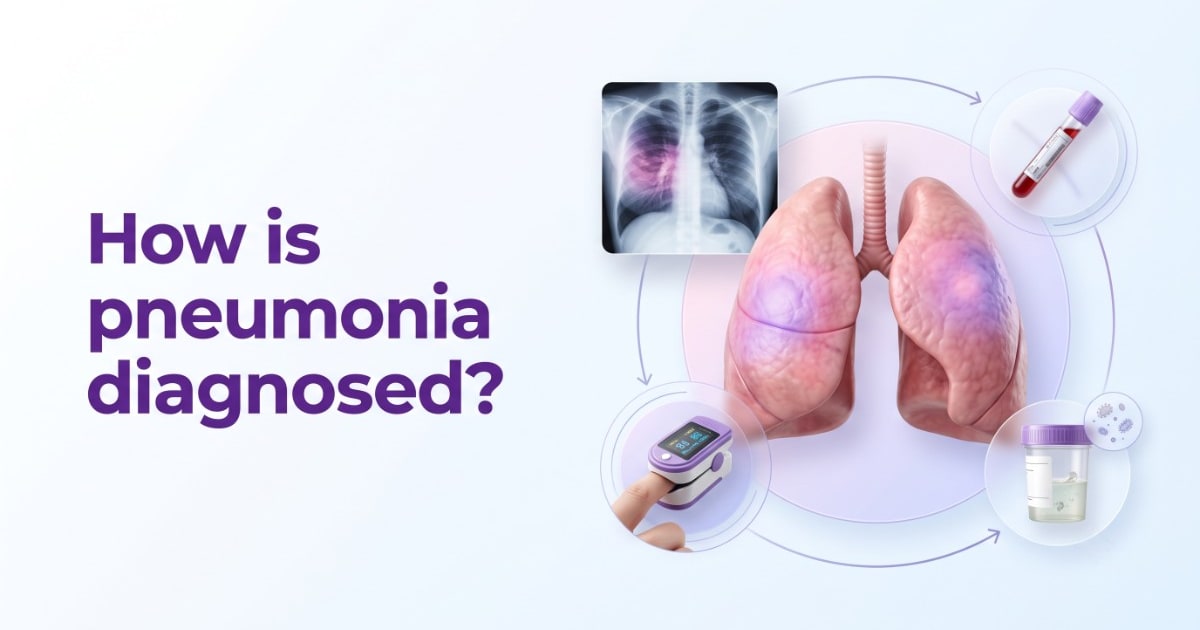
A doctor usually begins with a physical examination and asks about symptoms, medical history, and recent infections. Depending on the situation, tests may include the following:
1. Chest X-Ray
A chest X-ray for pneumonia can help identify areas of infection or inflammation in the lungs.
2. Blood Tests
Blood tests may help identify signs of infection and assess the person's overall condition.
3. Oxygen Level Check
A pulse oximeter can measure oxygen saturation and help determine whether the lungs are supplying enough oxygen to the body.
4. Sputum Testing
If needed, a sample of mucus from the lungs may be tested to help identify the organism causing the infection.
Not every person with suspected pneumonia requires every test. The doctor decides which investigations are appropriate based on symptoms and severity.
How is pneumonia treated?
Pneumonia treatment depends mainly on its cause and severity.
1. Antibiotics
Bacterial pneumonia may require antibiotics prescribed by a doctor. Antibiotics do not treat viral infections, so they should not be taken without medical advice.
2. Rest and Fluids
People with mild pneumonia may be advised to rest, stay hydrated, and follow the treatment prescribed by their doctor.
3. Oxygen Support
People with low oxygen levels or severe pneumonia may require oxygen therapy and hospital monitoring.
4. Hospital Treatment
Severe pneumonia may require hospitalisation, particularly when there is significant breathing difficulty, low oxygen levels, or other complications.
Treatment should always be based on medical evaluation rather than symptoms alone.
Pneumonia in children
Pneumonia in children requires particular attention because young children can become seriously ill more quickly. Parents should watch for signs such as the following:
Fast or difficult breathing
Persistent cough
Fever
Difficulty feeding or drinking
Unusual sleepiness or weakness
Chest pulling inward while breathing
A child who has severe breathing difficulty, cannot drink or feed, or becomes unusually sleepy should receive urgent medical attention.
Is Pneumonia Dangerous for Children and the Elderly?
Pneumonia can become serious at both ends of the age spectrum. Young children have developing immune systems, while older adults may have reduced immunity or existing conditions that make it harder to recover from infection. Older adults may also show less typical symptoms, making early evaluation particularly important. However, the severity of pneumonia varies from person to person. Early diagnosis and appropriate treatment can significantly improve outcomes.
Can Pneumonia Be Prevented?
Some forms of pneumonia can be prevented or their risk reduced through vaccination and healthy habits. Doctors may recommend vaccines against infections such as pneumococcus and influenza depending on age, health status, and local recommendations. Good hand hygiene, avoiding smoking, reducing exposure to indoor air pollution, and maintaining adequate nutrition can also support respiratory health.
When Should You See a Doctor?
Seek medical evaluation if you develop:
Persistent cough with fever
Increasing shortness of breath
Chest pain while breathing
High or persistent fever
Severe weakness
Confusion or unusual sleepiness
Breathing difficulty in a child
Persistent breathing symptoms can sometimes overlap with other respiratory conditions such as asthma, so proper medical evaluation is important. Breathing difficulty or rapidly worsening symptoms require prompt medical attention.
Finding the Right Specialist for Pneumonia
Most cases of pneumonia can be managed with appropriate medical treatment, but complicated or severe cases may require specialist care and hospital support. GetBeds helps patients discover trusted hospitals, explore hospital information, and connect with experienced specialists based on their healthcare needs.
Conclusion
Pneumonia is a common but potentially serious lung infection. Understanding its symptoms, causes, and risk factors can help people seek medical attention at the right time.
While mild cases may improve with appropriate treatment and care, severe pneumonia can require hospitalisation and respiratory support. Children, older adults, and people with underlying health conditions should receive particular attention when symptoms appear.
If you or someone in your family develops persistent cough, fever, chest pain, or breathing difficulty, speak with a healthcare professional rather than trying to diagnose the cause yourself. If you need help finding the right specialist or hospital, get in touch with the GetBeds team for assistance.
Frequently Asked Questions
Pneumonia is an infection that causes inflammation in the lungs and may fill the air sacs with fluid or pus. The bacteria and viruses that cause pneumonia can spread in different ways, including through respiratory droplets and close contact, depending on the organism.
Common symptoms include cough, fever, chills, shortness of breath, chest pain, fatigue, and weakness. Some people may also experience nausea, vomiting, or diarrhoea.
Pneumonia can be caused by bacteria, viruses, or fungi. The specific cause can vary depending on a person's age, health, and other risk factors.
Treatment depends on the cause and severity. Bacterial pneumonia may require antibiotics, while supportive care such as rest, fluids, and oxygen may be needed depending on the patient's condition.
Pneumonia can be more serious in young children and older adults, especially when they have other health conditions or weakened immunity. Early medical evaluation is important when symptoms appear.
Disclaimer:
This blog is for informational purposes only and does not constitute scientific recommendations. Always consult a certified healthcare expert for analysis and remedies.