Share this Article
Being told that there is fluid around your lungs can sound worrying, especially when you are already experiencing symptoms such as breathlessness, chest discomfort, or a persistent cough. This condition is known as pleural effusion, and it happens when excess fluid collects in the space between the lungs and the chest wall.
Pleural effusion is not a disease by itself. Instead, it can develop because of an underlying health condition, which is why finding the cause is an important part of treatment. In some cases, the fluid may need to be drained, while in others, treating the underlying condition may help manage the problem.
This guide explains what pleural effusion is, its symptoms and causes, how it is diagnosed, and the treatment options that may be recommended.
What is pleural effusion?
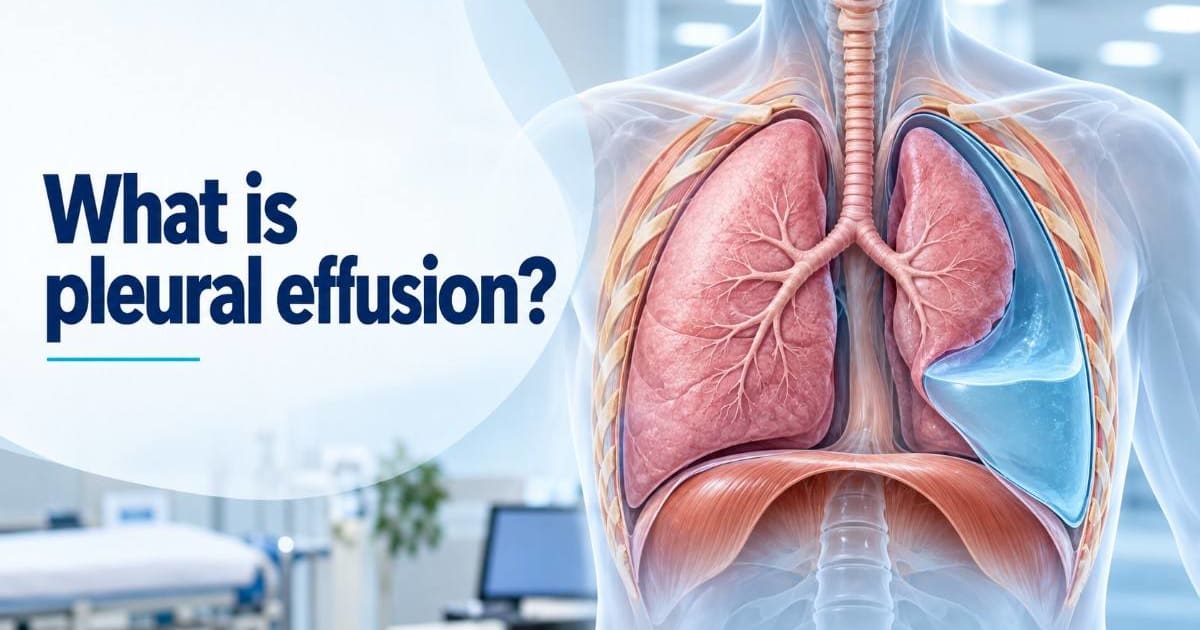
Pleural effusion refers to an abnormal buildup of fluid in the pleural space, which is the thin space between the lungs and the inner chest wall.
A small amount of fluid is normally present in this space. It helps the lungs move smoothly while breathing. However, when too much fluid builds up, it can put pressure on the lungs and make it difficult to breathe comfortably.
Pleural effusion is sometimes commonly described as fluid around the lungs or water in the lungs, although it is important to understand that the fluid is outside the lungs rather than inside the lung tissue itself.
The severity of pleural effusion can vary. Some people may have a small amount of fluid and no noticeable symptoms, while a larger buildup can cause significant breathing problems and require medical treatment.
Symptoms of pleural effusion

The symptoms of pleural effusion can depend on how much fluid has collected and what underlying condition is causing it.
Some people may not experience symptoms, particularly when the fluid buildup is small. Larger pleural effusions may cause noticeable discomfort or breathing difficulties.
Common pleural effusion symptoms may include:
Shortness of breath
Chest pain or discomfort
A dry cough
Difficulty taking deep breaths
Feeling unusually tired
Fever in some cases
Chest pain associated with pleural irritation may become worse while taking a deep breath or coughing.
Because these symptoms can also occur with several other heart and lung conditions, they should not be ignored, especially when breathlessness develops suddenly or becomes severe.
Causes of pleural effusion
Pleural effusion can develop for several different reasons. The fluid may build up because the body is producing too much fluid, not absorbing enough of it, or because inflammation, infection, or another medical condition is affecting the pleural space.
Some common causes of pleural effusion include heart failure, pneumonia and other infections, kidney disease, liver disease, cancer, and certain inflammatory conditions.
The cause of the fluid buildup plays an important role in determining the most appropriate treatment.
Transudate vs exudate pleural effusion
Pleural fluid is often classified into two broad categories: transudate and exudate.
A transudative pleural effusion usually develops because of changes in pressure within blood vessels or changes in the body's fluid balance. Conditions such as heart failure, liver disease, and kidney problems may contribute to this type of fluid buildup.
An exudative pleural effusion is more commonly linked to inflammation or damage affecting the pleura. It may occur because of infections, cancer, inflammatory conditions, or certain lung-related diseases.
Testing the pleural fluid can help doctors understand which type of effusion is present and investigate the possible cause.
Fluid around the lungs and breathing problems
When excess fluid collects around the lungs, it can prevent them from expanding fully.
As the amount of fluid increases, the lungs may have less space to expand during breathing. This can lead to shortness of breath, particularly during physical activity.
A person may initially notice that activities they previously performed comfortably, such as walking or climbing stairs, now leave them feeling breathless.
In more significant cases, breathing may become uncomfortable even while resting.
The severity of breathing difficulty does not always depend only on the amount of fluid present. The person's overall lung health, heart function, and underlying medical condition can also affect how strongly they experience symptoms.
Diagnosis of pleural effusion
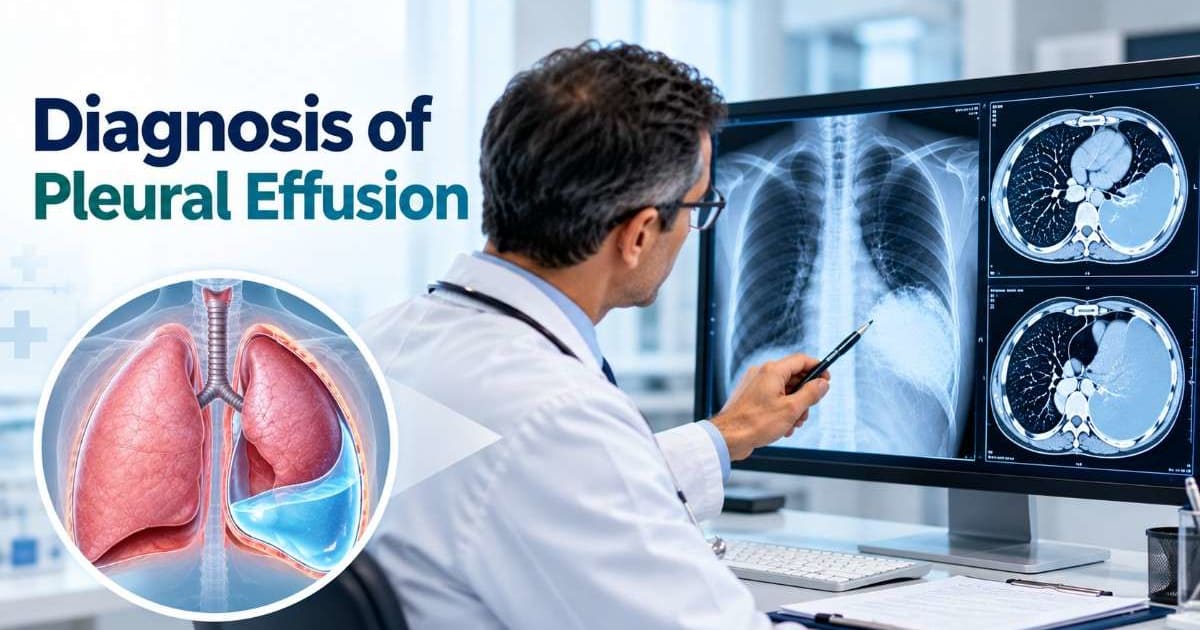
Diagnosing pleural effusion usually begins with a medical evaluation and imaging tests.
A doctor may ask about symptoms such as breathlessness, chest pain, coughing, fever, recent infections, and existing heart, kidney, or lung conditions.
The doctor may then recommend tests to confirm whether fluid is present around the lungs and investigate why it has developed.
Chest x-ray for pleural effusion
A chest X-ray is commonly used to identify fluid around the lungs.
It can help doctors detect the presence of pleural effusion and estimate how much fluid may be present. However, additional imaging may sometimes be needed to get a clearer view.
Ultrasound and CT scan
A chest ultrasound can help identify and locate pleural fluid. It may also be used to guide procedures when fluid needs to be removed.
A CT scan may provide more detailed images of the chest and surrounding structures. It can help doctors investigate possible causes of the pleural effusion and identify other abnormalities that may require further evaluation.
Thoracentesis
Thoracentesis is a procedure in which a doctor uses a needle or catheter to remove fluid from the pleural space.
The procedure may be performed for two main reasons. It can help relieve symptoms caused by a large fluid buildup, and the collected fluid can also be sent for laboratory testing.
Analysing the fluid may help doctors identify signs of infection, inflammation, cancer, or other underlying causes.
Treatment of pleural effusion
Pleural effusion treatment depends primarily on the underlying cause, the amount of fluid present, and the symptoms a person is experiencing.
A small pleural effusion may sometimes be monitored while the underlying condition is treated. Larger or symptomatic effusions may require additional procedures to remove the fluid.
Treatment may involve medicines, fluid drainage, treatment of an infection or underlying disease, or other procedures when the fluid continues to return.
Causes of treating the underlying
If pleural effusion is linked to a medical condition such as heart failure, kidney disease, liver disease, or infection, treating that condition is an important part of management.
For example, medicines may be used to manage certain conditions contributing to fluid buildup, while antibiotics may be required when a bacterial infection is responsible.
The treatment plan depends on the individual's diagnosis and overall health.
Thoracentesis for fluid removal
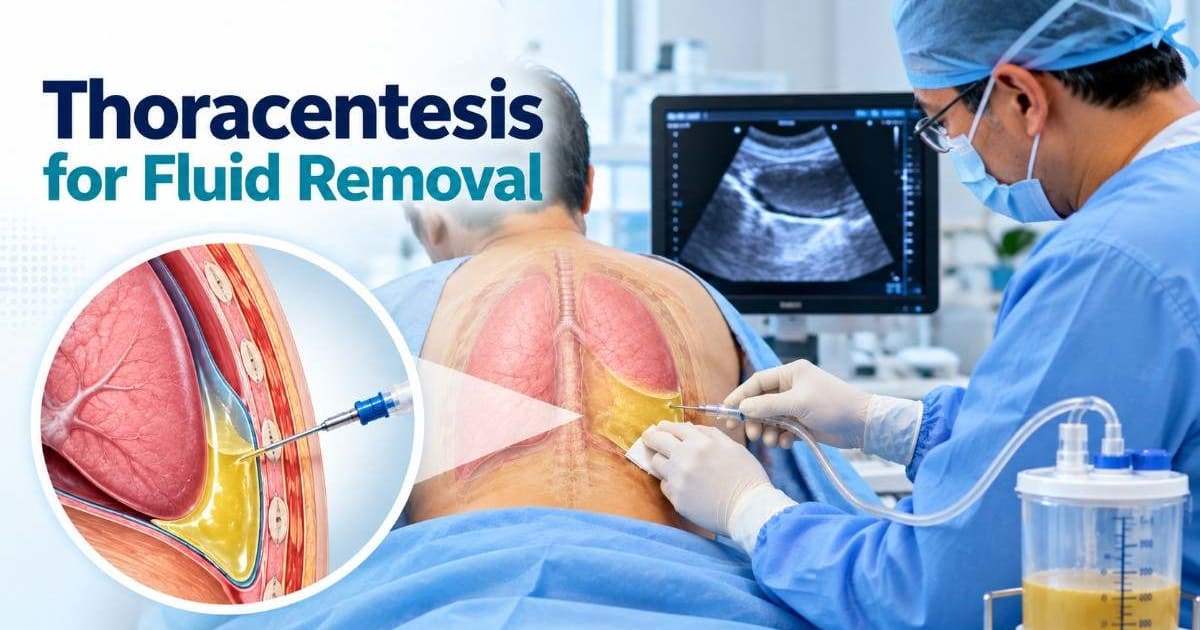
When a significant amount of fluid is causing breathlessness or discomfort, thoracentesis may be performed to drain the fluid.
Removing the excess fluid can help reduce pressure around the lungs and may improve breathing.
However, depending on the underlying cause, fluid can sometimes build up again after drainage.
Chest Tube Drainage
In some situations, particularly when a larger amount of fluid needs to be removed or when the fluid is associated with certain infections, a chest tube may be placed.
The tube allows fluid to drain gradually from the pleural space while the medical team monitors the condition.
Pleurodesis
For some people with recurrent pleural effusion, doctors may consider a procedure called pleurodesis.
This procedure is intended to reduce the chance of fluid repeatedly collecting in the pleural space. Whether pleurodesis is appropriate depends on the cause of the effusion and the individual's overall condition.
Is pleural effusion dangerous?
Pleural effusion can become serious depending on its cause and severity.
A large amount of fluid can significantly affect breathing, while some underlying conditions responsible for pleural effusion may themselves require urgent medical treatment.
The presence of pleural effusion should therefore be properly evaluated rather than treated as a condition that will always resolve on its own.
Prompt medical attention is particularly important when someone develops severe or worsening breathlessness, significant chest pain, or other concerning symptoms.
Can pleural effusion come back?
Yes, pleural effusion can recur, particularly when the underlying cause continues to affect fluid balance or the pleural space.
For example, some chronic medical conditions may lead to repeated fluid buildup. In other situations, recurrent effusions may require further investigation and long-term management.
The treatment approach for recurrent pleural effusion depends on why the fluid keeps returning.
A specialist can evaluate the underlying condition and discuss options for managing both the fluid buildup and its cause.
When to consult a specialist?
You should speak with a doctor if you experience persistent or worsening shortness of breath, unexplained chest pain, a persistent cough, or other symptoms that may indicate a lung or chest-related problem.
You should seek urgent medical attention if breathing becomes suddenly difficult, chest pain is severe, or symptoms rapidly worsen.
A pulmonologist or chest specialist can assess your symptoms, review imaging and test results, and determine whether further investigation or treatment is needed.
Finding the right specialist for pleural effusion
Pleural effusion can have several possible causes, which makes proper diagnosis an important part of care.
Depending on the suspected cause, evaluation may involve a pulmonologist and other relevant specialists. The right medical team can help identify the reason for the fluid buildup, recommend appropriate tests, and guide treatment and follow-up.
GetBeds helps patients search for specialists and hospitals based on their healthcare needs, making it easier to explore available care options.
Conclusion
Pleural effusion is a condition in which excess fluid collects around the lungs. While some cases may cause few symptoms, larger fluid buildups can lead to breathlessness, chest discomfort, and difficulty breathing.
Because pleural effusion can develop due to several underlying conditions, identifying the cause is essential. Diagnosis may involve imaging tests and, in some cases, analysing the pleural fluid through thoracentesis.
Treatment depends on the underlying cause and may include medication, fluid drainage, chest tube drainage, or procedures for recurrent fluid buildup. Consulting a qualified specialist can help ensure that the condition is properly evaluated and managed.
FAQs
Q: What is pleural effusion, and why does it happen?
Pleural effusion is the buildup of excess fluid in the space between the lungs and the chest wall. It can happen because of conditions affecting the heart, lungs, kidneys, liver, or pleura, as well as infections, inflammation, and other medical problems.
Q: What are the symptoms of pleural effusion?
Common symptoms may include shortness of breath, chest pain or discomfort, coughing, difficulty taking deep breaths, and tiredness. Some people with a small pleural effusion may not experience noticeable symptoms.
Q: What causes fluid around the lungs?
Fluid around the lungs can develop due to several conditions, including heart failure, infections such as pneumonia, kidney or liver disease, cancer, and inflammatory disorders.
Q: How is pleural effusion treated?
Treatment depends on the underlying cause and severity. Options may include treating the underlying condition, medication, thoracentesis to remove fluid, chest tube drainage, or other procedures for recurrent fluid buildup.
Q: Is pleural effusion dangerous?
Pleural effusion can be serious, particularly when a large amount of fluid affects breathing or when it is caused by a significant underlying medical condition. Proper medical evaluation is important to identify the cause and determine appropriate treatment.
Disclaimer:
This blog is for informational purposes only and does not constitute scientific recommendations. Always consult a certified healthcare expert for analysis and remedies.