Share this Article
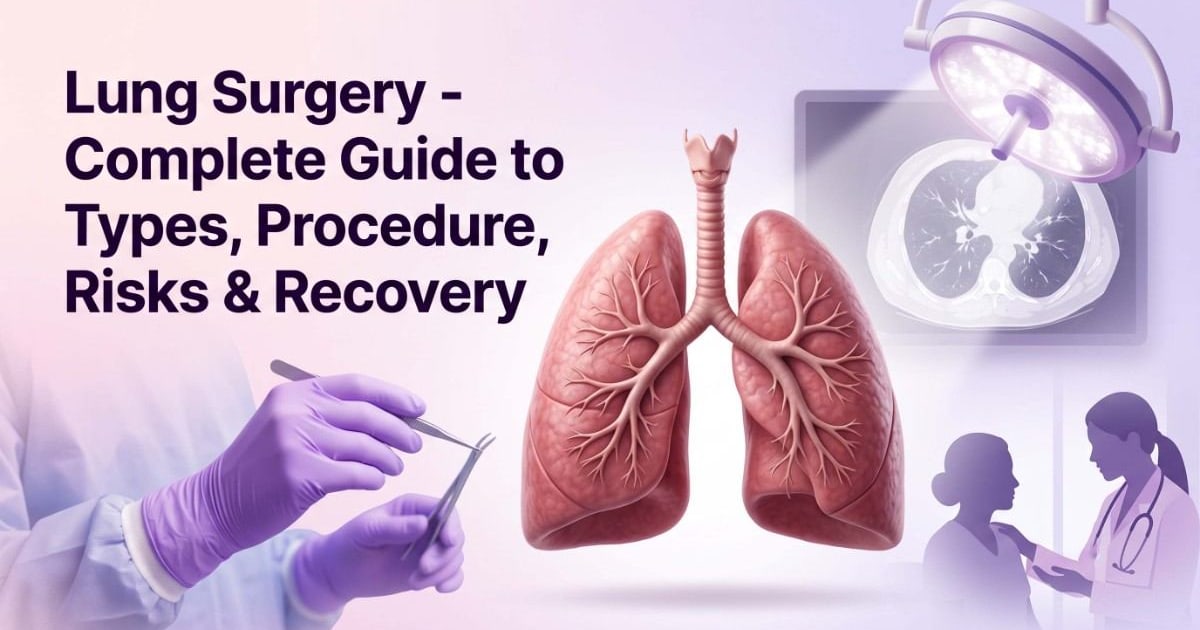
Being told that you may need lung surgery can bring up a lot of questions. Why is surgery needed? What happens during the procedure? How much of the lung is removed? And what does recovery look like?
Lung surgery is used to treat certain conditions affecting the lungs, including some lung cancers, tumours, infections, and damaged lung tissue. Depending on the condition, a surgeon may remove a small part of the lung, one entire lobe, or, in some cases, the whole lung.
This guide explains what lung surgery is, the different types of lung surgery, how the procedure is performed, possible risks, recovery, and what to expect after surgery.
What is lung surgery?
Lung surgery is a type of thoracic surgery performed to treat certain diseases or problems affecting the lungs and surrounding areas of the chest.
The goal may be to remove diseased tissue, treat a tumour, manage severe damage, or address another condition that requires surgical treatment.
The type of surgery depends on:
The condition being treated
The location and size of the affected area
How much lung tissue is involved
The patient's overall health
Lung function and other medical factors
Not everyone with a lung condition needs surgery. A specialist will assess the condition and recommend surgery only when it is considered an appropriate treatment option.
Types of lung surgery
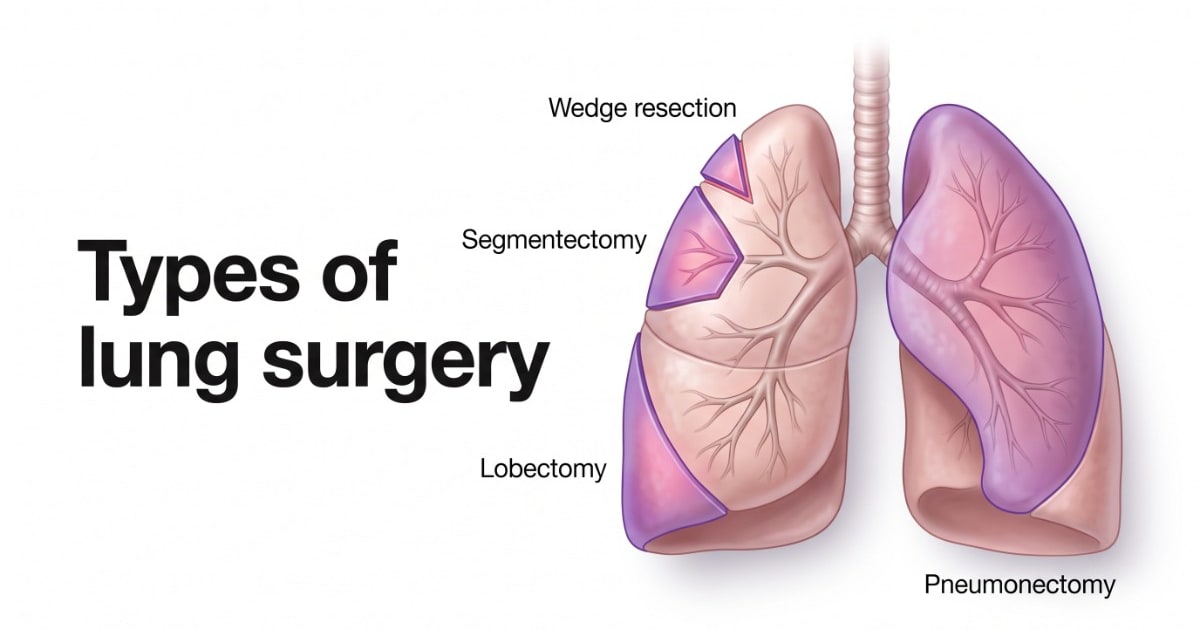
Different procedures are used depending on how much lung tissue needs to be treated or removed.
1. Wedge Resection
A wedge resection removes a small, wedge-shaped portion of lung tissue containing the affected area. It may be considered for certain small tumours or abnormal areas.
2. Segmentectomy
A segmentectomy removes a specific section, or segment, of a lung while preserving the rest of the lobe.
3. Lobectomy
A lobectomy involves removing one entire lobe of the lung. It is commonly used when a disease or tumour is limited to a particular lobe.
4. Pneumonectomy
A pneumonectomy involves removing an entire lung. This is a more extensive procedure and may be recommended when disease affects a large part of one lung.
5. Minimally Invasive Lung Surgery
Some lung operations can be performed using minimally invasive techniques, such as video-assisted thoracoscopic surgery (VATS).
These procedures generally use smaller incisions than traditional open surgery and may allow some patients to recover more quickly.
The best approach depends on the patient's condition and the surgeon's assessment.
Procedure of lung surgery
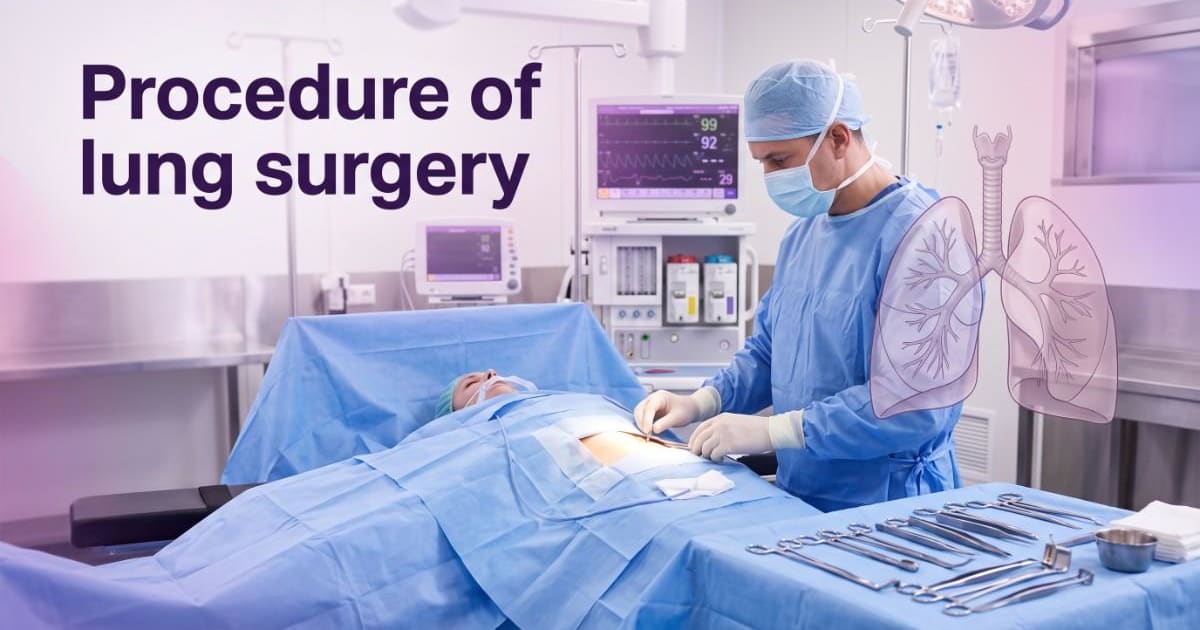
Before surgery, the medical team evaluates the patient's overall health and lung function. Tests may include imaging scans, blood tests, and pulmonary function tests.
Most major lung surgeries are performed under general anaesthesia, so the patient remains asleep during the procedure.
Depending on the type of operation, the surgeon may use:
Traditional open chest surgery
VATS
Other minimally invasive surgical techniques
During the procedure, the surgeon removes or treats the affected lung tissue while taking care to preserve healthy areas whenever possible.
After surgery, the patient is monitored closely for breathing, pain, drainage, and other signs of recovery.
General anaesthesia for lung surgery
General anaesthesia is commonly used for major lung operations. It puts the patient into a controlled state of unconsciousness during surgery.
An anaesthesia team monitors breathing, heart rate, blood pressure, oxygen levels, and other vital signs throughout the procedure.
Before surgery, the anaesthetist will review the patient's medical history, medicines, allergies, and other factors that may affect anaesthesia.
Risks of lung surgery
Lung surgery is a major procedure, so it can have potential risks and complications.
These may include:
Bleeding
Infection
Pain
Breathing difficulties
Air leakage from the lung
Blood clots
Reactions to anaesthesia
The level of risk varies depending on the type of surgery, the patient's lung function, age, overall health, and the condition being treated.
Your surgeon will discuss the expected benefits and individual risks before surgery.
Chest drain after lung surgery

A chest drain after lung surgery may be placed to remove air, blood, or fluid from the chest.
The drain can help the remaining lung tissue expand properly and allows the medical team to monitor the chest during the early recovery period.
It is usually removed once the surgeon determines that it is no longer needed.
Recovery after lung surgery

Lung surgery recovery varies from person to person.
After surgery, it is common to experience some chest discomfort, tiredness, coughing, or reduced stamina. Some patients may also experience breathlessness, particularly when becoming active again.
Recovery may involve:
Pain management
Breathing exercises
Gradually increasing physical activity
Monitoring lung function
Follow-up appointments
Pulmonary rehabilitation when recommended
Patients should follow their surgeon's instructions about activity, medicines, wound care, and follow-up.
How long does lung surgery take?
The length of lung surgery depends on the procedure and how complex the condition is.
Some operations may take a few hours, while more extensive procedures may take longer.
The hospital stay also varies. Patients undergoing major surgery may need to remain in the hospital for several days while the medical team monitors their breathing, pain, chest drain, and overall recovery.
Life after lung surgery
Many people gradually return to their usual activities after recovering from lung surgery.
The adjustment depends on how much lung tissue was removed, the patient's lung health, and whether additional treatment is required.
Some patients may benefit from breathing exercises or pulmonary rehabilitation to improve strength and exercise tolerance.
Avoiding smoking and other lung irritants is especially important for protecting the remaining lung tissue. People with existing lung conditions such as COPD may require closer monitoring of their breathing and lung function during recovery.
Regular follow-up is also important, particularly when surgery was performed for lung cancer or another condition requiring ongoing monitoring.
When to Consult a Specialist?
You should speak with a doctor if you have persistent breathing problems, unexplained chest symptoms, a lung abnormality found during an imaging test, or a diagnosed lung condition that may require surgical treatment.
A pulmonologist or thoracic surgeon can review your symptoms, test results, and medical history and determine whether lung surgery may be appropriate.
Finding the Right Specialist for Lung Surgery
Choosing an experienced specialist is an important part of planning lung surgery.
The right medical team can help with diagnosis, surgical planning, recovery, and follow-up care. GetBeds helps patients discover hospitals and specialists and compare available healthcare options.
Conclusion
Lung surgery can be an important treatment option for selected lung conditions. Depending on the problem, surgery may involve removing a small portion of the lung, one lobe, or an entire lung.
The type of lung surgery, procedure, risks, and recovery depend on the patient's condition and overall health.
If surgery has been recommended, discussing the procedure and available treatment options with a qualified specialist can help you understand what to expect and make an informed decision.
Frequently Asked Questions
Lung surgery involves operating on the lungs or surrounding chest structures to treat certain conditions. It may be recommended for selected cases of lung cancer, tumours, severe lung damage, infections, or other conditions requiring surgical treatment.
Common types include wedge resection, segmentectomy, lobectomy, pneumonectomy, and minimally invasive procedures such as VATS.
The duration depends on the type and complexity of the procedure. Many major lung operations take several hours.
Possible risks include bleeding, infection, pain, breathing difficulties, blood clots, air leakage, pneumonia, and complications related to anaesthesia.
Recovery varies depending on the type of surgery, the patient's health, and whether additional treatment is required. Some people return to normal activities within weeks, while more extensive procedures may require longer recovery.
Disclaimer:
This blog is for informational purposes only and does not constitute scientific recommendations. Always consult a certified healthcare expert for analysis and remedies.