Share this Article
Being told that you may need to have an entire lung removed can understandably raise a lot of questions. Why is such major surgery needed? Can you live with one lung? What happens during the procedure? How difficult is recovery? And what will everyday life look like afterward?
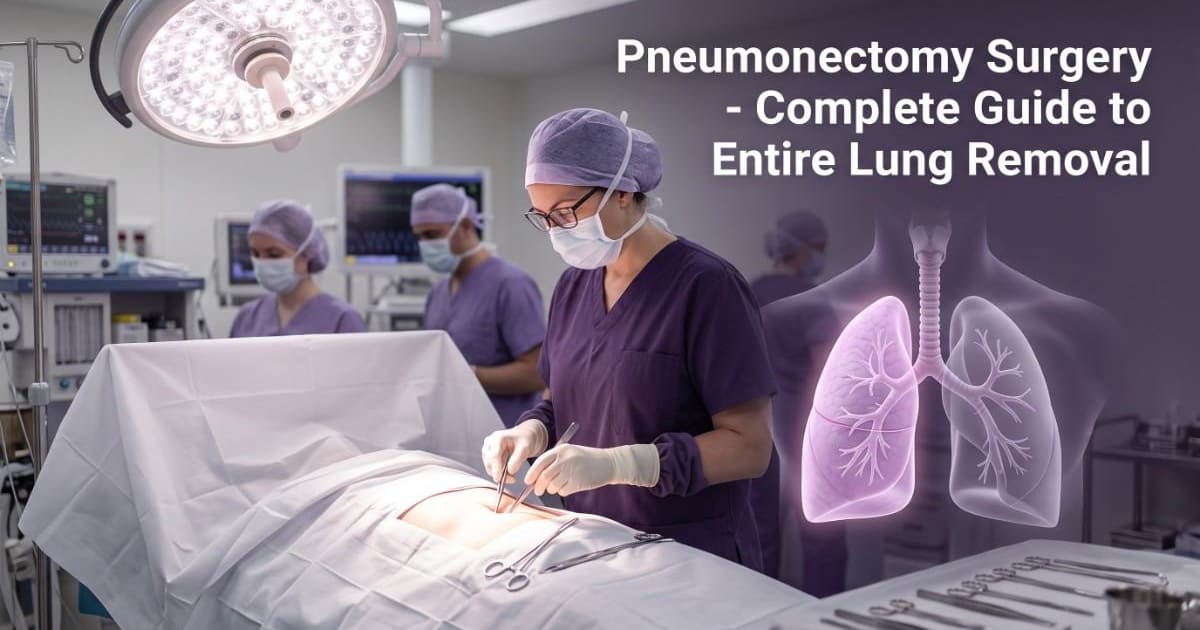
Pneumonectomy surgery is a major operation in which an entire right or left lung is removed. It is most commonly used to treat certain lung cancers, particularly when the disease cannot be completely removed by taking out only part of the lung. In selected cases, it may also be considered for a severely damaged lung or certain other serious lung conditions.
This guide explains what pneumonectomy is, when it may be necessary, how the procedure is performed, its possible risks, recovery, breathing with one lung, life after surgery, and the factors that affect pneumonectomy cost in India.
What is pneumonectomy surgery?
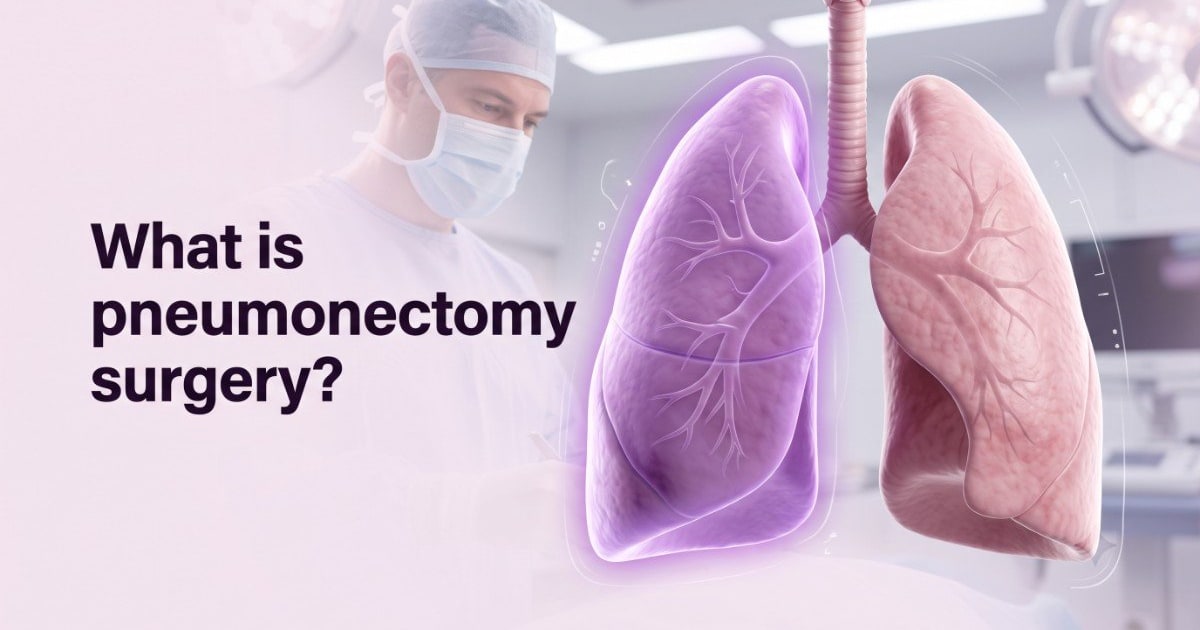
Pneumonectomy is a type of lung resection surgery in which an entire lung is removed. Depending on the condition, the surgeon may remove either the right lung or the left lung.
It is the most extensive form of lung resection. Unlike a lobectomy, which removes only one lobe, pneumonectomy removes the whole lung.
The decision to remove an entire lung depends on several factors, including the location and extent of the disease, lung function, heart health, overall health, and whether a smaller operation could provide the required treatment.
Before recommending pneumonectomy, the medical team carefully assesses whether the remaining lung will be able to support adequate breathing after surgery.
When is pneumonectomy necessary?
Pneumonectomy is most commonly considered when lung cancer is limited to one lung but cannot be completely removed through a smaller operation. This may happen when a tumour is located in a position where removing only part of the lung would leave behind diseased tissue.
It may also be considered in selected cases involving conditions such as pleural mesothelioma, severe lung damage, certain serious infections, bronchiectasis, or specific lung injuries. However, the procedure is not suitable for everyone with these conditions.
A specialist will consider the patient's diagnosis, imaging results, lung function, heart function, and overall health before deciding whether pneumonectomy is appropriate.
Tests before pneumonectomy
Because pneumonectomy involves removing an entire lung, careful testing is needed before surgery. The medical team needs to determine whether the remaining lung can provide enough breathing capacity and whether the heart and body are strong enough to undergo the operation.
Depending on the patient's condition, tests may include pulmonary function tests, CT scans, PET scans, chest X-rays, blood tests, echocardiography, and other heart or lung assessments.
These tests also help the surgical team understand the disease and plan the safest approach.
Procedure of pneumonectomy
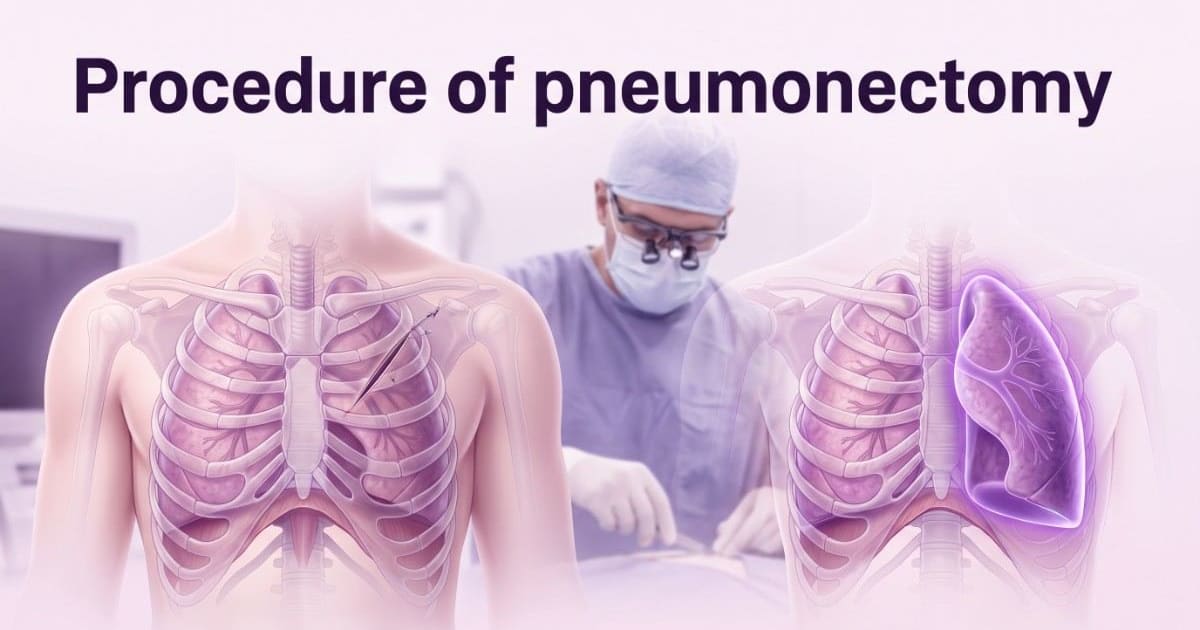
Pneumonectomy is usually performed under general anaesthesia, which means the patient is asleep throughout the operation.
The surgeon accesses the lung through the chest. Depending on the patient's condition and the surgical plan, the operation may be performed through traditional open chest surgery or, in selected cases, through a minimally invasive approach such as video-assisted thoracoscopic surgery (VATS).
During the procedure, the affected lung is carefully separated from the surrounding structures and removed. The surgical area is then closed, and the patient is moved to recovery for close monitoring.
The operation can take several hours, with the exact duration depending on factors such as which lung is being removed and how complex the surgery is.
What happens after a pneumonectomy?
After surgery, the patient usually remains in the hospital for several days while the medical team monitors recovery.
Doctors and nurses closely monitor breathing, oxygen levels, heart rate, blood pressure, pain, and other signs of recovery. Oxygen may be provided when needed, and pain medicines are commonly used to keep the patient comfortable.
Physical activity is gradually introduced. A physiotherapist may help the patient get out of bed, walk safely, and perform breathing exercises as recovery progresses.
Unlike many other lung surgeries, a chest drain is not routinely required after a standard pneumonectomy because the space left by the removed lung is managed differently during recovery.
Can you live with one lung?
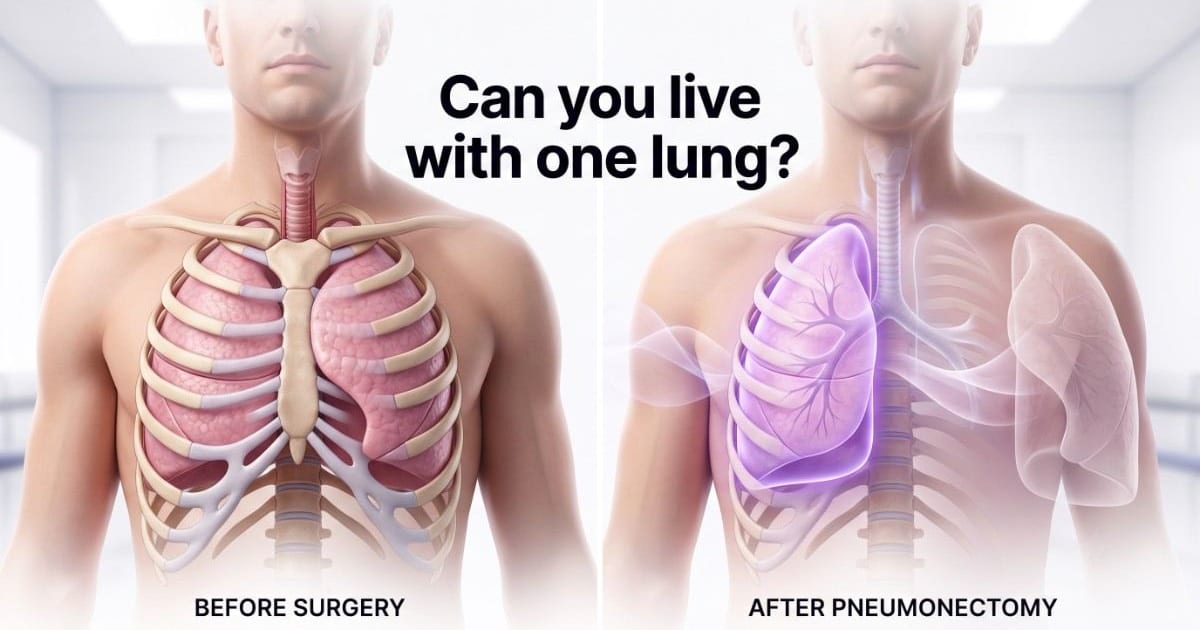
Yes, many people can live with one lung after pneumonectomy. Once one lung has been removed, the remaining lung takes over the body's oxygen exchange. The body also gradually adjusts to the changes created by the surgery. However, how well someone functions with one lung depends on their health before surgery, the condition that led to pneumonectomy, the function of the remaining lung, and the recovery process.
Some people may notice that they become tired more easily or feel short of breath during strenuous activity. Others may gradually return to many of their usual activities after recovery.
Breathing after pneumonectomy
Breathing can feel different after an entire lung has been removed. During the early stages of recovery, patients may experience breathlessness, tiredness, or reduced exercise tolerance.
As the body adjusts, the remaining lung and other structures in the chest adapt to the changes. Breathing exercises, physical therapy, and pulmonary rehabilitation may be recommended to help improve strength and activity tolerance.
The amount of activity a person can comfortably perform varies from one patient to another, so recovery goals should be discussed with the treating medical team.
Risks of pneumonectomy
Pneumonectomy is a major operation and carries a higher risk of complications than surgeries that remove only part of the lung.
Possible complications include bleeding, infection, pneumonia, abnormal heart rhythms, blood clots, breathing problems, reactions to anaesthesia, respiratory failure, and bronchopleural fistula. A rare complication called post-pneumonectomy syndrome can also occur when structures in the chest shift significantly after lung removal and affect the airway.
The risk is not the same for every patient. Factors such as age, overall health, heart and lung function, the reason for surgery, and whether the right or left lung is removed can influence the risk.
Your surgeon should explain the individual risks and expected benefits before surgery.
Recovery from pneumonectomy

Recovery after pneumonectomy is considerably longer than recovery from many smaller lung procedures. Although hospital recovery usually takes several days, full recovery can take several months.
During this period, patients may experience tiredness, chest discomfort, breathlessness, and reduced stamina. Everyday activities may initially require more effort, and some patients may need help at home while their strength returns.
Recovery generally involves gradually increasing physical activity, following breathing or physiotherapy exercises, taking prescribed medicines, attending follow-up appointments, and following the surgeon's instructions about lifting, driving, exercise, and returning to work.
Giving the body enough time to adjust is an important part of recovery.
Life after pneumonectomy
Life after pneumonectomy can involve some changes, but living with one lung is possible for many people. How someone feels and functions afterward depends largely on their underlying condition, remaining lung function, overall health, and recovery.
Some people may need to adjust their pace of daily activities or take more breaks than they did before surgery. Regular physical activity within the limits recommended by the medical team can help rebuild strength and stamina.
Avoiding smoking and other lung irritants is particularly important because the remaining lung now plays an even more important role in maintaining breathing function.
If pneumonectomy was performed for lung cancer, regular follow-up is especially important. Depending on the cancer type and stage, additional treatments such as chemotherapy, radiation therapy, immunotherapy, or other cancer treatments may be recommended as part of the overall treatment plan.
Success rate of pneumonectomy
There is no single pneumonectomy success rate that applies to every patient.
The outcome depends on why the surgery was performed, the type and stage of the disease, whether it has spread, the patient's heart and lung function, overall health, and whether additional treatment is required.
For lung cancer, the stage and type of cancer are particularly important when considering long-term outcomes. Surgery may be part of a larger treatment plan rather than the only treatment required.
Your thoracic surgeon can explain the expected outcome based on your diagnosis, test results, and overall health rather than relying on a general success rate.
Pneumonectomy cost in India
The cost of pneumonectomy in India can vary considerably from one patient and hospital to another. There is no single fixed price because the final expense depends on the treatment plan and the level of care required.
Factors that can influence the cost include the hospital and city, surgeon's fees, pre-surgery investigations, anaesthesia, intensive care, length of hospital stay, medicines, post-operative care, and any additional treatment required.
For patients undergoing surgery for lung cancer, the overall cost may also depend on whether chemotherapy, radiation therapy, immunotherapy, or other treatments are required before or after surgery.
For an accurate estimate, patients should ask the hospital for a detailed treatment and cost plan based on their individual case.
When to consult a specialist?
You should consult a specialist if you have been diagnosed with a lung condition that may require the removal of an entire lung or if imaging has identified a lung tumour or extensive damage affecting one lung.
A pulmonologist or thoracic surgeon can review your medical history, imaging, lung function, and other test results to determine whether pneumonectomy is appropriate. They can also discuss whether a smaller procedure or another treatment option may be possible.
Finding the Right Specialist for Pneumonectomy
Choosing an experienced thoracic surgeon and a hospital equipped to manage major lung surgery is an important part of treatment planning.
The right medical team can help with diagnosis, surgical planning, the procedure itself, recovery, and follow-up care. GetBeds helps patients discover hospitals and specialists and compare available healthcare options.
Conclusion
Pneumonectomy is a major lung surgery in which an entire right or left lung is removed. It is most commonly considered for selected lung cancers and may also be used in certain severe lung conditions when removing the affected lung is considered the most appropriate treatment.
Because the procedure is extensive, careful assessment of the heart, lungs, and overall health is essential before surgery. Recovery can take several months, and some people may experience changes in breathing and exercise tolerance while the body adjusts to living with one lung.
If pneumonectomy has been recommended, discussing the reason for surgery, possible alternatives, individual risks, expected recovery, and long-term outlook with a qualified thoracic specialist can help you understand your options and make an informed decision.
Frequently Asked Questions
Pneumonectomy is a major lung surgery in which an entire right or left lung is removed. It is most commonly performed for selected lung cancers and may also be considered for certain severe lung conditions.
Pneumonectomy may be considered when a disease or tumour affects enough of one lung that removing only part of the lung would not adequately treat the condition. The patient's lung and heart function must also be sufficient to support life with the remaining lung.
Yes. Many people can live with one lung after pneumonectomy. However, breathing capacity and exercise tolerance can vary depending on the patient's remaining lung function, overall health, and recovery.
Possible risks include bleeding, infection, pneumonia, abnormal heart rhythms, blood clots, breathing difficulties, respiratory failure, reactions to anaesthesia, and other complications. The individual risk depends on the patient's health and the type of surgery.
The cost varies depending on the hospital, location, surgeon, investigations, anaesthesia, hospital stay, medicines, post-operative care, and any additional treatment required. A hospital-specific estimate is needed to determine the expected cost.
Disclaimer:
This blog is for informational purposes only and does not constitute scientific recommendations. Always consult a certified healthcare expert for analysis and remedies.