Share this Article
Being told that you may need part of your lung removed can naturally raise many questions. Why is lobectomy needed? How is the surgery performed? How long does recovery take? And what can you expect after the procedure?
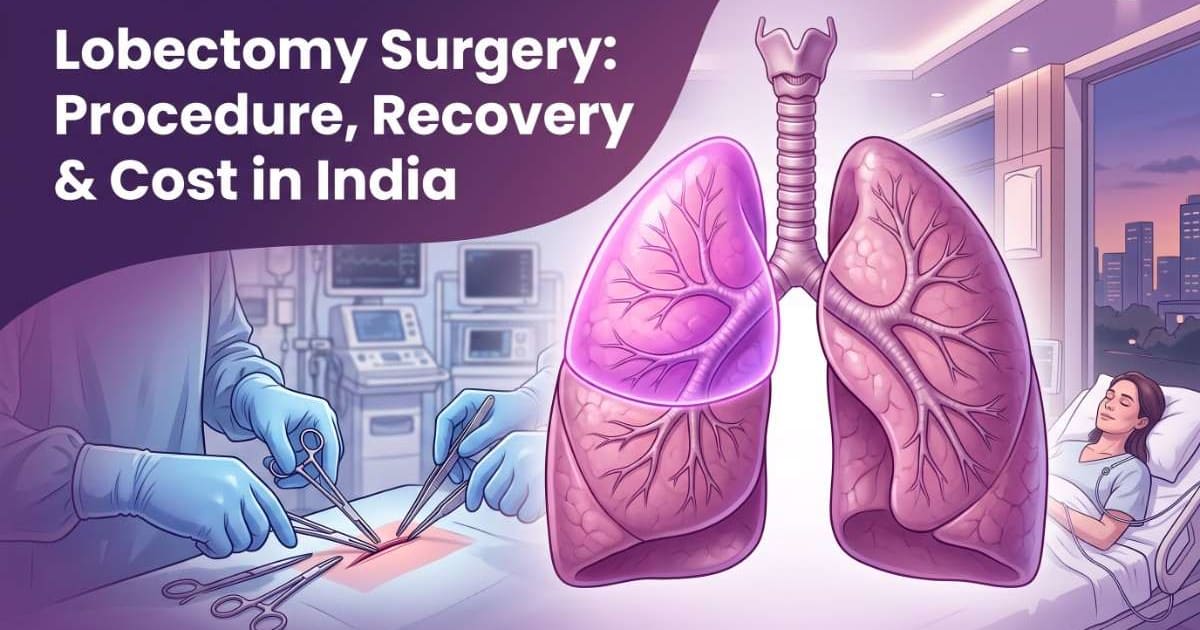
Lobectomy surgery is a procedure in which one lobe of the lung is removed. It may be recommended when a disease or tumour is limited to a particular area of the lung and removing the affected lobe is considered an appropriate treatment.
This guide explains what lobectomy is, how the procedure is performed, how it differs from pneumonectomy, possible risks, recovery time, life after lobectomy, and the cost of lobectomy in India.
What is lobectomy surgery?
Lobectomy is a type of lung surgery in which one complete lobe of the lung is removed. The right lung has three lobes, while the left lung has two. When a condition affects one particular lobe, removing that lobe may allow the remaining healthy lung tissue to continue functioning. Lobectomy may be considered for the following:
Lung cancer
Certain lung tumours
Localised lung infections
Severely damaged lung tissue
Other conditions affecting a specific lung lobe
The decision depends on the condition, its location, lung function, and the patient's overall health.
When is a lobectomy done?
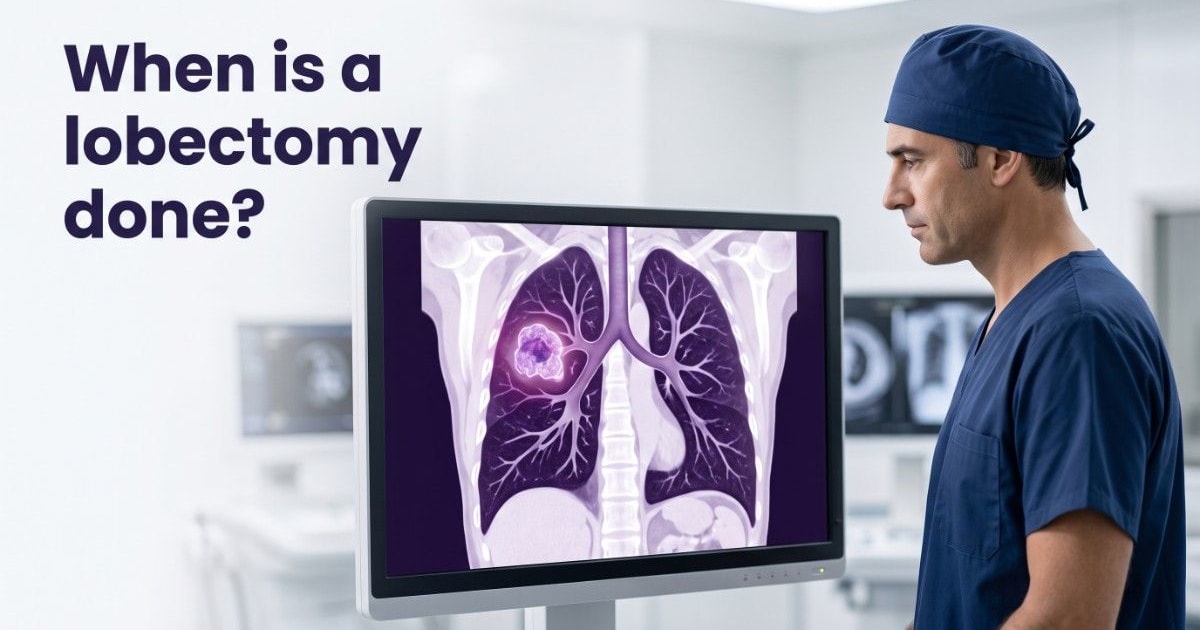
A lobectomy may be recommended when removing the affected lung lobe can help treat the underlying condition. It is commonly used in selected cases of lung cancer where the disease is limited to a particular part of the lung. Before recommending surgery, the doctor may consider:
Type of condition
Size and location of the affected area
Whether the disease has spread
Lung function
Overall health
Ability to tolerate surgery
A thoracic surgeon will determine whether lobectomy is appropriate after reviewing the patient's medical history, scans, and test results.
Procedure of lobectomy
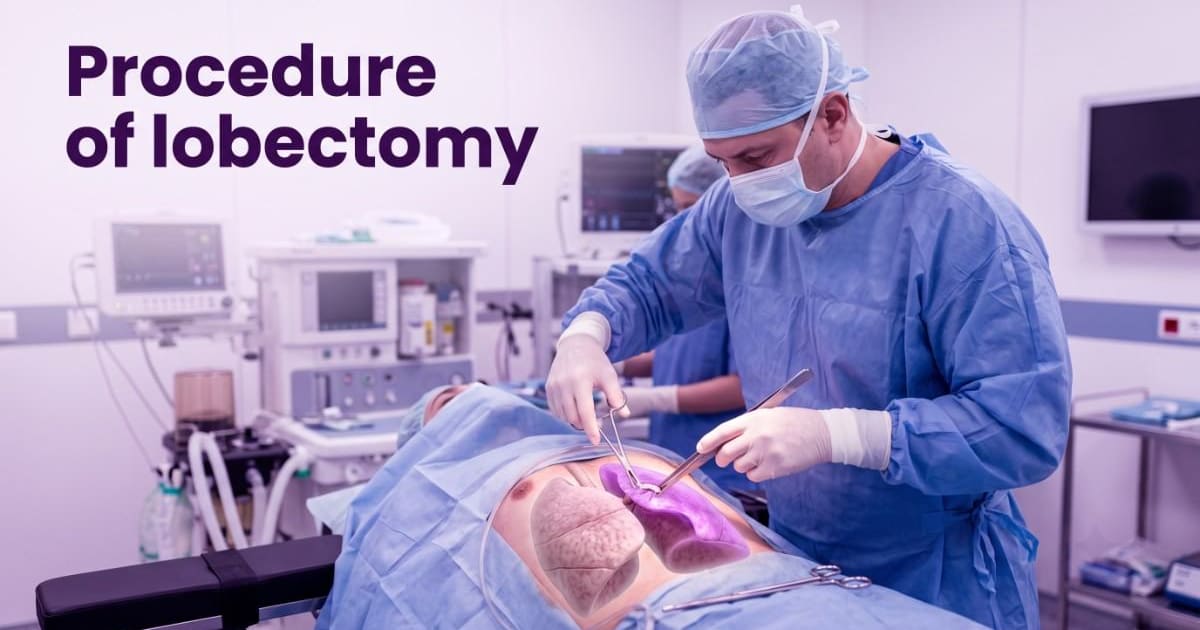
Before surgery, the medical team evaluates the patient's overall health and lung function. Tests may include imaging scans, blood tests, and pulmonary function tests.
Lobectomy is generally performed under general anaesthesia, so the patient remains asleep during the procedure.
The surgery can be performed through:
Traditional open chest surgery
Video-assisted thoracoscopic surgery (VATS)
Other minimally invasive techniques
During the procedure, the surgeon removes the affected lung lobe while preserving the remaining healthy lung tissue whenever possible.
After surgery, the patient is monitored closely for breathing, pain, drainage, and other signs of recovery.
Open Lobectomy
An open lobectomy involves making an incision in the chest to access the affected lung.
The surgeon carefully separates the affected lobe from the surrounding structures before removing it.
This approach may be used when the location or complexity of the condition makes open surgery more suitable.
VATS Lobectomy
A VATS lobectomy is a minimally invasive procedure performed through small incisions in the chest.
A small camera and specialised surgical instruments are used to access and remove the affected lung lobe.
Whether VATS or open surgery is used depends on the patient's condition, the location of the disease, and the surgeon's assessment.
Lobectomy vs Pneumonectomy
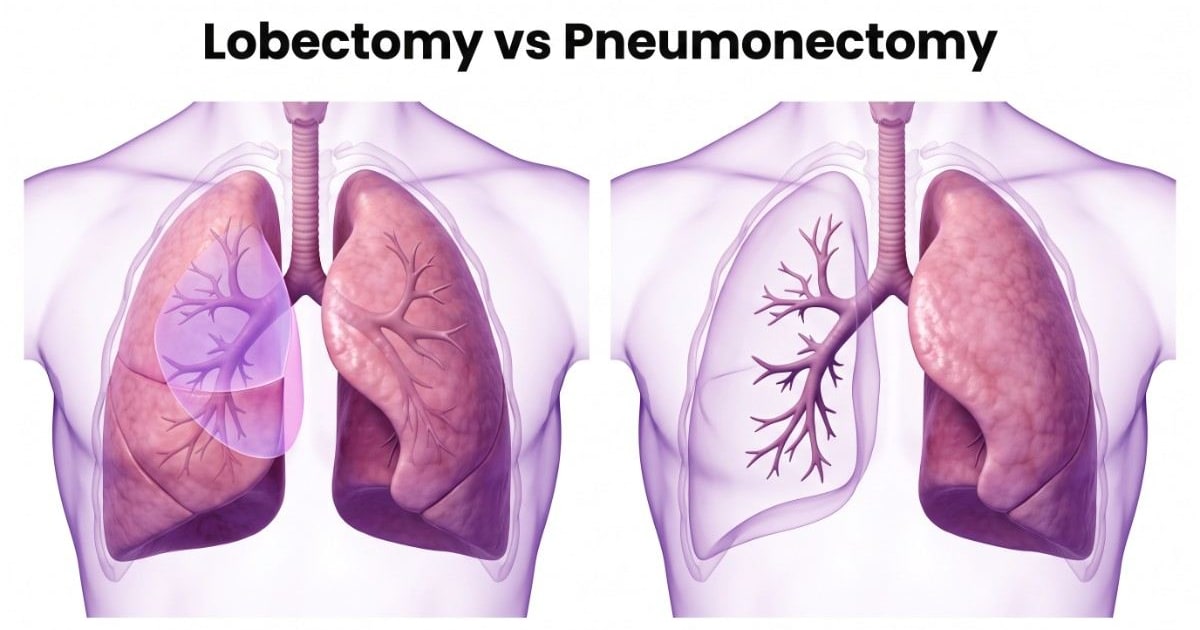
The main difference between lobectomy and pneumonectomy is how much lung tissue is removed.
Lobectomy:
One lobe of the lung is removed.
Pneumonectomy:
An entire lung is removed.
When medically appropriate, preserving healthy lung tissue may be beneficial. However, the right procedure depends on the condition and how extensively it affects the lung.
A specialist will recommend the most suitable surgical approach for the individual patient.
Risks of lobectomy surgery
Lobectomy is a major surgical procedure and can have potential risks and complications.
These may include:
Bleeding
Infection
Pain
Air leakage from the lung
Breathing difficulties
Blood clots
Reactions to anaesthesia
The level of risk depends on factors such as the patient's lung function, age, overall health, and the complexity of the surgery.
The surgeon will explain the expected benefits and individual risks before the procedure.
Chest drain after lobectomy

A chest drain may be placed after lobectomy to remove air, blood, or fluid from around the lung.
It can help the remaining lung tissue expand properly and allows the medical team to monitor the chest during the early recovery period.
The drain is usually removed once the medical team determines that it is no longer required.
Recovery time after lobectomy

Lobectomy recovery time varies from person to person. After surgery, patients may experience:
Chest discomfort
Tiredness
Coughing
Shortness of breath
Reduced stamina
Recovery may involve:
Pain management
Breathing exercises
Gradually increasing physical activity
Monitoring lung function
Follow-up appointments
Pulmonary rehabilitation when recommended
Hospital recovery generally takes several days, while returning to normal activities may take several weeks or longer.
Patients should follow their surgeon's instructions regarding medicines, activity, wound care, and follow-up.
Life after lobectomy
Many people gradually return to their usual activities after recovering from a lobectomy.
The adjustment depends on how much lung tissue was removed, the patient's lung function, overall health, and whether additional treatment is required.
Some patients may initially experience reduced stamina or breathlessness during physical activity. Breathing exercises and pulmonary rehabilitation may help when recommended by the medical team.
Avoiding smoking and other lung irritants is important for protecting the remaining lung tissue. Conditions such as COPD can also affect lung function, so ongoing respiratory care may be important for some patients.
Regular follow-up is particularly important when lobectomy has been performed for lung cancer or another condition requiring ongoing monitoring.
Success rate of lobectomy
The outcome of lobectomy depends on several factors, including the condition being treated, its stage and extent, lung function, overall health, and whether additional treatment is required.
For lung cancer, factors such as cancer type, stage, spread, and response to treatment can influence the outcome.
A specialist can provide a more accurate assessment based on the patient's individual condition.
Lobectomy Cost in India
The cost of lobectomy in India can vary depending on several factors.
These may include:
Type of lobectomy
Open surgery or VATS
Hospital and location
Surgeon and medical team
Pre-surgery investigations
Anaesthesia
Length of hospital stay
Medicines
Post-operative care
Additional treatment, when required
Because these factors differ between patients and hospitals, there is no single fixed cost for lobectomy.
Patients should ask the hospital for a detailed estimate based on their specific treatment plan.
When to Consult a Specialist?
You should speak with a specialist if a scan has identified a lung tumour, abnormal growth, or another condition affecting a specific lung lobe.
A pulmonologist or thoracic surgeon can review your symptoms, imaging results, lung function, and medical history to determine whether lobectomy may be appropriate.
Finding the Right Specialist for Lobectomy Surgery
Choosing an experienced thoracic surgeon and hospital is an important part of planning lobectomy surgery.
The right medical team can help with diagnosis, surgical planning, treatment, recovery, and follow-up care. GetBeds helps patients discover hospitals and specialists and compare available healthcare options.
Conclusion
Lobectomy surgery involves removing one lobe of the lung while preserving the remaining lung tissue. It may be recommended for selected cases of lung cancer, tumours, infections, and other conditions affecting a specific lung lobe.
The type of procedure, risks, lobectomy recovery time, and cost can vary depending on the patient's condition and overall health.
If lobectomy has been recommended, discussing the procedure, available treatment options, expected recovery, and long-term care with a qualified specialist can help you make an informed decision.
Frequently Asked Questions
Lobectomy surgery removes one lobe of the lung. It may be recommended when a disease or tumour is limited to a particular area of the lung and removing the affected lobe is considered an appropriate treatment.
Lobectomy can be performed through traditional open surgery or minimally invasive techniques such as VATS. The approach depends on the patient's condition and the surgeon's assessment.
A lobectomy removes one lobe of the lung, while a pneumonectomy removes an entire lung.
Recovery varies depending on the type of surgery, the patient's health, and whether additional treatment is required. Hospital recovery generally takes several days, while returning to normal activities may take several weeks or longer.
The cost varies depending on the hospital, location, surgical approach, surgeon, investigations, hospital stay, medicines, and additional treatment requirements. A hospital-specific estimate is needed for an accurate cost.
Disclaimer:
This blog is for informational purposes only and does not constitute scientific recommendations. Always consult a certified healthcare expert for analysis and remedies.