Share this Article
Being told that you may need a lung transplant can bring up many questions. Why is a transplant needed? Who may be eligible for one? Will you need one lung or both? How does the donor process work? And what does life look like after the transplant?
A lung transplant is a major surgery in which a diseased or damaged lung is replaced with a healthy lung from a suitable donor. It may be considered for people with severe or end-stage lung disease when other treatments are no longer controlling the condition effectively. Depending on the patient's condition, doctors may recommend a transplant involving one lung or both lungs. The decision depends on the underlying disease, lung function, overall health, and several other medical factors.
This guide explains what lung transplant surgery is, who may need it, how patients are evaluated, the transplant procedure, single vs double lung transplants, possible risks, recovery, immunosuppressant medicines, life after transplant, success rates, and lung transplant costs in India.
What is lung transplant surgery?
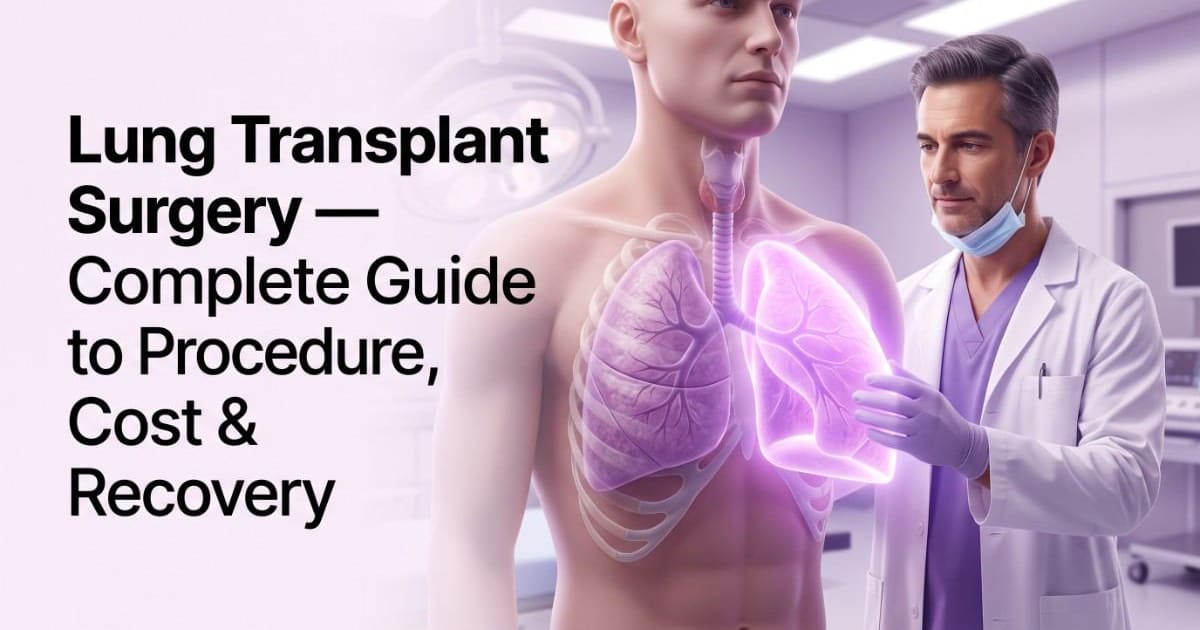
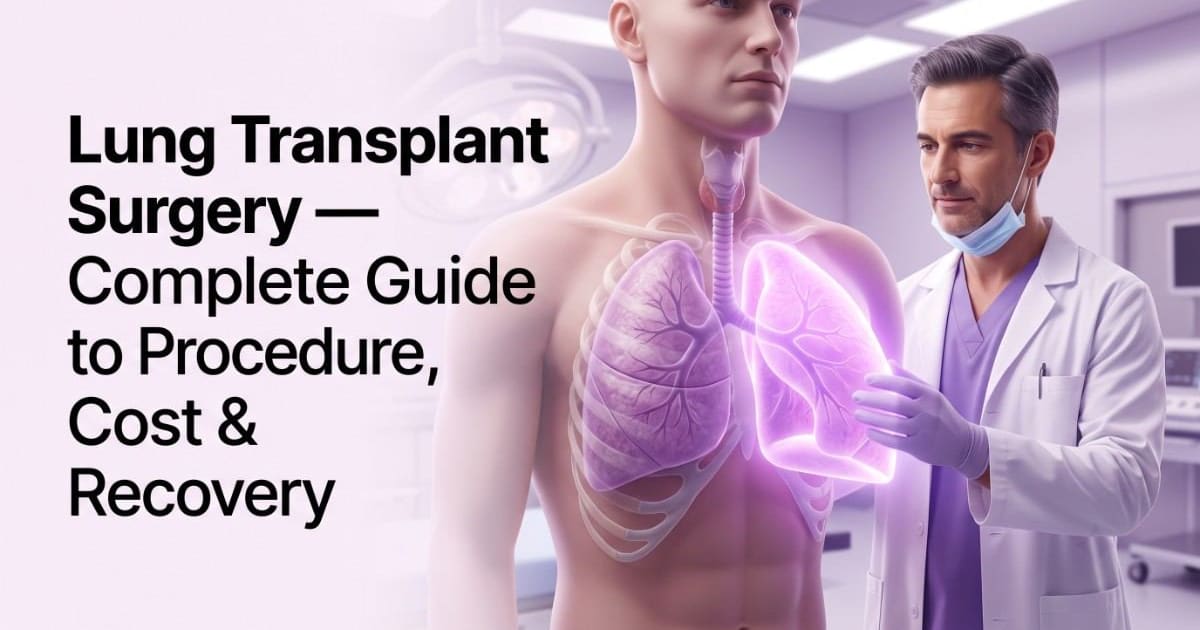
Lung transplant surgery is a procedure in which one or both diseased lungs are replaced with healthy donor lungs.
It is generally considered when the lungs have become severely damaged and can no longer provide enough oxygen or remove carbon dioxide effectively despite appropriate treatment. A lung transplant may be considered for certain advanced lung conditions, including:
Pulmonary fibrosis
Cystic fibrosis
Pulmonary hypertension
Bronchiectasis
Other forms of severe or end-stage lung disease
Not everyone with advanced lung disease needs a transplant. A specialist team carefully evaluates the patient's condition before deciding whether transplantation may be an appropriate treatment option.
Who may need a lung transplant?
A lung transplant may be considered when lung disease has progressed significantly and is severely affecting breathing, physical activity, and everyday life. The decision is based on factors such as how advanced the lung disease is, how well the lungs are functioning, whether other treatments are still helping, and the patient's overall health.
Doctors may also consider whether the patient is physically and medically able to undergo major surgery and manage the long-term treatment required after transplantation. A transplant is a complex treatment, so the benefits and risks are carefully assessed for every patient.
Evaluation of lung transplant
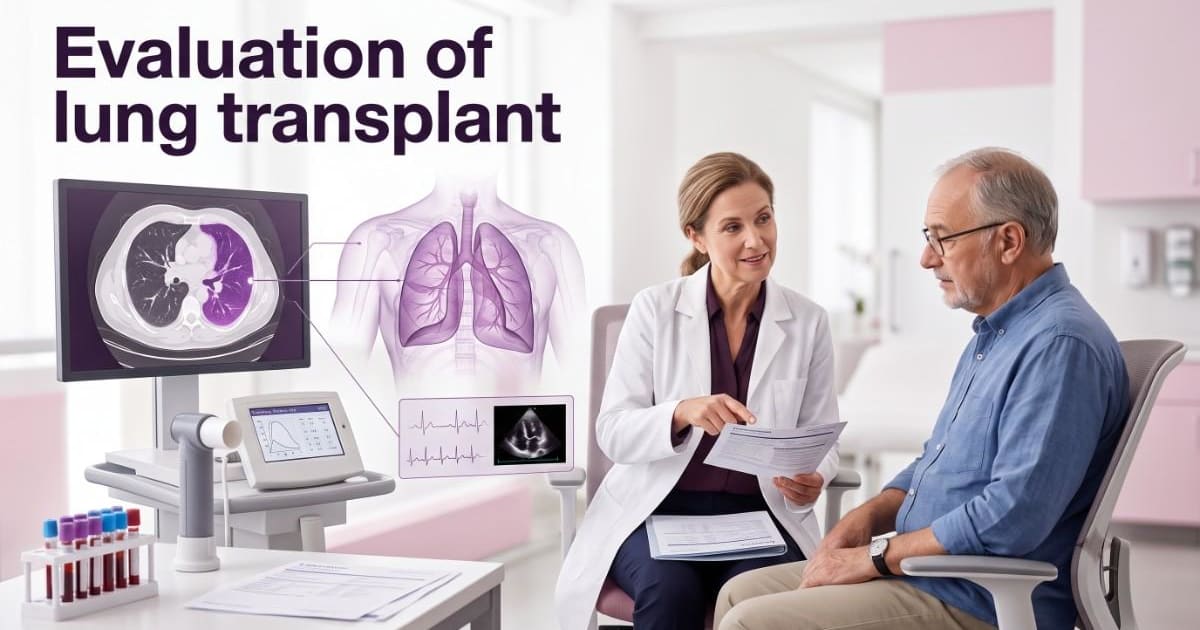
Before being considered for a lung transplant, the patient undergoes a detailed medical evaluation. The evaluation helps doctors understand how severely the lungs are affected and whether the patient's body is likely to tolerate the surgery and long-term treatment. Tests may include:
Lung function tests
Blood tests
Chest imaging
Heart function tests
Oxygen level assessment
Infection screening
Other investigations based on the patient's condition
The medical team may also review the patient's previous treatments, medicines, lifestyle, nutritional status, and overall physical condition.
The purpose of this evaluation is not only to determine whether a transplant is needed, but also whether it is safe and suitable for the individual patient.
Lung transplant waiting list
A suitable donor lung may not be immediately available, so eligible patients may need to wait for a donor organ.
The waiting period can vary from person to person. Donor availability, blood group, lung size, medical urgency, and other allocation factors can influence how long a patient may need to wait.
While waiting, the patient's condition continues to be monitored. Doctors may continue medicines, oxygen therapy, pulmonary rehabilitation, or other treatments to help maintain the patient's health.
If the patient's condition changes significantly while waiting, the transplant team may reassess the treatment plan and transplant status.
Single lung vs double lung transplant
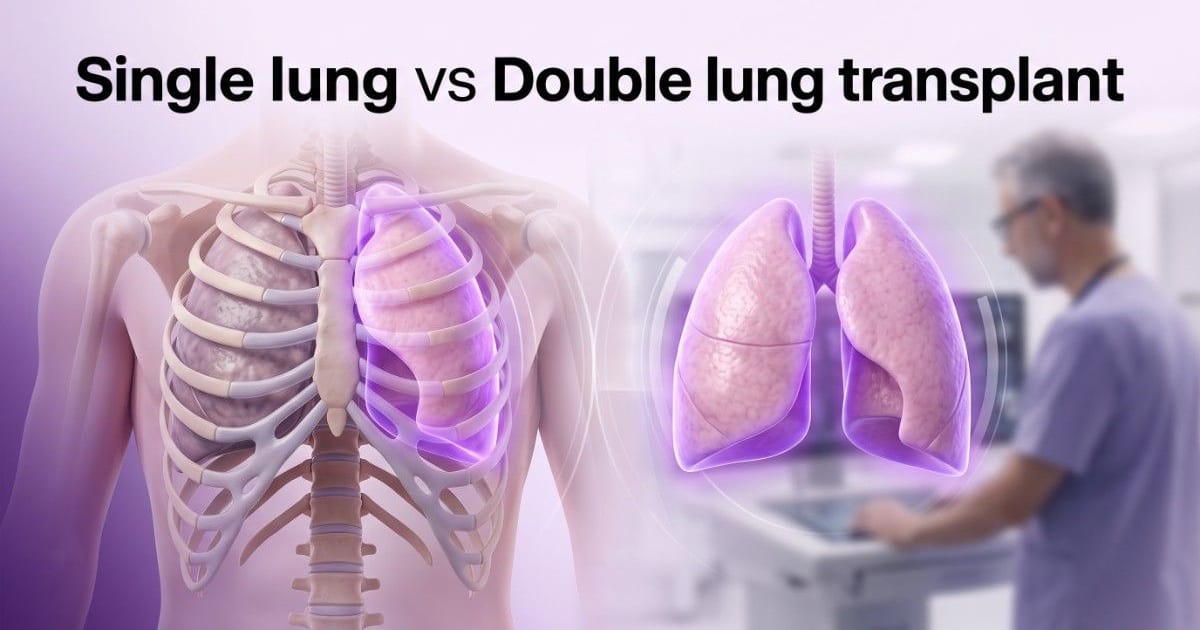
A single lung transplant involves replacing one diseased lung with a donor lung. A double lung transplant involves replacing both lungs.
The choice depends on the underlying lung disease and the condition of the patient's lungs. For some patients, replacing one lung may be sufficient. For others, both lungs may need to be replaced to provide the expected benefit from transplantation.
A double lung transplant is a more extensive procedure because both lungs are replaced, while a single lung transplant involves replacing only one.
The transplant team decides which approach is more appropriate after considering the patient's disease, lung function, overall health, and expected outcome.
Procedure of lung transplant
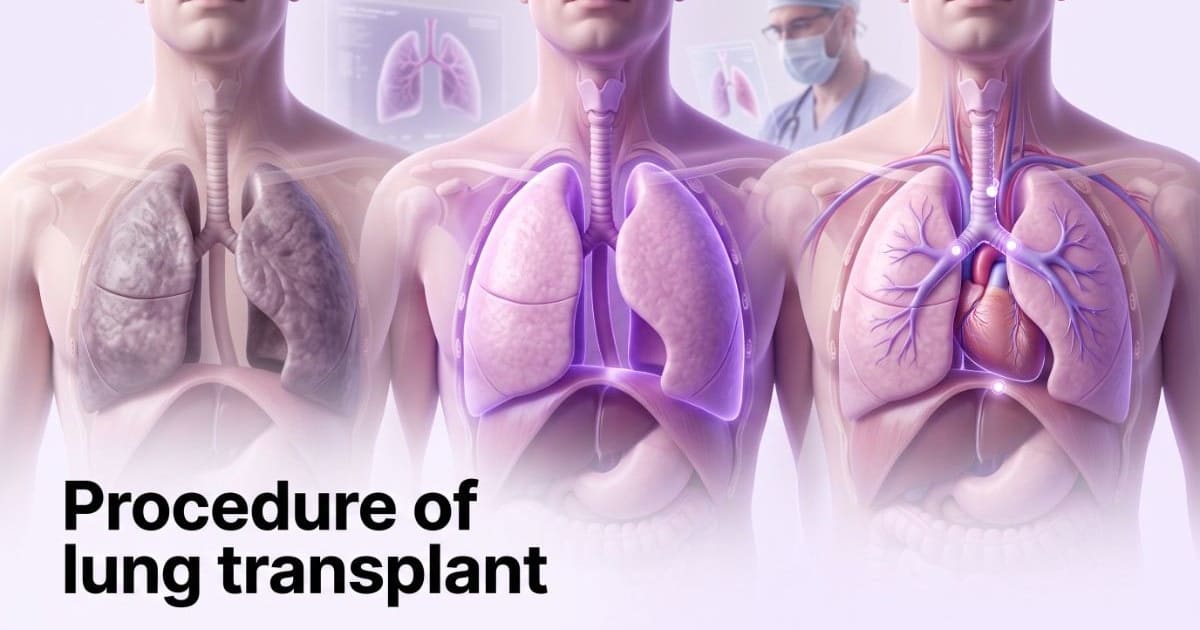
Lung transplant surgery is performed under general anaesthesia, which means the patient remains asleep during the operation.
During a single lung transplant, the diseased lung is removed and replaced with the donor lung. The surgeon connects the donor lung's airway and blood vessels with the patient's existing structures.
During a double lung transplant, both diseased lungs are removed and replaced with donor lungs.
The procedure may take several hours depending on the type of transplant and the complexity of the surgery. After the donor lung or lungs are connected and functioning properly, the surgical team closes the chest. The patient is then moved to intensive care for close monitoring.
What happens after lung transplant surgery?
The first few days after a lung transplant require close medical monitoring. Patient may initially need breathing support through a ventilator. Chest tubes may also be used to drain fluid or air from around the lungs. Doctors and nurses monitor breathing, oxygen levels, heart function, blood pressure, pain, and other signs of recovery.
As the patient becomes more stable, the medical team gradually reduces breathing support and encourages movement. Physiotherapy and breathing exercises may become part of the recovery process. The length of hospital stay varies depending on the patient's condition and recovery.
Recovery after lung transplant

Lung transplant recovery does not end when the patient leaves the hospital. The body needs time to adjust to the transplanted lung, and regular medical monitoring remains important. During recovery, patients may experience tiredness, weakness, changes in breathing, and reduced physical stamina. Recovery may involve:
Breathing exercises
Physical activity introduced gradually
Pulmonary rehabilitation when recommended
Regular blood tests
Lung function monitoring
Follow-up appointments
Strict adherence to prescribed medicines
Patients should follow their transplant team's instructions regarding activity, diet, medicines, infection prevention, and follow-up care.
Immunosuppressants after lung transplant

One of the most important parts of life after a lung transplant is taking immunosuppressant medicines. The body's immune system naturally recognises the transplanted lung as foreign and may try to attack it. This is called rejection.
Immunosuppressant medicines reduce this immune response and help protect the transplanted lung from rejection. These medicines are generally required for the long term and should only be changed under medical supervision.
Because immunosuppressants reduce immune activity, they can also increase the risk of infections. Regular monitoring helps doctors manage medicine levels and identify possible complications early. Patients should never stop or change their transplant medicines on their own.
Risks of lung transplant
Lung transplantation is a major procedure and can involve significant risks. Possible complications include the following:
Rejection of the transplanted lung
Infection
Bleeding
Blood clots
Breathing complications
Problems with the airway
Complications related to anaesthesia
Side effects from immunosuppressant medicines
Rejection and infection are particularly important concerns after transplantation. This is why regular follow-up and taking prescribed medicines correctly are essential. The level of risk varies depending on the patient's age, underlying disease, overall health, transplant type, and other medical factors. The transplant team should explain the individual risks and expected benefits before surgery.
Warning signs after lung transplant
Changes in breathing or general health after a transplant should not be ignored. Patients should contact their medical team if they experience symptoms such as:
Increasing breathlessness
Persistent cough
Fever
Chest discomfort
Unusual tiredness
Sudden changes in exercise tolerance
Other new or worsening symptoms
These symptoms can have different causes, including infection or rejection. Early medical assessment can help identify problems and begin appropriate treatment when needed.
Life after lung transplant
A successful lung transplant can improve breathing and physical ability for people with severe lung disease. However, life after transplantation requires ongoing medical care. Patients usually need lifelong immunosuppressant medicines and regular follow-up to monitor the transplanted lung.
Physical activity can gradually increase as recovery progresses. Some patients may benefit from pulmonary rehabilitation to improve strength and exercise tolerance. Protecting the transplanted lung is also important. Avoiding smoking and other lung irritants, following medical advice, maintaining a healthy lifestyle, and taking medicines as prescribed can all support long-term care.
Regular monitoring remains important even when the patient feels well because some complications may be detected through routine testing before noticeable symptoms appear.
Success rate of lung transplant
There is no single lung transplant success rate that applies to every patient. The outcome can depend on the underlying lung disease, age, overall health, type of transplant, condition before surgery, infections, rejection episodes, and long-term response to treatment. The early period after transplantation is particularly important because complications such as infection and rejection can affect recovery. Rather than relying on a general success percentage, patients should discuss their expected outcome with their transplant specialist based on their individual condition.
How long can you live after a lung transplant?
There is no fixed number of years that applies to every lung transplant recipient.
Some people live for many years after transplantation, while outcomes can vary depending on their underlying disease, overall health, rejection, infections, complications, and long-term follow-up.
Taking immunosuppressant medicines correctly, attending regular appointments, monitoring lung function, and following the transplant team's advice are important parts of long-term care.
Lung transplant cost in India
The cost of lung transplant in India can vary depending on the transplant centre, type of transplant, patient's medical condition, hospital stay, investigations, medicines, and post-operative care.
GetBeds currently lists lung transplant surgery with an estimated price range of ₹15,00,000 to ₹25,00,000, with the procedure generally taking around 6 to 12 hours and a typical hospital stay of approximately 2 to 3 weeks. The actual cost can vary depending on the patient's individual treatment requirements.
The overall expense may include pre-transplant evaluation, surgery, anaesthesia, ICU care, hospitalisation, medicines, immunosuppressants, follow-up investigations, and treatment of any complications.
Patients should discuss the complete expected cost with the healthcare team before proceeding with treatment.
When to consult a specialist?
You should speak with a specialist if you have severe or progressive lung disease that continues to affect your breathing despite treatment, or if your doctor has indicated that your lung function is becoming significantly impaired.
A pulmonologist or transplant specialist can review your symptoms, medical history, lung function, test results, and treatment response to determine whether a lung transplant evaluation may be appropriate.
Early evaluation can also give eligible patients more time to understand the transplant process and prepare for the waiting period.
Finding the right specialist for a lung transplant
Choosing the right specialist and transplant centre is an important part of the treatment journey.
Lung transplantation requires a multidisciplinary medical team for evaluation, surgery, intensive care, medicines, rehabilitation, and long-term follow-up.
GetBeds helps patients discover hospitals and specialists, compare available healthcare options, and get support while planning their treatment.
Conclusion
Lung transplant surgery can provide a treatment option for selected patients with severe or end-stage lung disease when other treatments are no longer sufficient.
Depending on the patient's condition, the transplant may involve replacing one lung or both lungs. The process involves detailed evaluation, donor matching and waiting, major surgery, hospital recovery, long-term immunosuppressant medicines, and regular follow-up.
Recovery and long-term outcomes vary from person to person. If a lung transplant has been recommended, discussing eligibility, the type of transplant, possible risks, expected recovery, and long-term care with a qualified specialist can help you understand your options and make an informed decision.
FAQs
Q: What Is Lung Transplant Surgery and Who Needs It?
Lung transplant surgery replaces one or both diseased lungs with healthy donor lungs. It may be considered for people with severe or end-stage lung diseases when other treatments are no longer providing enough benefit.
Q: What Is the Difference Between Single and Double Lung Transplant?
A single lung transplant replaces one diseased lung, while a double lung transplant replaces both lungs. The choice depends on the underlying disease, lung condition, overall health, and specialist assessment.
Q: What Is the Success Rate of Lung Transplant in India?
There is no single success rate that applies to every patient. Outcomes depend on factors such as the underlying disease, overall health, type of transplant, rejection, infection, and long-term follow-up.
Q: What Is the Cost of Lung Transplant in India?
The cost varies depending on the transplant centre, type of transplant, investigations, surgery, hospital stay, medicines, and post-operative care. GetBeds currently lists an estimated range of ₹15,00,000 to ₹25,00,000 for lung transplant surgery, although the actual cost may vary by patient.
Q: How Long Can You Live After Lung Transplant?
There is no fixed lifespan after a lung transplant. Some patients live for many years, while individual outcomes depend on factors such as overall health, rejection, infections, complications, and long-term medical care.
Disclaimer:
This blog is for informational purposes only and does not constitute scientific recommendations. Always consult a certified healthcare expert for analysis and remedies.