Share this Article
Your heart beats nearly 100,000 times every day. With each beat, four tiny heart valves open and close perfectly to keep blood flowing in the right direction.
Even a small problem in these valves can make the heart work harder. Over time, this may lead to symptoms like breathlessness, fatigue, chest discomfort, and serious heart complications if left untreated. While most people think of the heart as a powerful muscle, its pumping ability depends heavily on healthy heart valves. These specialised structures act like one-way doors that regulate blood flow throughout the body.
The good news is that modern heart valve disease treatment options have improved significantly. From medications and valve repair procedures to advanced replacement surgeries, timely treatment can help restore heart function and improve quality of life.
What are Heart valves?
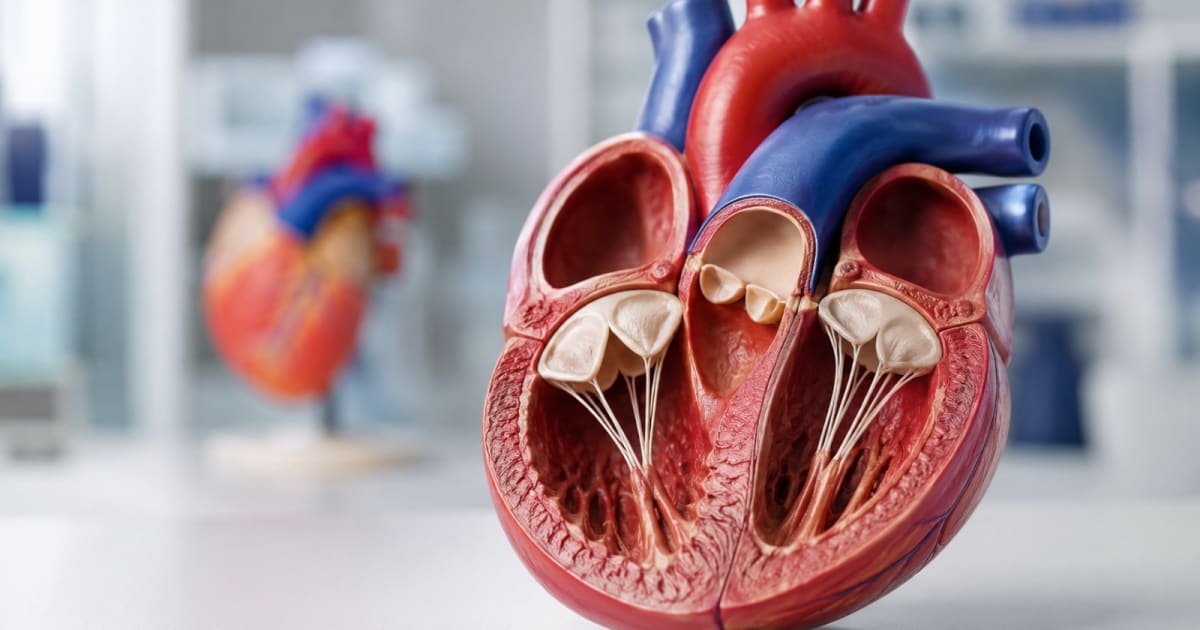
Heart valves are specialised flaps of tissue located within the heart that control blood flow between the heart’s chambers and major blood vessels. Their primary role is to ensure blood flows in only one direction and does not leak backward.
Every time the heart beats, these valves open and close in a coordinated manner to regulate circulation throughout the body. When functioning properly, cardiac valves help maintain efficient blood flow and support the heart's ability to deliver oxygen-rich blood where it is needed most.
The human heart contains four valves that work together continuously throughout life.
Types of Heart valves
Understanding the types of heart valves helps explain how blood travels through the heart and body.
1. Mitral valve
The mitral valve sits between the left atrium and left ventricle. It controls the movement of oxygen-rich blood coming from the lungs into the heart's main pumping chamber.
The mitral valve plays a critical role in ensuring blood moves forward efficiently without leaking backward. Problems affecting this valve are among the most commonly diagnosed valve disorders.
2. Aortic valve
The aortic valve is positioned between the left ventricle and the aorta, which is the body's largest artery.
The primary aortic valve function is to allow oxygen-rich blood to leave the heart and travel to the rest of the body. Once blood passes through the valve, it closes tightly to prevent blood from flowing backward into the heart.
3. Tricuspid valve
Located between the right atrium and right ventricle, the tricuspid valve regulates blood returning from the body before it enters the lungs for oxygenation. Its role is to maintain one-way blood flow through the right side of the heart.
4. Pulmonary valve
The pulmonary valve sits between the right ventricle and the pulmonary artery. This valve directs oxygen-poor blood from the heart to the lungs, where it receives oxygen before returning to the left side of the heart.
Together, these four valves create a highly coordinated system that supports healthy circulation throughout the body.
How does Heart valves work?
The heart operates like a two-sided pump. Here is the simplified path blood takes on every circuit:
Blood from the body enters the right side of the heart
The pulmonary valve pushes it toward the lungs
The lungs add oxygen and send it back to the left side
The mitral valve moves it into the left ventricle
The aortic valve pumps it out to the rest of the body
This loop repeats continuously. When all four valves are timing their open-and-close cycles correctly, circulation is efficient. When even one falls out of sync or develops a structural issue, the whole system feels it.
Common diseases of Heart valve
Heart valve disease occurs when one or more valves cannot open or close properly. These conditions can reduce blood flow efficiency and force the heart to work harder than normal.
Valve stenosis
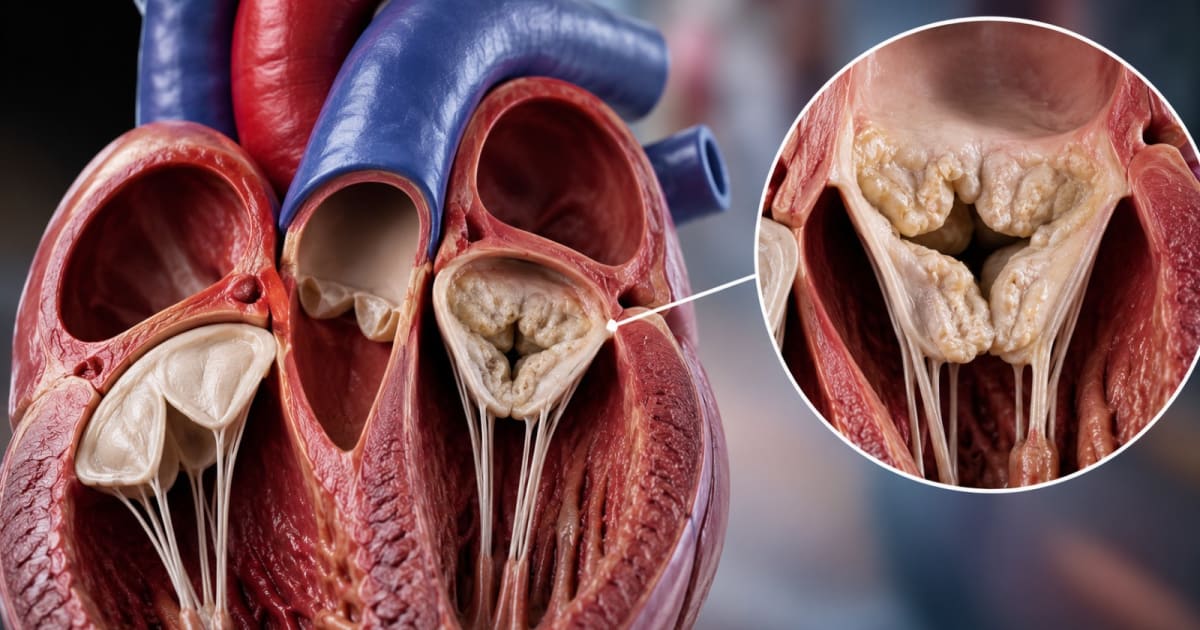
Stenosis occurs when a valve becomes stiff, thickened, or narrowed. As a result, the valve cannot open fully, restricting blood flow.
Over time, the heart must generate additional pressure to push blood through the narrowed opening. Severe stenosis can eventually weaken the heart muscle.
Valve regurgitation
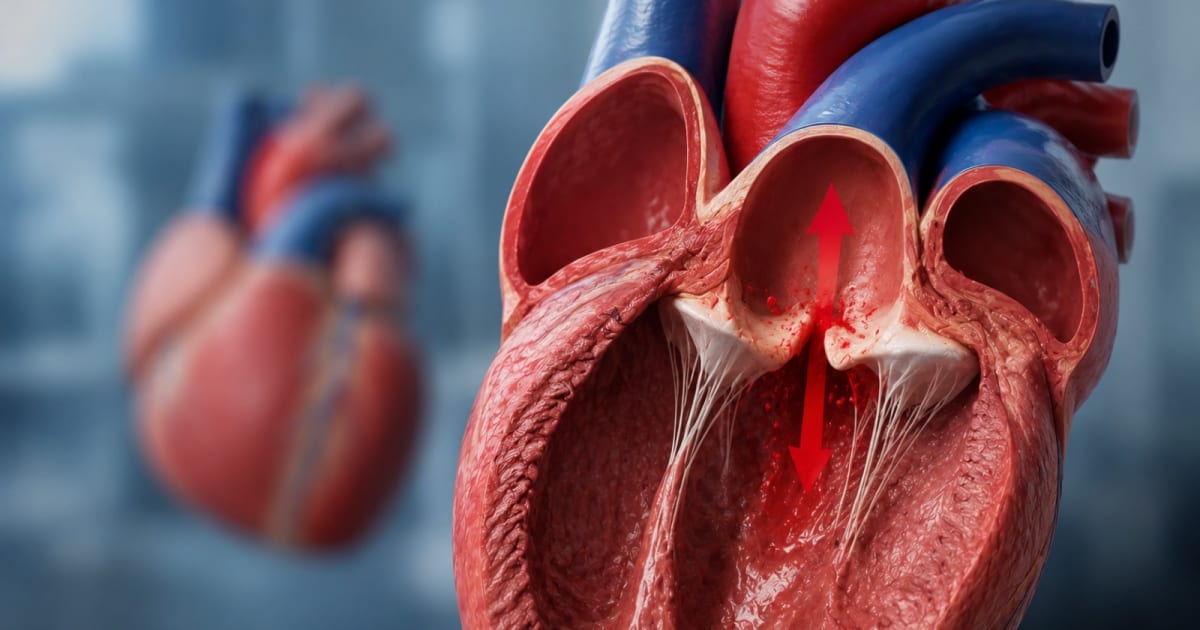
Regurgitation, also called a leaky heart valve, happens when a valve does not close properly, causing blood to flow backward with each heartbeat. This reduces the heart’s pumping efficiency and may require surgery in severe cases.
Valve prolapse
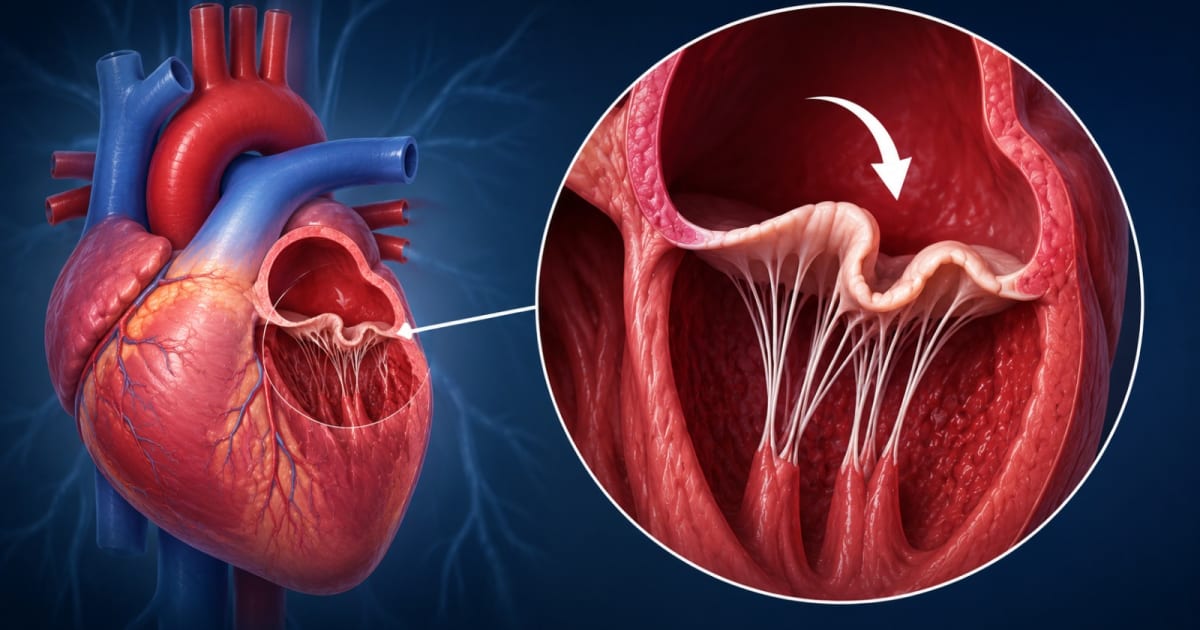
Prolapse mostly affects the mitral valve. In this condition, the valve's leaflets are too flexible and bulge backward during a heartbeat rather than closing flat. Many people with mild prolapse live without any real complications, but in some cases, notable leakage develops over time.
Symptoms of Heart valve disease
Many valve disorders develop slowly and may not cause symptoms initially. As the condition progresses, patients may begin to notice changes in their physical health and activity levels.
Common symptoms include:
Shortness of breath
Fatigue and weakness
Chest discomfort
Heart palpitations
Dizziness or fainting
Swelling in the ankles, feet, or abdomen
Rapid weight gain caused by fluid retention
Any persistent cardiac symptoms should be evaluated by a qualified healthcare professional, as early diagnosis can significantly improve treatment outcomes.
What causes Heart valve problems?
Several factors can contribute to valve disease. Some people are born with congenital valve abnormalities, while others develop problems later in life due to ageing or underlying medical conditions.
Common causes include:
Age-related valve degeneration
High blood pressure
Heart infections
Rheumatic fever
Previous heart attack
Congenital heart defects
Connective tissue disorders
Calcification of valve tissue
Lifestyle factors such as smoking, poor diet, and uncontrolled chronic illnesses may also increase the risk of developing valve disorders.
Heart valve disease treatment options
The appropriate heart valve disease treatment depends on the severity of damage, symptoms, overall heart function, and patient health.
Medications
While medications cannot repair structural valve damage, they can help manage symptoms and reduce complications. Doctors may prescribe medications to:
Control blood pressure
Prevent blood clots
Reduce fluid retention
Manage abnormal heart rhythms
Support heart function
For some patients with mild disease, medication and regular monitoring may be sufficient for several years.
Valve repair procedures
Whenever possible, doctors prefer repairing a damaged valve instead of replacing it.
Repair procedures help preserve the patient's natural valve tissue and may reduce the need for long-term medications. Common repair techniques include:
Balloon valvuloplasty
Annuloplasty
Leaflet reconstruction
Surgical valve reshaping
Valve repair is particularly effective for certain mitral and tricuspid valve disorders.
Valve replacement surgery
When a valve becomes too damaged to repair, replacement becomes necessary. Modern replacement procedures may be performed through:
Traditional open-heart surgery
Minimally invasive surgery
Transcatheter valve replacement procedures
The damaged valve is replaced with either a mechanical heart valve or a biological tissue valve.
Mechanical valve vs tissue valve
Patients undergoing valve replacement often need to choose between a mechanical valve and a biological tissue valve.
Mechanical heart valve
Mechanical valves are made from highly durable materials such as carbon and metal.
Their biggest advantage is longevity, as they are designed to last for decades and often for a patient's lifetime. However, patients generally require lifelong blood-thinning medication to prevent clot formation.
Tissue valve
A biological valve is created using animal or donated human tissue.
Advantages include:
No lifelong blood thinners in most cases
More natural blood flow
Lower clotting risk
However, tissue valves may eventually wear out and require replacement after approximately 10–20 years. The ideal choice depends on age, medical history, lifestyle, and individual treatment goals. A prosthetic heart valve should always be selected after detailed discussion with a cardiac specialist.
Can Heart valve disease be prevented?
Not all valve diseases can be prevented, especially those related to aging or congenital conditions. However, certain lifestyle habits can help lower the risk of future heart complications. These include:
Maintaining healthy blood pressure
Following a heart-friendly diet
Exercising regularly
Avoiding tobacco use
Managing diabetes and cholesterol
Treating infections promptly
Attending regular cardiac checkups
Early diagnosis remains one of the most effective ways to prevent serious complications from valve disease.
Conclusion
Heart valves are small structures doing enormous work. When the mitral, aortic, tricuspid, and pulmonary valves are functioning properly, blood circulates efficiently and your heart does not have to strain. When something disrupts that, whether it is stenosis, leaky heart valve issues, or prolapse, the body gradually signals that something needs attention.
The good news is that options for heart valve disease treatment have expanded significantly. From medications to valve repair to artificial heart valve replacement using either mechanical or tissue options, patients today have access to treatments that can genuinely restore quality of life. The key, as with most things in medicine, is not ignoring what your body is telling you.
Frequently Asked Questions
The four heart valves are the mitral valve, aortic valve, tricuspid valve, and pulmonary valve. Together, they regulate blood flow through the heart and body.
The aortic valve controls the flow of oxygen-rich blood from the left ventricle into the aorta and prevents blood from flowing backward into the heart.
A leaky heart valve may result from aging, valve prolapse, infections, congenital defects, heart disease, or damage caused by other medical conditions.
Yes. Mild cases may be managed with medications and regular monitoring. However, severe valve disease may require repair or replacement procedures.
Mechanical valves are highly durable and usually last a lifetime but require lifelong blood-thinning medication. Tissue valves generally do not require long-term blood thinners but may need replacement after 10–20 years.
Disclaimer:
This blog is intended for informational purposes only and does not constitute medical advice. Always consult a qualified healthcare professional for diagnosis and treatment.