Share this Article
Living with Chronic Obstructive Pulmonary Disease (COPD) can make everyday activities more challenging. Breathlessness, coughing and fatigue may affect movement, sleep and even eating. Some people experience reduced appetite, while others find that preparing and finishing meals requires considerable effort.
Although diet cannot cure COPD or reverse existing lung damage, good nutrition and suitable lifestyle changes can support muscle strength, energy levels and overall health. Learning to plan meals, stay active, and manage daily routines can help people living with COPD manage their condition better.
The Role of Nutrition in COPD Management
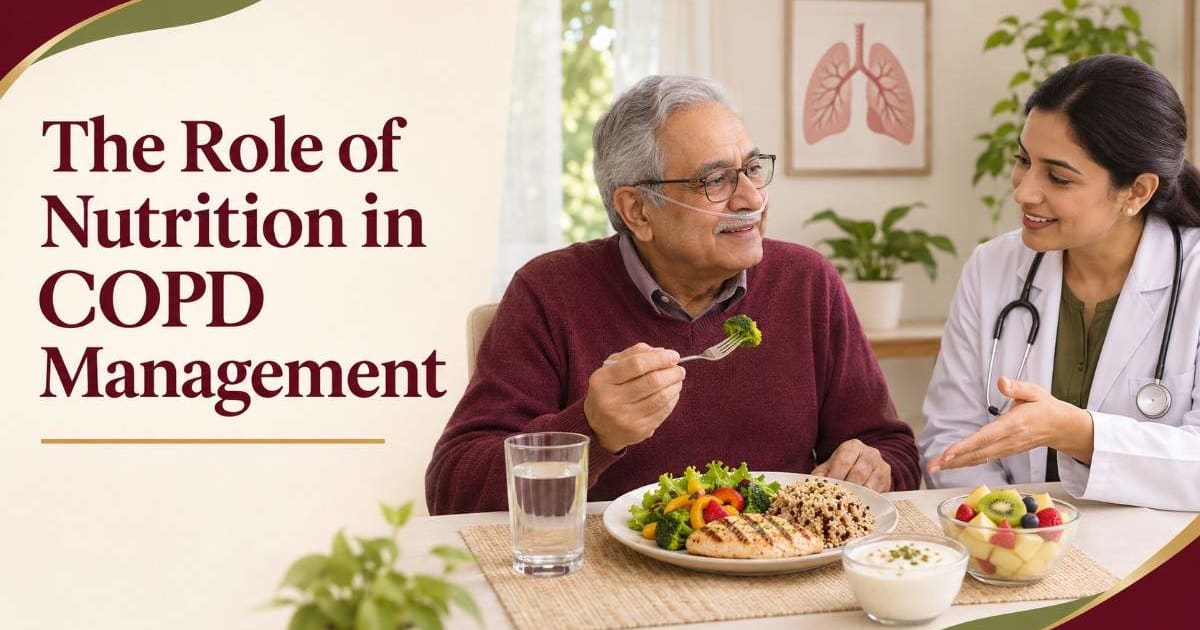
Breathing can require more energy for people with COPD, particularly when symptoms are severe. At the same time, fatigue and breathlessness may make eating difficult.
Some patients experience unintended weight loss and muscle weakness, which can affect their ability to perform daily activities. Others may be overweight, which can increase the effort required for movement and breathing.
A balanced diet helps provide the nutrients and energy needed to maintain strength and support general health. Nutritional needs differ from person to person, so a suitable eating plan should consider body weight, appetite, activity levels and other medical conditions.
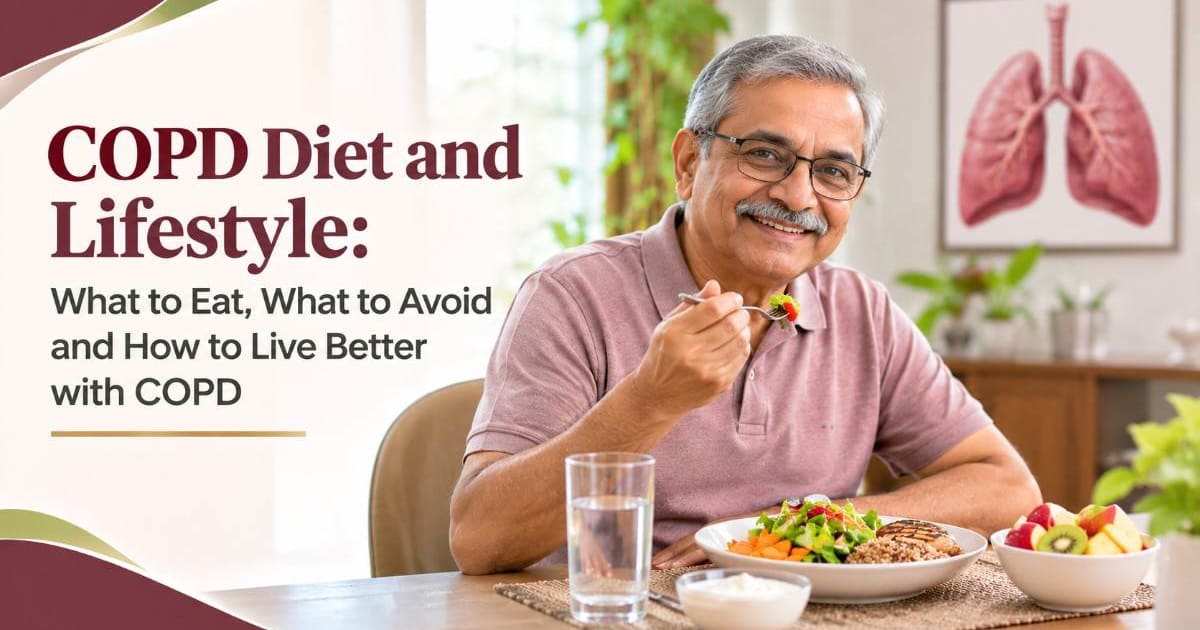
Best Foods to Include in a COPD Diet
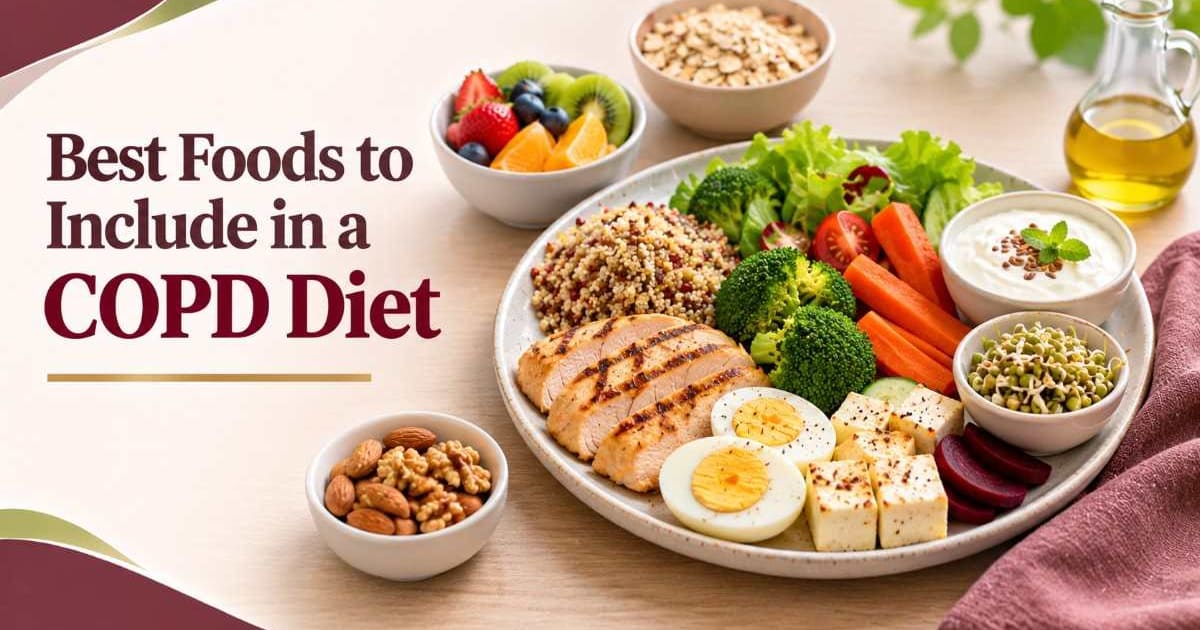
A balanced diet should provide protein, carbohydrates, healthy fats, vitamins, minerals and adequate fluids. No single food can treat COPD, so variety and overall nutritional intake matter most.
Protein-Rich Foods for Muscle Strength
Protein supports muscle maintenance, which is particularly important for people experiencing weakness or unintended weight loss.
Suitable protein sources include eggs, fish, poultry, milk, yoghurt, lentils, beans, tofu, nuts and seeds. Including protein-rich foods in meals can help support nutritional needs.
People who struggle to maintain their weight may need additional nutritional support from a registered dietitian.
Fruits and Vegetables for Overall Health
Fruits and vegetables provide vitamins, minerals, fibre and other nutrients that support general health. Options include leafy greens, carrots, tomatoes, apples, citrus fruits and seasonal produce.
Eating a variety of fruits and vegetables is generally more useful than relying on individual foods marketed as remedies. No particular fruit or vegetable can cure COPD.
Grains and Other Energy Sources
Rice, oats, whole grains, potatoes and other starchy foods provide energy for daily activities. Suitable choices and portions depend on appetite, activity level, weight and other health needs.
People who feel full quickly may find smaller portions easier to manage.
Healthy Fats and Hydration
Nuts, seeds and suitable plant oils provide unsaturated fats and can contribute to a balanced diet. People who need to increase their energy intake may benefit from including energy-dense foods, depending on their individual requirements.
Adequate fluid intake may help keep mucus less thick and easier to clear. However, anyone advised to restrict fluids because of heart, kidney or other medical conditions should follow their healthcare professional's guidance.
Foods and Eating Habits to Limit
There is no universal list of foods that every person with COPD must avoid. Unnecessary food restrictions can reduce nutritional intake and make it harder to maintain strength.
Instead, pay attention to how particular foods affect your comfort and symptoms.
Large meals: A very full stomach may make breathing feel more uncomfortable. Smaller portions may be easier to tolerate.
Fizzy drinks: Carbonated drinks can cause bloating in some people.
Highly processed foods: Foods high in sodium, added sugars or unhealthy fats are best limited as part of a balanced diet.
Foods that trigger reflux: If certain meals cause heartburn, discuss suitable adjustments with a healthcare professional.
Dry or hard-to-chew foods: Softer textures may be easier if chewing makes you breathless.
Dairy products, beans and cruciferous vegetables do not need to be avoided by everyone with COPD. Dietary changes should be based on personal tolerance and professional advice.
Meal Planning Tips for Easier Eating
When fatigue, breathlessness or poor appetite affects mealtimes, small changes may make eating more manageable.
Try smaller, more frequent meals if large meals cause discomfort.
Rest before eating and sit upright during meals.
Eat slowly and take manageable bites.
Choose softer foods if chewing is tiring.
If drinks make you feel full quickly, consider having more fluids between meals, provided you have no medical fluid restriction.
Prepare simple meals in advance or seek help with cooking when necessary.
If your appetite remains poor, eating becomes increasingly difficult or your weight drops unexpectedly, consult your healthcare team.
Exercise and Pulmonary Rehabilitation

Appropriate physical activity can help people with COPD maintain muscle strength, mobility and exercise tolerance. The right activity level depends on symptoms, overall health and disease severity.
Pulmonary rehabilitation may be especially beneficial. It can combine supervised exercise, breathing techniques, education and strategies for managing breathlessness.
People with significant symptoms or other health concerns should seek medical guidance before starting a new exercise programme. A healthcare professional can help determine a safe and suitable approach.
Breathing Techniques and Fatigue Management
Pursed-lip breathing is one technique that may help some people manage breathlessness. It involves breathing in gently through the nose and breathing out slowly through lips held as if whistling. A healthcare professional can demonstrate the technique and explain when to use it.
Fatigue management also involves pacing activities, taking regular breaks and dividing demanding tasks into smaller steps. Sitting while preparing meals, planning activities in advance and asking for help with physically demanding chores may help conserve energy.
These techniques can support symptom management but do not replace prescribed treatment.
Lifestyle Changes for Better COPD Management
Smoking Cessation and Reduced Exposure
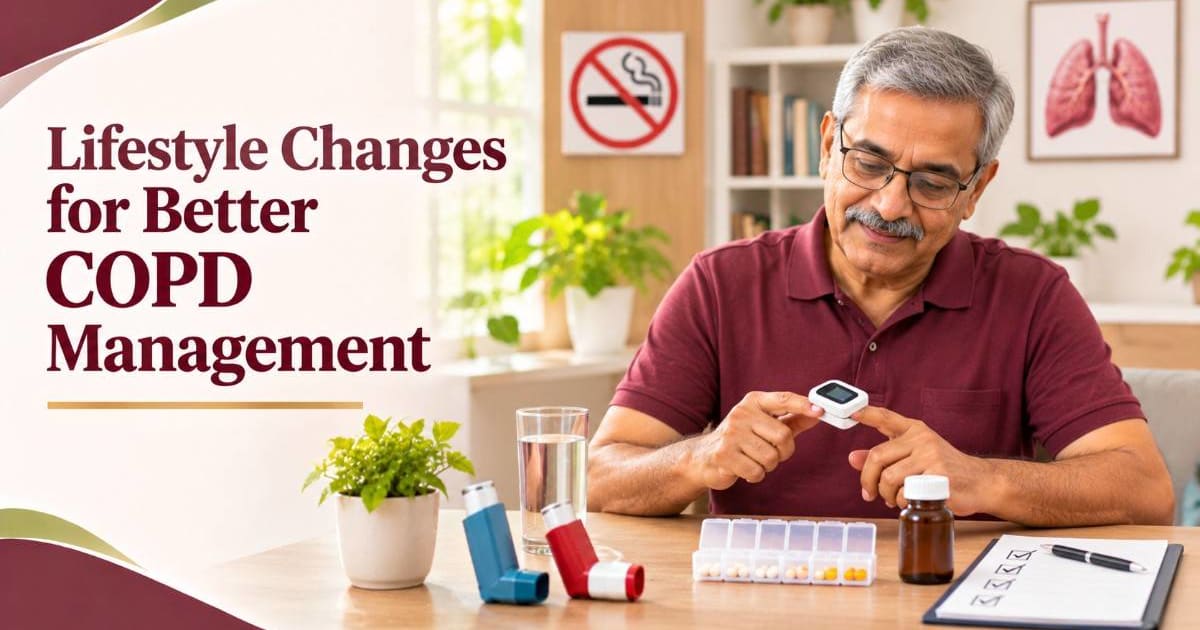
Stopping smoking is one of the most important steps for people with COPD who smoke. It can slow further loss of lung function and improve health outcomes. Healthcare professionals can provide advice on cessation support and suitable treatments.
Where possible, reduce exposure to second-hand smoke, household smoke from biomass fuels, air pollution, workplace dust and harmful fumes.
Medication Adherence and Preventive Care
Use prescribed inhalers and medicines as directed. Ask your healthcare professional to check your inhaler technique and attend regular appointments to review symptoms and treatment.
Vaccinations, when recommended, can help reduce the risk of certain respiratory infections. Discuss appropriate preventive measures with your healthcare team.
Weight Management and Symptom Monitoring
Both unintended weight loss and excess weight can affect people with COPD. Some patients need nutritional support to maintain weight and muscle, while others may benefit from gradual weight reduction. Weight management should be individualised rather than based on one target for everyone.
Seek medical review for unexplained weight changes, reduced appetite, new ankle swelling, worsening breathlessness or changes in coughing and sputum. Severe breathlessness at rest, bluish lips, confusion or marked drowsiness require emergency medical attention.
Finding Respiratory Specialists Through GetBeds
COPD management may involve a pulmonologist, a registered dietitian and a pulmonary rehabilitation team. GetBeds helps patients discover hospitals, explore hospital information and find relevant doctors or specialists who can assess their needs and guide further care.
Conclusion
A balanced diet and appropriate lifestyle changes can support people living with COPD by helping maintain strength, energy and general health. Prioritise varied, nutritious meals, suitable physical activity, smoking cessation and adherence to prescribed treatment.
Since nutritional needs and symptoms differ, avoid unnecessary dietary restrictions and seek professional guidance when managing weight, appetite or exercise. A personalised care plan can help support daily functioning and overall well-being.
Frequently Asked Questions
A balanced diet containing protein-rich foods, fruits, vegetables, suitable grains and healthy fats can support overall health and muscle strength. Individual needs depend on weight, appetite, symptoms and other medical conditions.
No food universally worsens COPD. Large meals, fizzy drinks or particular foods may cause bloating or discomfort in some people. Highly processed foods high in sodium, added sugars or unhealthy fats are best limited.
Yes. Appropriate physical activity and pulmonary rehabilitation can help maintain strength and improve exercise tolerance. Exercise should be tailored to the person's symptoms and medical condition.
Not everyone with COPD needs to lose weight. Some people need to prevent weight loss or regain muscle, while others may benefit from gradual weight reduction under professional guidance.
Good nutrition supports strength and general health, but no diet can cure COPD or reverse lung damage. Smoking cessation, prescribed treatment and reducing harmful exposures are
important parts of COPD management.
Disclaimer:
This blog is for informational purposes only and does not constitute scientific recommendations. Always consult a certified healthcare expert for analysis and remedies.