Share this Article
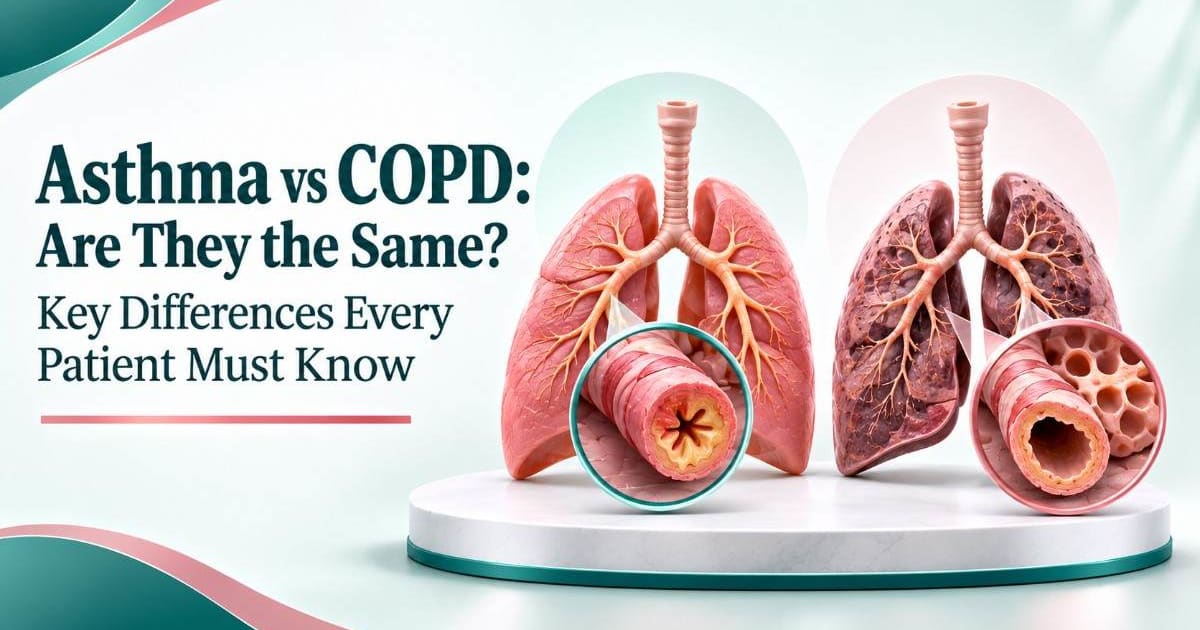
Asthma and Chronic Obstructive Pulmonary Disease (COPD) are respiratory conditions that can cause breathlessness, coughing and wheezing. Because their symptoms often overlap, it can be difficult to understand how they differ. However, asthma and COPD have distinct characteristics, risk factors and treatment approaches.
Recognising these differences can help patients understand their symptoms and seek appropriate medical care. While both conditions require proper management, an accurate diagnosis is essential to determine the most suitable treatment.
Understanding Asthma
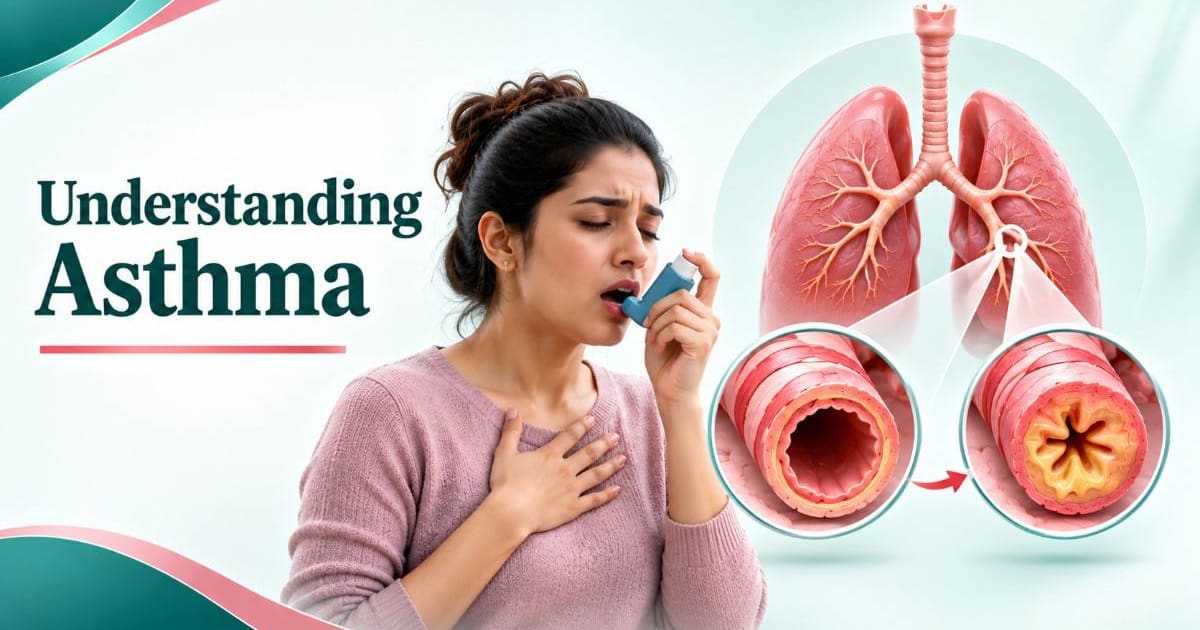
Asthma is a chronic condition in which the airways become inflamed and sensitive. The muscles around the airways may tighten, while swelling and excess mucus can further restrict airflow.
Asthma symptoms often vary over time. Some people experience occasional episodes, while others have frequent symptoms that affect sleep and daily activities. Common triggers include dust, pollen, smoke, air pollution, respiratory infections, exercise and cold air.
Common symptoms include:
Wheezing or whistling sounds while breathing
Shortness of breath
Chest tightness
Coughing, particularly at night or early in the morning
Airflow obstruction in asthma is often variable and may improve with appropriate treatment.
Understanding COPD
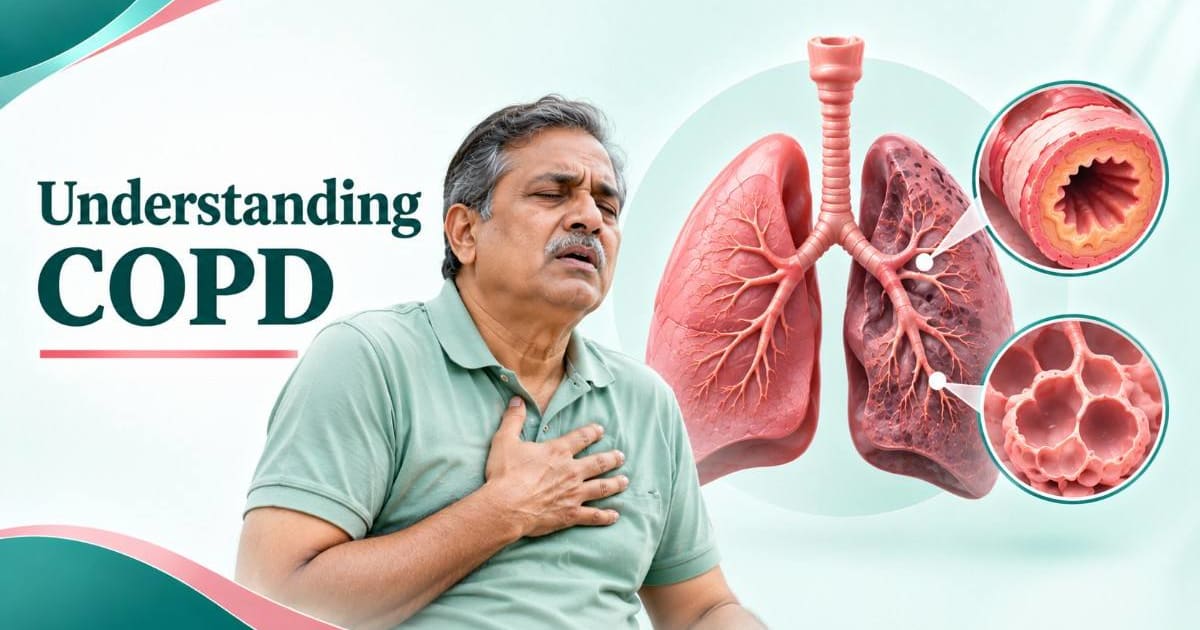
COPD is a chronic lung disease that restricts airflow and makes breathing difficult. It includes emphysema and chronic bronchitis. Long-term exposure to tobacco smoke, air pollution, occupational dust and harmful fumes can increase the risk of developing COPD.
Unlike the variable symptoms commonly seen in asthma, COPD often causes persistent breathing difficulties that may gradually worsen.
Common symptoms include:
Persistent coughing
Regular mucus or phlegm production
Breathlessness, particularly during physical activity
Wheezing or chest tightness
Fatigue and reduced exercise tolerance
Some people with COPD also experience exacerbations, during which breathlessness, coughing or mucus production becomes noticeably worse.
Key Differences Between Asthma and COPD
Feature | Asthma | COPD |
Typical onset | Often begins in childhood but can develop at any age | More common in adults, particularly after prolonged exposure to risk factors |
Common risk factors | Allergens, smoke, infections and other triggers | Tobacco smoke, air pollution and occupational exposures |
Symptom pattern | Often varies over time | Usually persistent |
Airflow obstruction | Often variable and reversible | Generally persistent, although some reversibility may occur |
Common symptoms | Wheezing, coughing, chest tightness and breathlessness | Breathlessness, chronic cough, mucus production and fatigue |
Diagnosis | Clinical assessment and lung function testing | Clinical assessment, exposure history and spirometry |
Treatment | Usually includes inhaled corticosteroid-containing medication | Often includes bronchodilator inhalers and other treatments when indicated |
These are general differences rather than absolute rules. Symptoms and age alone cannot reliably establish a diagnosis.
Diagnosis and Lung Function Testing
Doctors consider symptoms, medical history, family history, smoking history and exposure to environmental irritants when assessing respiratory conditions.
Spirometry is an important test for diagnosing COPD. It measures how much air a person can exhale and how quickly they can do so. Testing before and after a bronchodilator may help assess changes in airflow.
For suspected asthma, doctors look for variable symptoms and evidence of variable airflow limitation. Additional tests may be recommended when the diagnosis is uncertain.
Features of asthma and COPD can sometimes coexist. A pulmonologist can assess the findings and determine the most appropriate treatment approach.
Treatment Options for Asthma and COPD

Treatment depends on the diagnosis, symptom severity and individual medical needs.
Asthma treatment: Inhaled corticosteroid-containing medication is central to controlling airway inflammation. Depending on the patient's condition, doctors may prescribe additional inhalers or other medicines. Identifying triggers and following an asthma action plan can also help manage symptoms.
COPD treatment: Bronchodilator inhalers are commonly used to improve airflow and reduce breathlessness. Some patients may benefit from additional medication, pulmonary rehabilitation, vaccinations or oxygen therapy when clinically indicated.
For both conditions, correct inhaler technique and regular follow-ups are important. Patients should not stop or change prescribed medication without consulting their healthcare professional.
When Asthma and COPD Occur Together
Some people have both asthma and COPD. For example, a person with asthma may develop persistent airflow limitation, or someone with COPD may also have features of asthma.
Doctors assess these conditions individually rather than assuming that overlapping symptoms represent a single separate disease. When asthma is present alongside COPD, treatment must also address asthma-related risks.
Severity and Long-Term Health Risks
Neither asthma nor COPD is automatically more dangerous in every situation. The risk depends on disease severity, symptom control, exacerbations and other health conditions.
A severe asthma attack can be life-threatening, while COPD can cause significant long-term breathing difficulties and repeated exacerbations. Both conditions need appropriate treatment and monitoring.
Asthma does not simply turn into COPD. However, some people with longstanding asthma develop persistent airflow limitation, and people with asthma can independently develop COPD due to other risk factors, including smoking.
When to Consult a Pulmonologist
Consult a pulmonologist if you experience recurring wheezing, persistent coughing, breathlessness during routine activities or respiratory symptoms that interfere with sleep and daily life.
Sudden or severe breathlessness, difficulty speaking because of breathing problems, bluish lips or confusion require emergency medical attention.
Finding Respiratory Specialists Through GetBeds

Understanding respiratory symptoms is an important first step towards appropriate care. GetBeds helps patients discover hospitals, explore hospital information and find doctors or specialists, including pulmonologists, for further assessment and medical guidance.
Conclusion
Asthma and COPD can cause similar symptoms, but they differ in their underlying characteristics, symptom patterns and treatment approaches. Asthma commonly involves variable airway narrowing, while COPD generally causes persistent airflow limitation.
Since the symptoms can overlap, proper evaluation and lung function testing are essential. With an accurate diagnosis, appropriate treatment and regular medical follow-ups, patients can work towards better symptom management and daily functioning.
Frequently Asked Questions
Asthma usually involves variable airway inflammation and narrowing, while COPD generally causes persistent airflow limitation. Their symptoms can overlap, so medical assessment is important.
Doctors review symptoms, medical history, risk factors and lung function test results. Spirometry is particularly important when assessing COPD.
Yes. Both conditions can coexist. A doctor evaluates the patient's history and test results to guide treatment.
Neither condition is always more dangerous. Both can become serious, depending on severity, symptom control and other health factors.
Asthma does not simply turn into COPD. However, some people with asthma develop persistent airflow limitation, and asthma and COPD can occur together.
Disclaimer:
This blog is for informational purposes only and does not constitute scientific recommendations. Always consult a certified healthcare expert for analysis and remedies.