Share this Article
Chronic Obstructive Pulmonary Disease (COPD) is a long-term lung condition that restricts airflow and makes breathing difficult. It includes chronic bronchitis and emphysema, which can cause persistent coughing, mucus production, wheezing, and breathlessness. Smoking, air pollution, and prolonged exposure to dust and chemical fumes are common risk factors.
Although COPD has no cure, appropriate treatment can help control symptoms, reduce flare-ups, and improve quality of life. Depending on the patient's condition, treatment may include inhalers, medicines, oxygen therapy, pulmonary rehabilitation, lifestyle changes, and surgery for selected severe cases.
How Is COPD Treated?
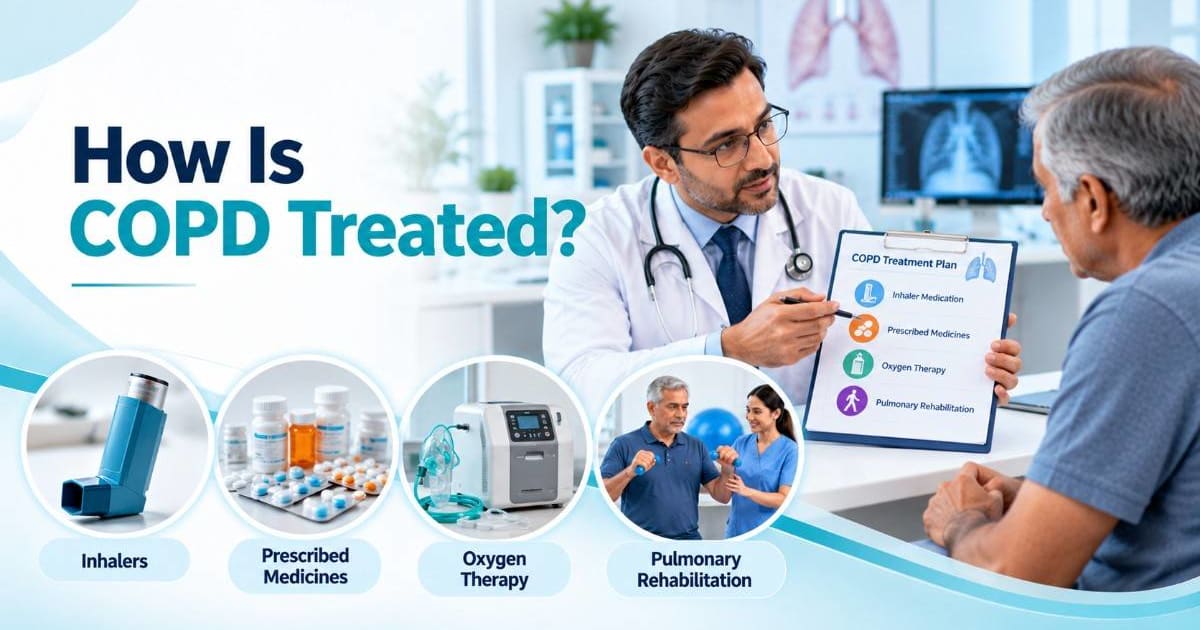
COPD treatment depends on symptoms, lung function, previous exacerbations, and overall health. A pulmonologist may recommend a combination of treatments to improve breathing and help patients maintain daily activities. Regular follow-ups are important because treatment needs can change over time.
Inhalers for COPD
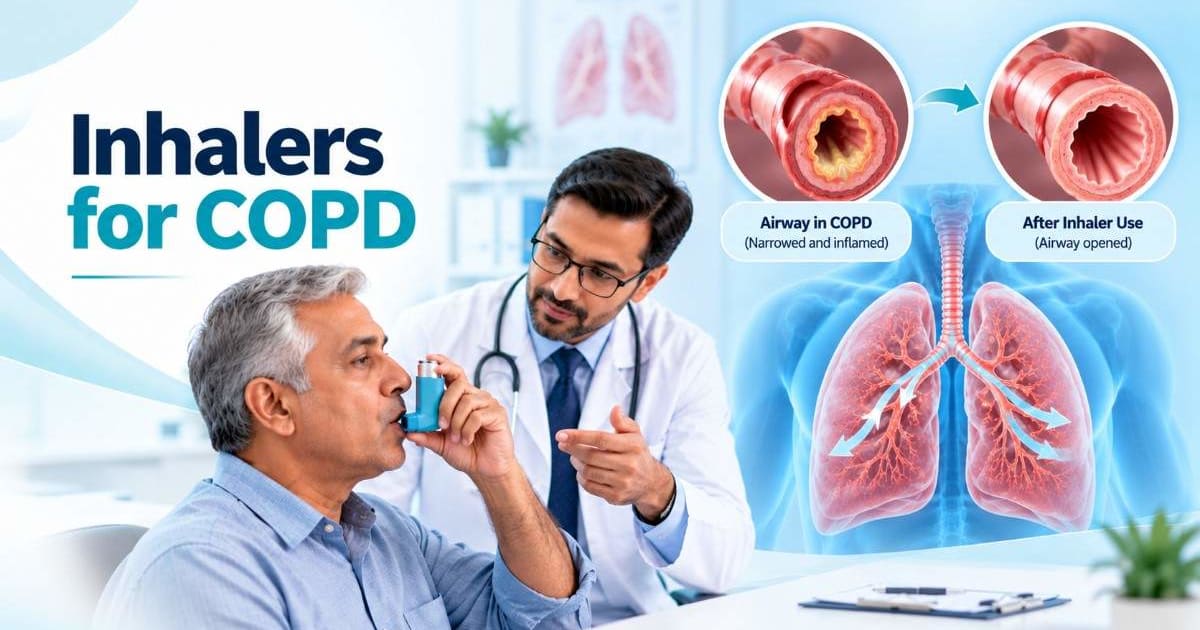
Inhalers deliver medication directly into the airways. They help relax airway muscles, reduce inflammation, and control breathing difficulties.
Short-Acting Bronchodilators
Short-acting bronchodilators, also called rescue inhalers, provide quick relief when breathlessness or wheezing increases. Medicines such as salbutamol help relax airway muscles and improve airflow. If symptoms worsen or rescue inhalers are needed more frequently, medical assessment is important.
Long-Acting Bronchodilators
Long-acting bronchodilators help keep the airways open for longer and are generally used regularly.
LABAs: Medicines such as salmeterol relax airway muscles.
LAMAs: Medicines such as tiotropium help prevent airway narrowing.
Some patients benefit from using both types together, depending on their symptoms and response to treatment.
Inhaled Corticosteroids and Combination Inhalers
Inhaled corticosteroids reduce airway inflammation and may be prescribed to selected patients with recurrent exacerbations. Combination inhalers contain two or more medicines, such as long-acting bronchodilators and, when appropriate, corticosteroids.
Not everyone with COPD needs corticosteroids. Doctors consider their potential benefits and risks, including pneumonia risk, before prescribing them. Correct inhaler technique is also essential for effective treatment.
Other COPD Medicines
Additional medicines may be recommended according to the patient's symptoms and clinical condition.
Oral corticosteroids: Short courses may help manage certain exacerbations.
Antibiotics: Prescribed when a bacterial infection is suspected.
Mucolytics: Medicines such as carbocisteine may help selected patients clear thick mucus.
Roflumilast: May be considered for certain patients with severe COPD, chronic bronchitis, and recurrent exacerbations.
Patients should take medicines only as prescribed and consult their doctor before making changes.
Oxygen Therapy for COPD
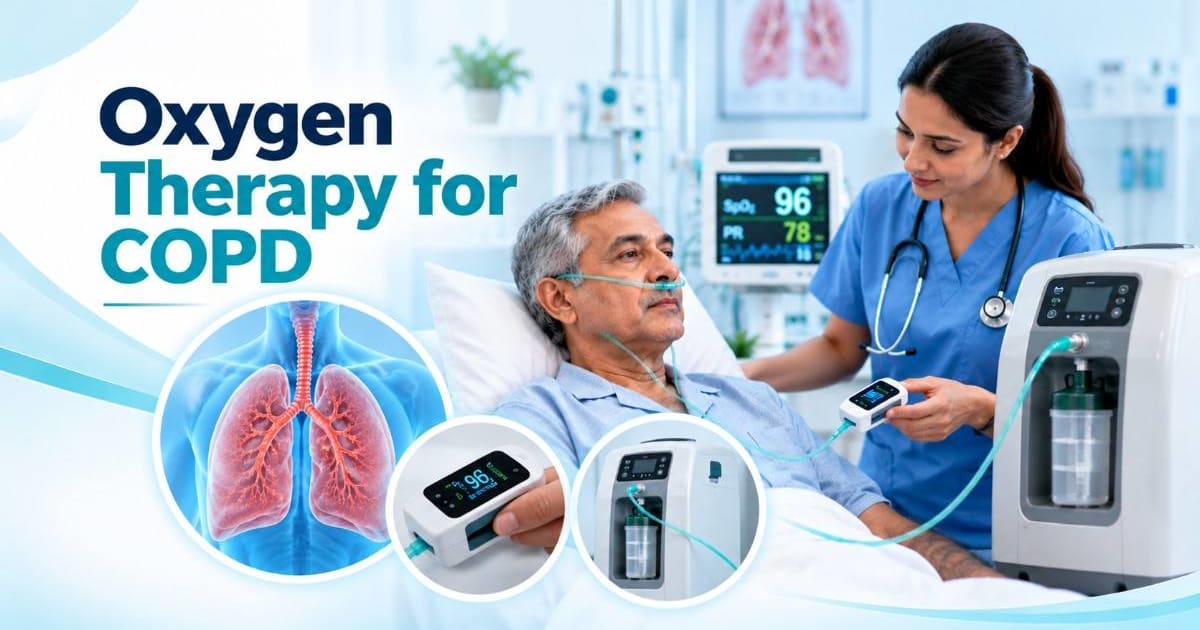
Oxygen therapy may be necessary when tests confirm persistently low blood oxygen levels. Doctors determine whether oxygen is needed and prescribe the appropriate flow rate and duration.
Long-term oxygen therapy can improve survival in patients with severe chronic oxygen deficiency. However, it is not required for everyone with COPD. Patients should follow their prescribed settings and keep oxygen equipment away from smoking and open flames.
Pulmonary Rehabilitation for COPD
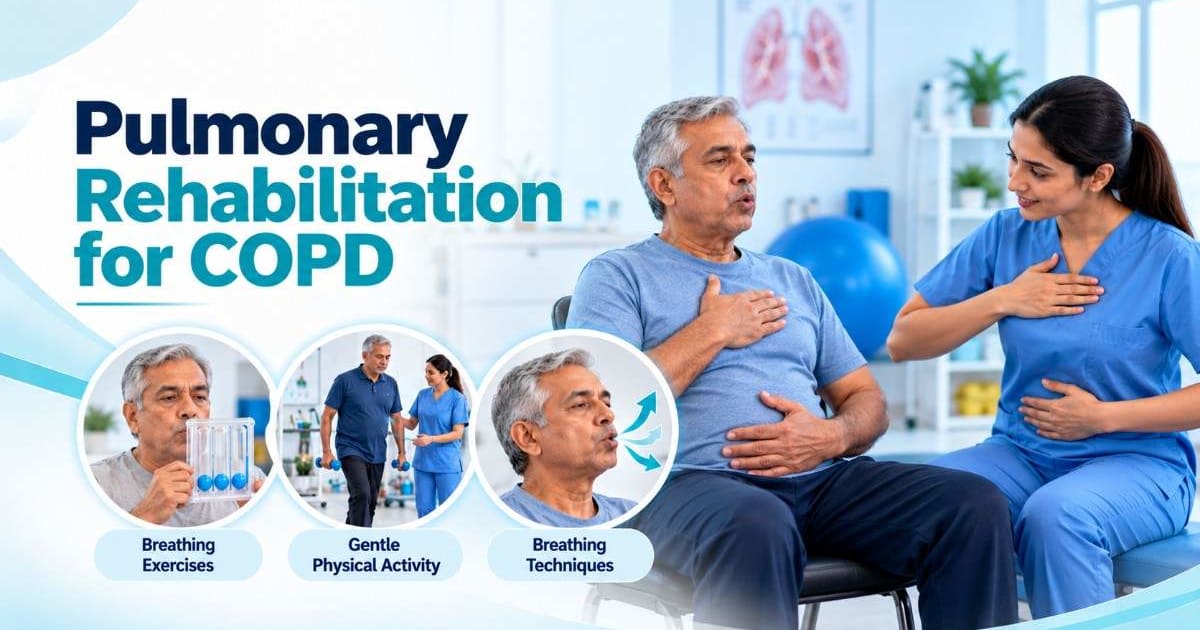
Pulmonary rehabilitation is a structured programme that helps patients manage breathlessness and improve physical endurance. It typically includes supervised exercise, breathing techniques, education, and guidance on managing symptoms.
The programme can help patients perform everyday activities more comfortably and maintain independence. A healthcare professional can determine whether pulmonary rehabilitation is suitable for the patient's condition.
Lifestyle Changes to Support COPD Treatment
Lifestyle changes can support medical treatment and help reduce further lung damage.
Smoking cessation: Quitting smoking is one of the most effective ways to slow further smoking-related lung damage. Professional support may help people who find quitting difficult.
Avoiding lung irritants: Reducing exposure to smoke, dust, chemical fumes, and air pollution may help prevent symptoms from worsening.
Healthy eating and physical activity: A balanced diet supports muscle function, while appropriate exercise helps maintain strength and endurance. Activities should suit the patient's breathing ability.
Vaccinations: Depending on age and medical history, doctors may recommend influenza, COVID-19, and pneumococcal vaccinations to reduce the risk of certain respiratory infections.
Surgery for COPD
Surgery is not necessary for most patients with COPD. It may be considered for selected people with severe disease when medicines and other treatments are insufficient. Specialists assess lung function, imaging results, overall health, and potential benefits before recommending a procedure.
Bullectomy
A bullectomy removes a large air-filled space called a bulla that may compress healthier lung tissue in some patients with emphysema. Removing it may improve breathing in carefully selected cases.
Lung Volume Reduction Surgery
Lung volume reduction surgery (LVRS) removes selected portions of severely damaged lung tissue. In suitable patients, this may allow healthier areas of the lungs to function more effectively.
Bronchoscopic Lung Volume Reduction
Bronchoscopic lung volume reduction (BLVR) is a less invasive procedure for selected patients with severe emphysema. A specialist places small one-way valves in specific airways to reduce airflow into a targeted damaged area, potentially helping healthier lung regions expand.
Lung Transplant
A lung transplant may be considered for selected patients with advanced COPD when other treatments are no longer sufficient. It involves replacing one or both diseased lungs with donor lungs. Patients require careful assessment and lifelong specialist follow-up, including medication to prevent organ rejection.
When to Consult a Pulmonologist
Consult a pulmonologist if you experience persistent coughing, increasing breathlessness, wheezing, frequent respiratory infections, or difficulty performing everyday activities. Seek medical advice if existing treatment becomes less effective or flare-ups become more frequent.
Severe breathing difficulty, confusion, or bluish lips require emergency medical attention.
Finding the Right Specialist for COPD Treatment
A pulmonologist can assess symptoms, interpret lung function tests, and recommend an appropriate treatment plan. GetBeds helps patients explore hospitals and find relevant specialists for their healthcare needs, including pulmonologists for COPD assessment and ongoing respiratory care.
Conclusion
COPD treatment combines inhalers, prescribed medicines, lifestyle changes, and supportive therapies to control symptoms and improve quality of life. Oxygen therapy may help patients with persistently low blood oxygen levels, while pulmonary rehabilitation supports physical functioning. Selected patients with severe disease may benefit from advanced procedures or surgery.
Regular medical follow-up and a personalised treatment plan can help patients manage COPD more effectively.
Frequently Asked Questions
Yes, most patients manage COPD with inhalers, other prescribed medicines, lifestyle changes, and pulmonary rehabilitation. Surgery is reserved for selected cases.
The right inhaler depends on symptoms, lung function, and exacerbation history. A doctor can recommend suitable short-acting, long-acting, or combination inhalers.
Oxygen may be prescribed when tests confirm persistently low blood oxygen levels.
Yes, it can improve exercise tolerance, help manage breathlessness, and support everyday activities.
No, surgery may benefit selected patients, but it is not a guaranteed cure. Ongoing medical care remains important.
Disclaimer:
This blog is for informational purposes only and does not constitute scientific recommendations. Always consult a certified healthcare expert for analysis and remedies.