Share this Article
When it comes to weight loss surgery, one question confuses most patients more than anything else, which is, should you choose sleeve gastrectomy or gastric bypass?
Both procedures are among the most effective bariatric surgery weight loss treatments available today. Both can help patients lose significant weight, improve obesity-related conditions, and achieve a healthier lifestyle. But despite having similar goals, these surgeries work very differently inside the body.
Some patients prefer a simpler surgery with lower long-term nutritional risks, while others may require stronger metabolic results for conditions like severe obesity, Type 2 diabetes, or chronic acid reflux. This is why understanding the difference between sleeve gastrectomy and gastric bypass is extremely important before making a decision.
In this guide, we will compare gastric sleeve vs. gastric bypass in detail, including how the procedures work, expected weight loss results, safety, recovery, long-term side effects, and gastric bypass vs. sleeve gastrectomy cost in India to help you understand which option may suit you better.
What Is a Sleeve Gastrectomy?
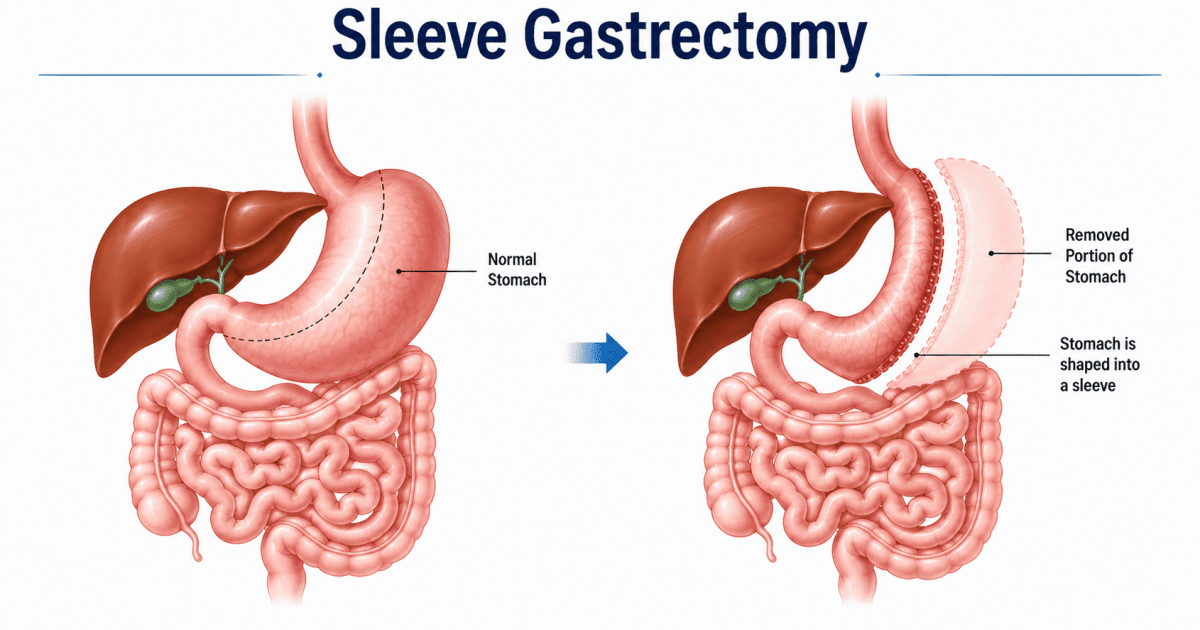
Sleeve gastrectomy, also known as gastric sleeve surgery, is a bariatric procedure in which nearly 70 - 80% of the stomach is removed. The remaining stomach is shaped into a narrow tube, or "sleeve", which significantly limits the amount of food a person can eat.
The surgery mainly works by:
limiting food intake
lowering hunger hormones like ghrelin
helping patients feel full sooner
Since the intestines are not altered, digestion keeps going pretty normally. This is one reason the procedure is often considered technically simpler compared to gastric bypass. Many people choose sleeve surgery because it offers solid weight loss with relatively lower risks of nutritional deficiencies.
What Is Gastric Bypass Surgery?
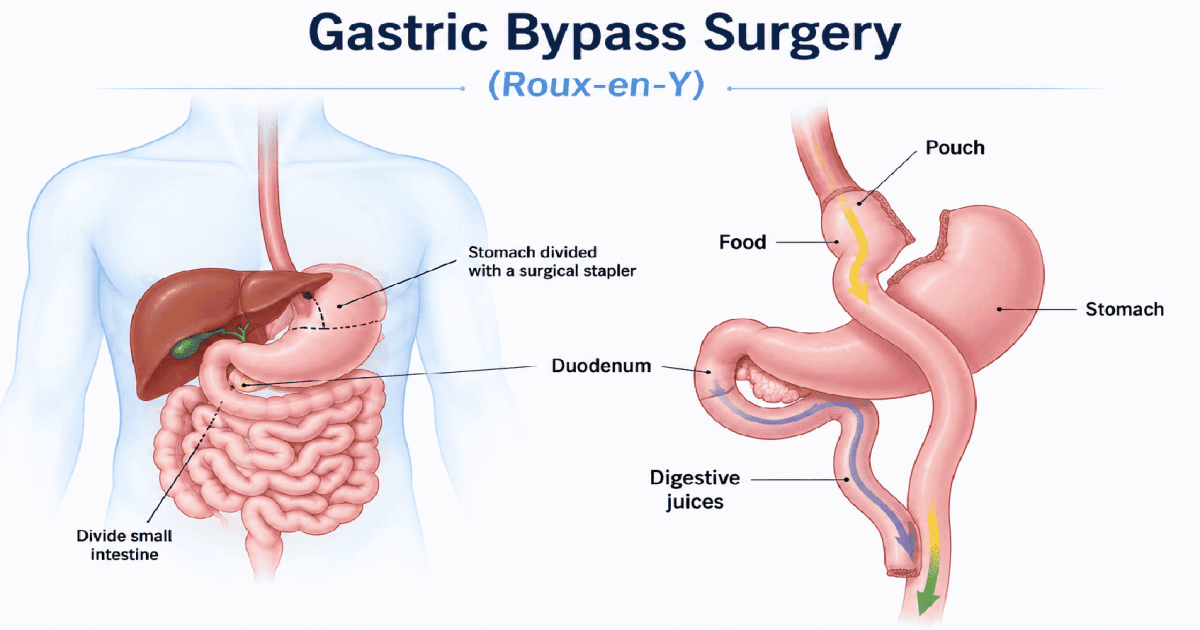
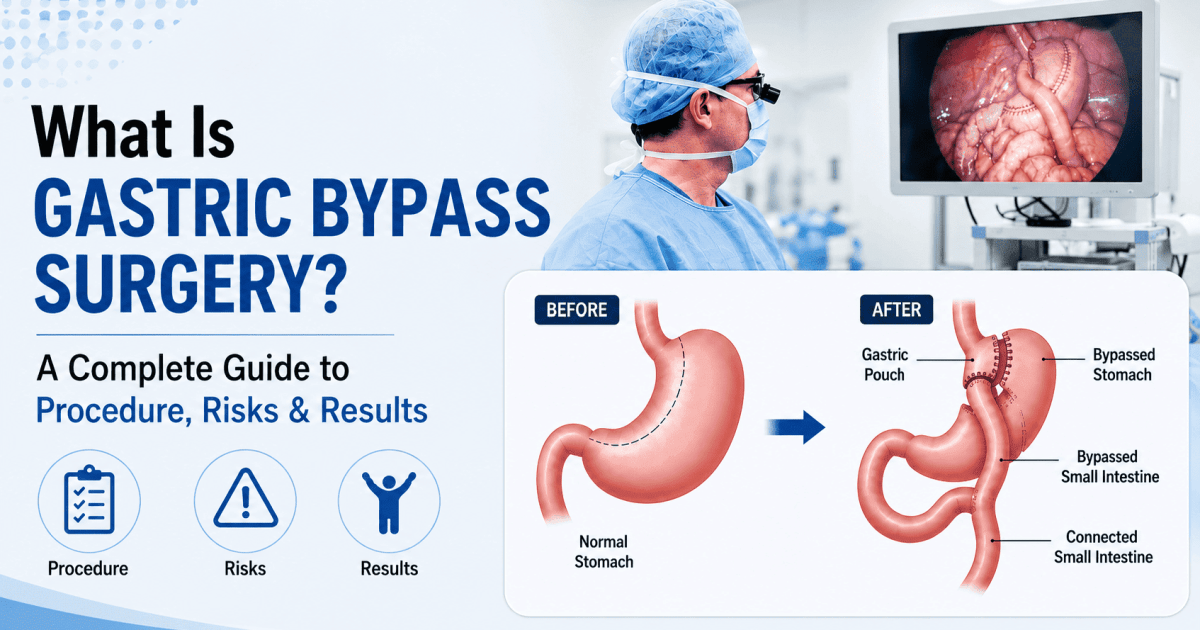
Gastric bypass, commonly called Roux-en-Y gastric bypass, is another highly effective bariatric surgery procedure used for severe obesity and obesity-related conditions.
In this surgery, the surgeon creates a small stomach pouch and reroutes part of the small intestine. As a result, patients eat less food while also absorbing fewer calories.
Unlike sleeve gastrectomy, gastric bypass works through the following:
Restriction
Malabsorption
Hormonal changes
This combined mechanism often results in faster and slightly greater weight loss after gastric bypass surgery.
It is also considered highly effective for improving metabolic conditions such as Type 2 diabetes and severe acid reflux.
Difference Between Sleeve Gastrectomy and Gastric Bypass
Although both surgeries support long-term weight loss, they differ in terms of complexity, recovery, metabolic effects, and nutritional impact.
Feature | Sleeve Gastrectomy | Gastric Bypass |
Procedure | Removes part of stomach | Creates pouch & bypasses intestine |
Mechanism | Restriction only | Restriction + malabsorption |
Weight Loss | 60–70% excess weight | 50–80% excess weight |
Surgery Type | Simpler & shorter | More complex |
Recovery | Slightly faster | Slightly longer |
GERD/Reflux | May worsen reflux | Often improves reflux |
Nutritional Deficiencies | Lower risk | Higher risk |
Diabetes Improvement | Good | Often more effective |
Gastric Sleeve vs Gastric Bypass: Procedure & How It Works
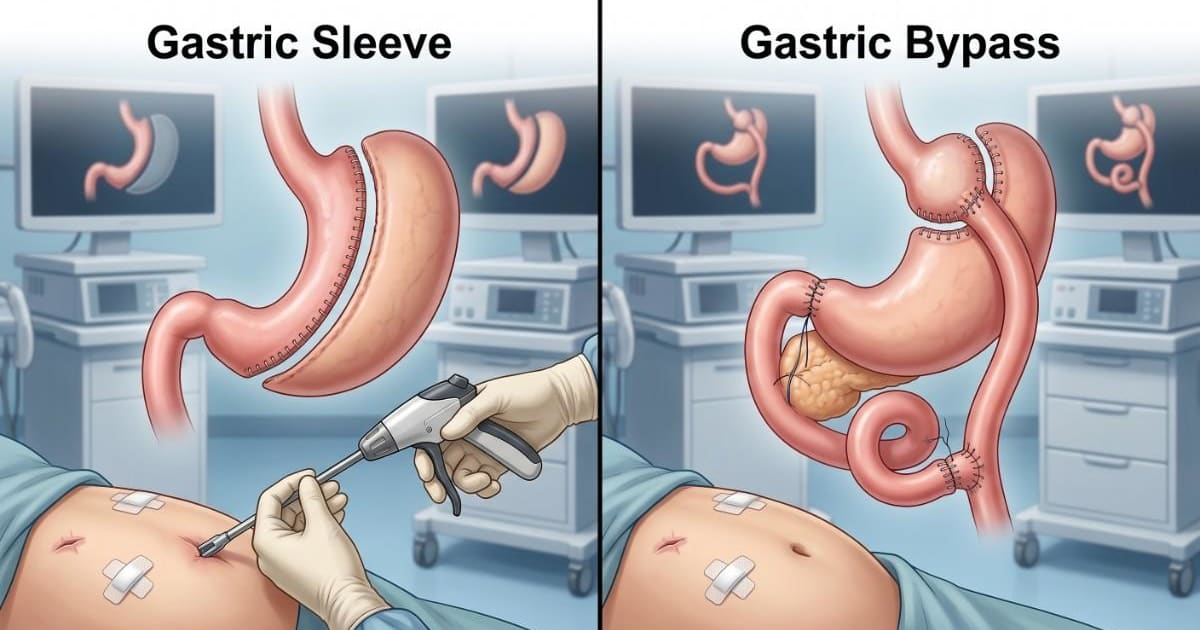
Both procedures are usually performed using minimally invasive laparoscopic techniques. This means smaller incisions, reduced pain, shorter hospital stays, and faster recovery compared to open surgery.
In Sleeve Gastrectomy, the surgeon removes a large portion of the stomach and creates a smaller sleeve-shaped stomach. Since the stomach capacity becomes much smaller, patients feel full after eating very little food. The procedure restricts food intake, reduces appetite hormones, and supports gradual and sustainable weight loss sleeve gastrectomy outcomes.
In Gastric Bypass surgery, the surgeon creates a tiny stomach pouch and reroutes the small intestine. Food bypasses part of the digestive tract, reducing calorie absorption. This procedure restricts food intake, reduces calorie absorption, and improves metabolism and blood sugar control. Because of these metabolic effects, Gastric Bypass is often preferred for patients with severe obesity or uncontrolled diabetes.
Which Surgery Causes More Weight Loss?
Both sleeve gastrectomy and gastric bypass deliver impressive long-term results when combined with healthy lifestyle habits. However, gastric bypass generally results in faster weight loss, slightly higher long-term weight reduction, and better metabolic improvements.
Patients undergoing sleeve gastrectomy typically lose around 60–70% of excess body weight, while gastric bypass patients may lose around 50–80% of excess weight. The actual outcome depends heavily on diet and nutrition, exercise habits, existing medical conditions, and long-term lifestyle commitment. No surgery can deliver permanent results without healthy habits after the procedure.
Laparoscopic Sleeve Gastrectomy vs Gastric Bypass: Risks & Safety

Modern laparoscopic techniques have made both surgeries safer than ever before. Still, every bariatric procedure carries some level of risk.
Sleeve gastrectomy side effects may include acid reflux or GERD, nausea, staple-line leakage, temporary digestive discomfort, and weight regain if lifestyle changes are not maintained. Since the intestines are not bypassed, the risk of severe nutritional deficiencies is generally lower.
On the other hand, long-term gastric bypass side effects may include nutritional deficiencies, dumping syndrome, gallstones, ulcers, bowel obstruction, and vitamin and mineral malabsorption. Patients who undergo gastric bypass usually require lifelong vitamin supplementation and regular medical monitoring.
Despite these risks, both surgeries are considered safe when performed by an experienced bariatric surgeon.
Which Surgery Is Better for Type 2 Diabetes?
For patients struggling with severe type 2 diabetes, gastric bypass is often considered the more effective option.
The surgery creates powerful hormonal and metabolic changes that improve blood sugar control rapidly, sometimes even before significant weight loss occurs.
Sleeve gastrectomy can also improve diabetes, but gastric bypass generally provides the following:
Faster diabetes improvement
Better insulin sensitivity
Stronger metabolic results
This is one of the main reasons many bariatric specialists recommend bypass surgery for diabetic patients with severe obesity.
Which Surgery Is Better for Acid Reflux?
Acid reflux or GERD is another important factor when choosing between the two procedures.
Sleeve gastrectomy may worsen acid reflux symptoms in some patients because of changes in stomach pressure.
Gastric bypass, however, often improves or completely resolves severe GERD symptoms.
Patients already dealing with chronic acid reflux are usually advised to discuss gastric bypass as a preferred option.
Gastric Bypass vs Sleeve Gastrectomy: Cost in India
The gastric bypass vs. sleeve gastrectomy cost in India depends on several factors like hospital infrastructure, surgeon’s experience, type of surgery, city and location, and postoperative support and follow-ups.
On average, a sleeve gastrectomy may cost between ₹2.5 lakh and ₹5 lakh, and a gastric bypass may cost between ₹3 lakh and ₹6.5 lakh.
Since gastric bypass is a more complex procedure involving intestinal rerouting, it is usually more expensive.
Which One Is Right for You?
The right surgery depends entirely on your health condition, BMI, eating habits, lifestyle, and long-term goals.
A sleeve gastrectomy may be suitable if the following are true:
You want a simpler procedure
You prefer lower long-term nutritional risks
You do not suffer from severe acid reflux
You want slightly faster recovery
Gastric bypass may be a better option if the following are true:
You have severe obesity or a BMI above 45
You suffer from uncontrolled Type 2 diabetes
You experience chronic GERD or acid reflux
You need stronger metabolic improvements
You want slightly greater long-term weight loss
A detailed consultation with a bariatric specialist is always necessary before deciding on the most suitable surgery.
Conclusion
Both sleeve gastrectomy and gastric bypass are highly effective bariatric procedures that can significantly improve weight, overall health, and quality of life.
While sleeve gastrectomy is considered simpler with lower nutritional risks, gastric bypass often provides stronger weight loss and better metabolic improvements, especially for patients with severe obesity, GERD, or type 2 diabetes.
Understanding the difference between sleeve gastrectomy and gastric bypass helps patients make informed decisions based on their medical needs and lifestyle goals. To explore trusted hospitals, experienced bariatric surgeons, and treatment options, GetBeds can help you make informed healthcare decisions.
Ultimately, the best surgery is the one that aligns with your health condition, long-term expectations, and your bariatric surgeon's recommendations.
Frequently Asked Questions
Sleeve gastrectomy removes a large portion of the stomach to reduce food intake, while gastric bypass creates a small stomach pouch and bypasses part of the intestine to reduce both food intake and calorie absorption.
Gastric bypass generally results in slightly greater and faster weight loss compared to sleeve gastrectomy.
Sleeve gastrectomy is often considered slightly safer in the short term because it is a simpler procedure with lower nutritional risks.
Yes, in some cases a sleeve gastrectomy can later be converted to a gastric bypass if additional weight loss or reflux management is needed.
Gastric bypass is generally considered more effective for managing or improving type 2 diabetes.
Sleeve gastrectomy may cause acid reflux and possible weight regain, while gastric bypass may lead to nutritional deficiencies, dumping syndrome, and long-term malabsorption issues.
Disclaimer:
This blog is intended for informational purposes only and does not constitute medical advice. Always consult a qualified healthcare professional for diagnosis and treatment.