Share this Article
If you've tried diets, workouts, and medications but still struggle with obesity, sleeve gastrectomy might be a solution worth knowing about. It's one of the most commonly performed weight-loss surgeries today and for good reason. This guide covers everything you need to know in simple, clear language.
What is a sleeve gastrectomy?

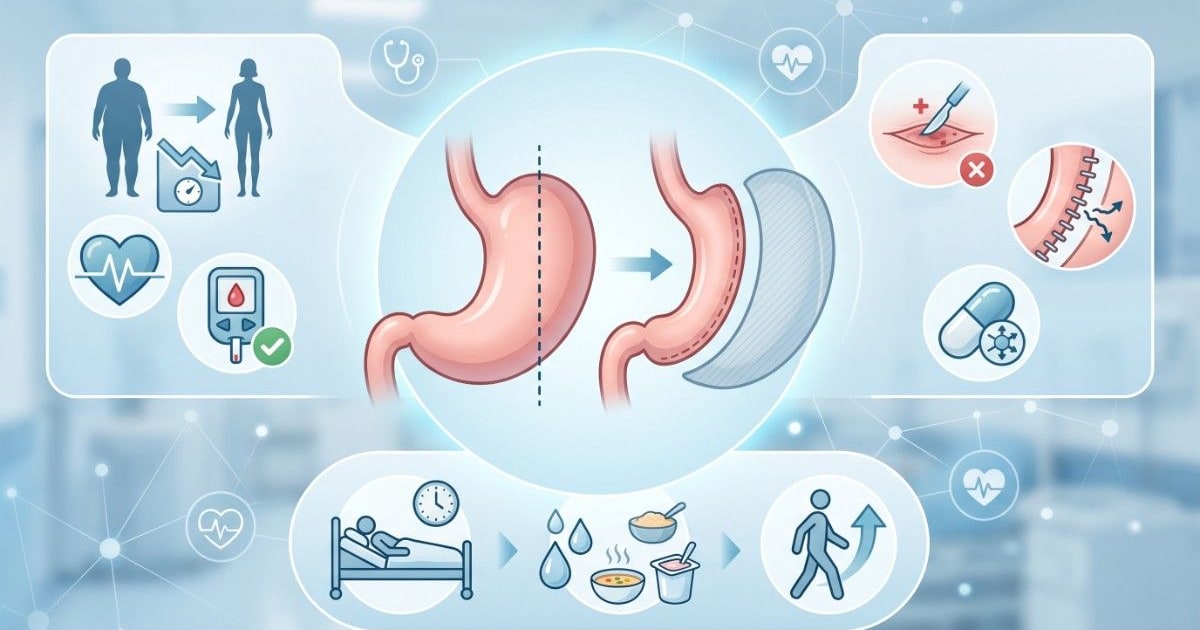
The medical procedure sleeve gastrectomy, which experts refer to as gastric sleeve surgery or VSG (Vertical Sleeve Gastrectomy), requires doctors to remove 75–80% of the stomach as a permanent weight loss solution. The surgical procedure transforms the stomach into a slim tube that maintains its banana-like dimensions.
This smaller stomach does two essential functions, which include the following:
Restricts your maximum food intake capacity for each eating session
Reduces ghrelin production, which serves as the hunger hormone responsible for appetite control.
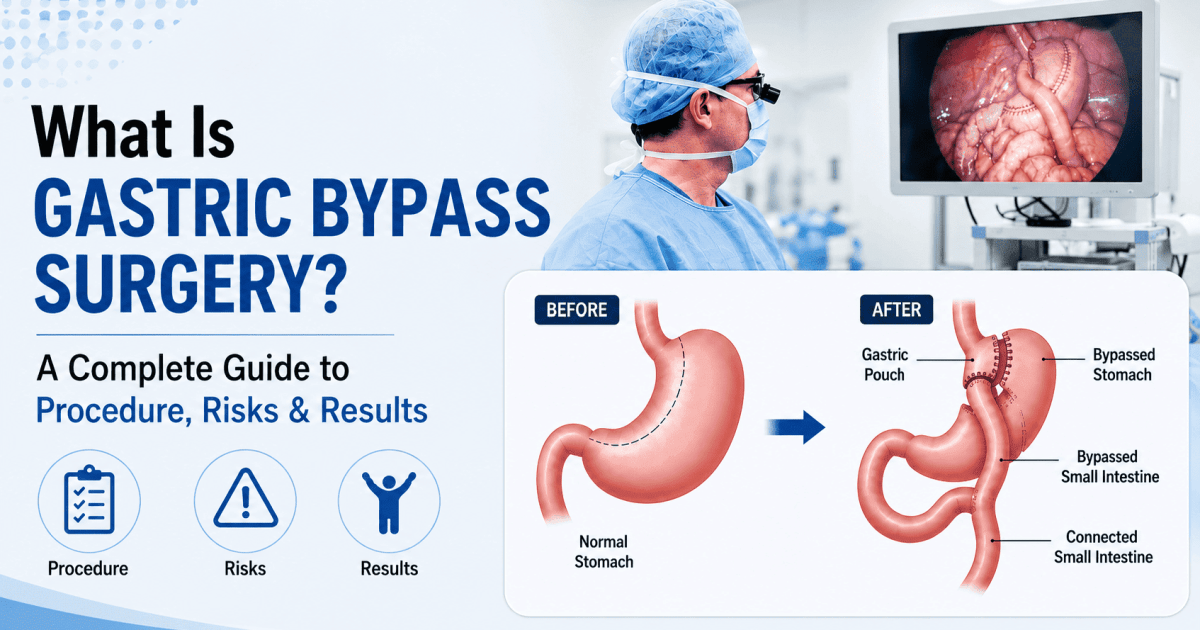
Unlike gastric bypass, sleeve gastrectomy does not reroute your intestines, making it a simpler and safer procedure with less danger of developing nutritional deficiencies.
The surgery uses laparoscopic techniques which require only small incisions to perform the operation while patients receive general anaesthesia for a duration of 1 to 2 hours.
Who is a Candidate for sleeve gastrectomy?
The medical procedure sleeve gastrectomy requires specific criteria that protect against unauthorised access for potential candidates. The evaluation process confirms your body's readiness for upcoming surgical procedures. You may be a suitable candidate if:
Have a body mass index (BMI) of 40 or above.
Have a body mass index (BMI) of 35 or above, but you also have obesity-related medical conditions such as type 2 diabetes or high blood pressure or sleep apnea.
Have already attempted weight loss through diet and exercise and medication but experienced no success.
Are mentally prepared to make permanent changes to your lifestyle after the surgical procedure.
Before anything is decided, you’ll undergo thorough medical, nutritional, and psychological assessments to determine you’re fully prepared for the surgery and subsequent changes before any surgical decisions take place.
How is the Procedure Actually Done?
Before Surgery
The medical staff will perform blood tests and imaging tests and nutritional tests and psychological tests on you for all your scheduled activities. The surgeon requires you to eat only low-calorie food items and liquid drinks during the three weeks before your surgery. The method improves medical operation safety because it reduces liver size to create surgical paths for doctors to use during procedures.
During Surgery
The surgeon creates multiple small incisions which he makes in the abdominal region. The surgeons establish the stomach shape through a sizing tube before they proceed to the stomach exterior section removal, which they execute through stapling. The remaining stomach section, which resembles a sleeve shape, must be closed by the surgical team. The operation requires all staff members to follow established protocols while working at their normal operational speed.
After Surgery
The recovery area will monitor your vital signs continuously from the moment you arrive there. Patients spend one to three days at hospitals before they are discharged to go home.
Benefits of Sleeve Gastrectomy

The benefits go well beyond the number on the scale. Here's what many patients experience:
Most people lose somewhere between 60-70 percent of their excess body weight within the first year
Conditions like type 2 diabetes, high blood pressure, sleep apnea, and high cholesterol often improve significantly and, in some cases, go into remission
Hunger reduces noticeably because ghrelin levels drop after surgery
Energy levels improve, mobility gets easier, and confidence tends to follow
Long-term studies show removal and better weight maintenance compared to non-surgical approaches
Risks and Complications
It would be very unfair to talk about this surgery without being upfront about the risks. The specific dangers associated with surgical procedures must be acknowledged by people involved in the procedure. These include:
Common: Nausea, vomiting, acid reflux (GERD), fatigue
Less Common: Staple line leakage, bleeding, infection, blood clots
Long-Term: Nutritional deficiencies (iron, B12, vitamin D), weight regain if lifestyle changes aren't maintained, narrowing of the sleeve
Bariatric surgeons who possess experience and who execute procedures with optimal post-operative care methods significantly reduce risk factors during their surgical operations.
Recovery: A Realistic Timeline

Days 1 to 3 are spent in the hospital. Pain is managed with medication, and you'll be on clear liquids only.
Weeks 1 and 2 at home involve rest, a liquid diet, and very light movement like short walks. Don't push it.
Weeks 3 to 6 allow for soft foods and gradually increasing physical activity. Most people start feeling more like themselves around this point.
Months 2 and 3 bring a return to most normal activities and a much wider range of solid foods, though portion sizes stay small.
Your diet will evolve in stages: clear liquids first, then protein shakes, then pureed foods, then soft foods, and finally regular textured meals in small portions. Daily targets typically include 60 to 90 grams of protein and around 1.5 to 2 litres of water sipped steadily throughout the day, never gulped down all at once.
Lifelong vitamin and mineral supplements are not optional. They're a non-negotiable part of the recovery and ongoing health plan.
Aftercare & Lifestyle Changes
Surgery gives you a tool. What you do with it is entirely up to you. The patients who see the best long-term success depend on the following:
Practice mindful eating and avoid overeating
Choose nutrient-rich meals with balanced portions
Cut back on sugary, fried, and heavily processed foods
Maintain proper daily fluid intake
Stay physically active to support fitness and muscle health
Keep up with medical check-ins and recovery guidance
Seek emotional support whenever required
Conclusion
Sleeve gastrectomy is a medical procedure that provides certified treatment options for weight-loss issues suffered by morbidly obese patients who have tried other weight-loss techniques and were unsuccessful with them. The medical procedure makes it feasible for a patient to undergo significant, permanent life changes but would need a medical examination for the patient's proper expectations and to institute a dedicated lifestyle alteration. If you are considering this procedure, GetBeds can help you explore trusted hospitals, experienced bariatric surgeons, and treatment options that match your medical needs before making a decision.
Frequently Asked Questions
Yes, Sleeve gastrectomy is not reversible. A large portion of the stomach is permanently removed. While surgical revisions are possible in rare cases, it's considered a lifelong change.
Most patients can return to desk jobs within 1–2 weeks. Those with physically demanding work may need 3–4 weeks. Always follow your surgeon's specific guidance.
Yes, Many patients see significant improvement in blood sugar levels after surgery. Some even achieve remission from type 2 diabetes, though results vary per individual.
Yes, pregnancy is possible after surgery. However, it's advised to wait 12–18 months post-surgery to allow your weight and nutrition to stabilise. Always coordinate with your doctor and a nutritionist during pregnancy planning.
Not following dietary guidelines can lead to complications like nausea, vomiting, nutritional deficiencies, and weight regain over time. Long-term success is directly tied to your commitment to lifestyle changes after surgery.
Disclaimer:
This blog is intended for informational purposes only and does not constitute medical advice. Always consult a qualified healthcare professional for diagnosis and treatment.