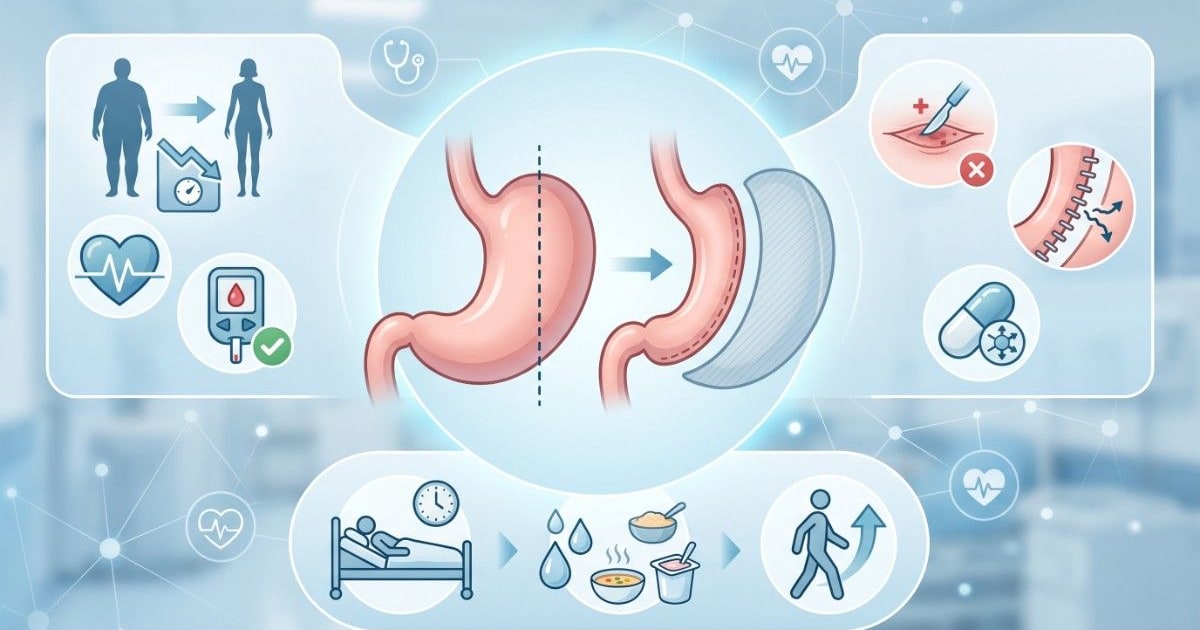
Share this Article
Losing weight is not usually as simple as consuming less and working out more. For many people struggling with extreme weight problems, the journey turns physically exhausting, emotionally draining, and medically concerning. Conditions like Type 2 diabetes, high blood pressure, sleep apnea, joint ache, and heart disease regularly end up part of everyday lifestyles, making even primary sports difficult.
When traditional weight reduction methods forestall delivering outcomes. A gastric bypass surgical procedure can become a life-changing choice.
Known as one of the most effective bariatric methods for long-term weight management. Gastric bypass helps patients lose big weight even while additionally enhancing obesity-related health conditions. From controlling diabetes to boosting mobility and self-belief, the surgical operation has transformed countless lives across the world.
In this detailed guide, we will explain everything about Gastric Bypass, including the gastric bypass surgery procedure, recovery, diet, side effects, results, and gastric bypass cost in India
What Is Gastric Bypass Surgery?
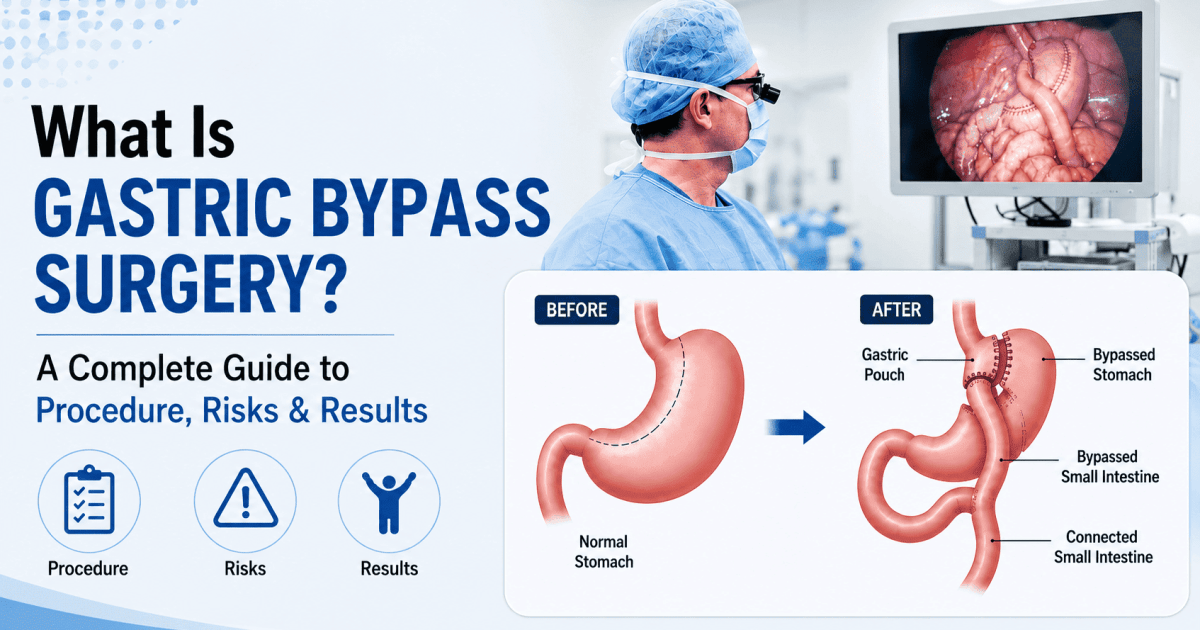
Gastric bypass is a type of bariatric surgery, a gastric bypass procedure designed to aid long-term weight reduction via converting the digestive system.
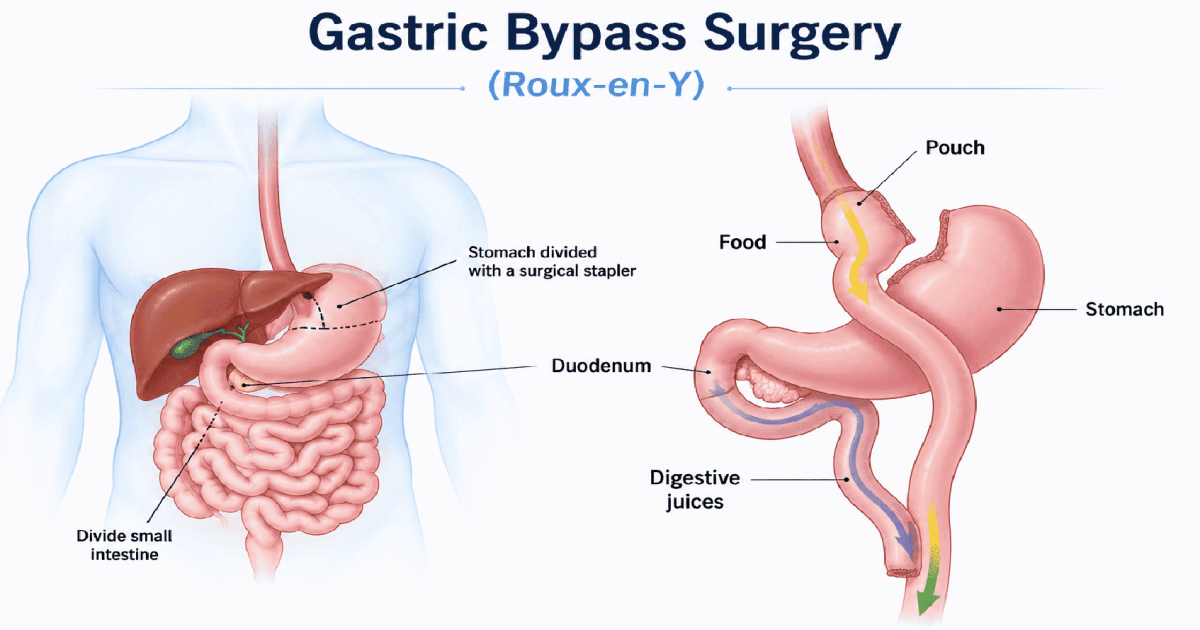
The most common type is called a Roux-en-Y gastric bypass. In this procedure, the surgeon creates a smaller belly pouch and reroutes part of the small gut. This enables less food consumption while reducing calorie absorption as well.
In simpler terms, patients feel full after eating smaller amounts of food, and the body absorbs fewer calories from food.
This dual action makes gastric bypass one of the best weight loss surgeries for individuals coping with extreme weight problems.
How Does a Roux-en-Y Gastric Bypass Work?
The Roux-en-Y gastric bypass works through two major mechanisms:
1. Restriction
A small stomach pouch is created from the top part of the belly. Since the pouch is a good deal smaller than the authentic belly, patients feel full a lot quicker.
2. Malabsorption
Part of the small intestine is bypassed, which means the body absorbs less energy and fewer nutrients from meals.
Together, those changes lead to gradual and sustainable weight reduction after gastric bypass surgical treatment.
The surgery also affects starvation-related hormones, helping many patients control cravings and appetite extra effectively.
Health Signs That May Lead to Gastric Bypass Surgery
Gastric bypass surgery is generally recommended for people who:
Have a BMI above 40
Have a BMI above 35 with obesity-related conditions
Struggle with Type 2 diabetes or high blood pressure
Experience sleep apnea due to obesity
Have failed to lose weight through diet and exercise alone
Are ready to commit to long-term lifestyle changes
A proper medical evaluation is necessary before deciding whether the surgery is suitable for the patient.
Procedure of Gastric Bypass Surgery
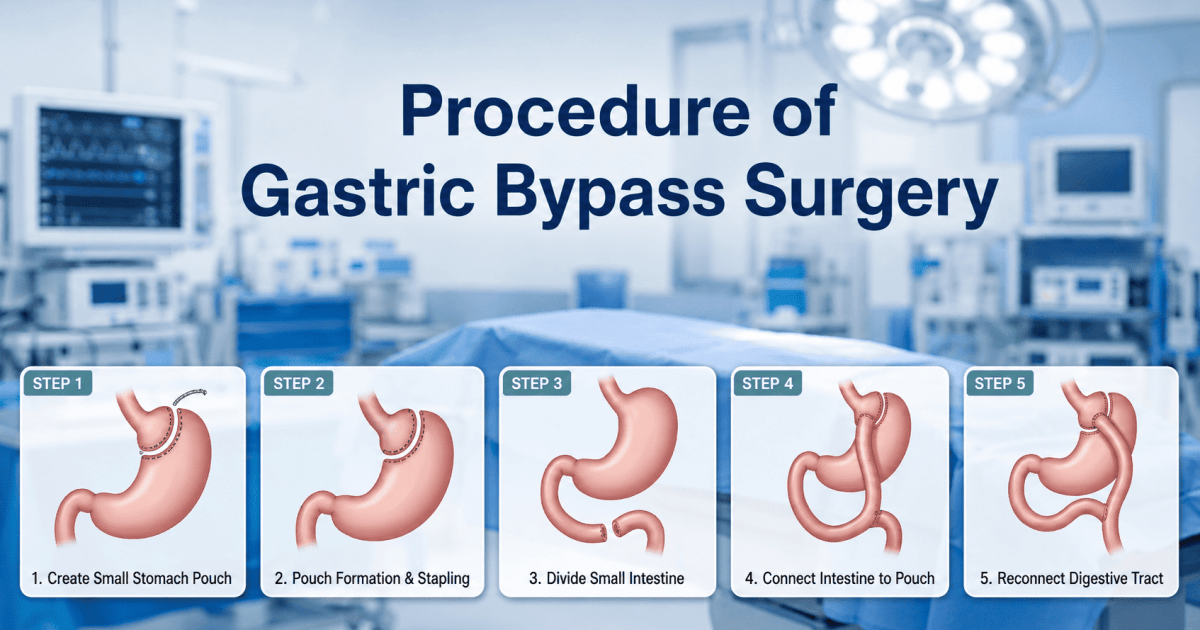
The gastric bypass surgery procedure is usually performed using laparoscopic gastric bypass surgery techniques. This means smaller incisions, reduced pain, and faster recovery compared to open surgery.
The procedure usually takes around 2–3 hours.
The step-by-step procedure is:
Step 1: General Anesthesia
The patient is placed under general anesthesia before the surgery begins.
Step 2: Small Incisions
The surgeon makes small incisions in the abdomen to insert surgical gadgets and a laparoscopic digital camera.
Step 3: Creating a Small Stomach Pouch
Using surgical staples, the surgeon creates a tiny pouch from the upper part of the belly.
Step 4: Bypassing the Intestine
A portion of the small intestine is divided and connected directly to the new belly pouch.
Step 5: Reconnecting the Digestive Tract
The bypassed phase is reconnected lower down so digestive enzymes can retain mixing with meals.
Step 6: Closing the Incisions
The incisions are closed by the usage of sutures or staples.
Types of Gastric Bypass Procedures
1. Roux-en-Y Gastric Bypass
This is the traditional and most commonly performed gastric bypass procedure worldwide. It provides excellent long-term weight loss results and metabolic benefits.
2. Mini Gastric Bypass Surgery
Mini gastric bypass surgery is a simpler variation involving a single intestinal connection instead of two. Some patients may experience shorter surgery duration, faster recovery, and similar weight loss outcomes.
The best procedure depends on the patient’s BMI, medical history, and overall health condition.
Benefits of Gastric Bypass Surgery
Gastric Bypass is not just about weight loss. It can significantly improve overall health and quality of life.
1. Significant Weight Loss
Most patients lose around 60–80% of excess body weight within 12–18 months after surgery.
2. Better Diabetes Management
Many patients experience major improvement or remission of Type 2 diabetes shortly after surgery.
3. Improved Heart Health
The surgery helps lower the following:
Blood pressure
Cholesterol levels
Risk of heart disease
4. Relief From Sleep Apnea
Weight loss can improve breathing problems and reduce sleep apnoea symptoms.
5. Better Mobility
Reduced body weight decreases pressure on joints, making movement easier and less painful.
6. Improved Confidence and Lifestyle
Many patients report better self-esteem, improved mental health, increased energy levels, and better social confidence.
Gastric Bypass Surgery: Before and After Results
One of the biggest reasons people consider Gastric Bypass is the visible transformation in gastric bypass surgery before and after results.
Patients commonly notice major body weight reduction, improved stamina, better control over eating habits, improved health conditions, and increased confidence and activity levels.
However, maintaining results requires long-term commitment to healthy eating and physical activity.
Recovery of Gastric Bypass
Gastric bypass recovery happens gradually and requires patience.
1. Hospital Stay
Most patients remain hospitalised for 1 to 3 days after surgery.
2. Initial Recovery Phase
During the first few weeks, patients may experience mild discomfort, fatigue, swelling near incision sites, and temporary weakness.
Light walking is encouraged early to improve blood circulation and reduce complications.
3. Returning to Daily Activities
Most individuals return to work within:
2 to 4 weeks for desk jobs
Slightly longer for physically demanding work
Heavy lifting and strenuous exercise should be avoided initially.
Gastric Bypass Diet
Following a proper gastric bypass diet is one of the most important parts of recovery and long-term success.
Stage 1: Liquid Diet
Patients start with:
Clear liquids
Protein shakes
Hydrating fluids
Stage 2: Soft Foods
Soft and easy-to-digest foods are introduced gradually.
Stage 3: Healthy Solid Foods
Patients slowly transition to balanced meals in smaller portions.
Foods to Focus On:
A healthy gastric bypass diet usually includes:
High-protein foods
Plenty of fluids
Vitamin-rich meals
Fiber in controlled portions
Foods to Properly Avoid:
Patients are generally advised to avoid:
Sugary foods
Fried foods
Carbonated drinks
Processed snacks
Vitamin and mineral supplements are often required lifelong to prevent nutritional deficiencies.
Gastric Bypass Surgery Side Effects and Risks
Like any major surgery, gastric bypass also carries certain risks and complications.
Short-Term Risks:
Possible short-term complications include:
Bleeding
Infection
Blood clots
Leakage at surgical connections
Reactions to anesthesia
Long-Term Risks:
Some gastric bypass surgery side effects may include the following:
Nutritional deficiencies
Dumping syndrome
Gallstones
Ulcers
Acid reflux
Bowel obstruction
What Is Dumping Syndrome?
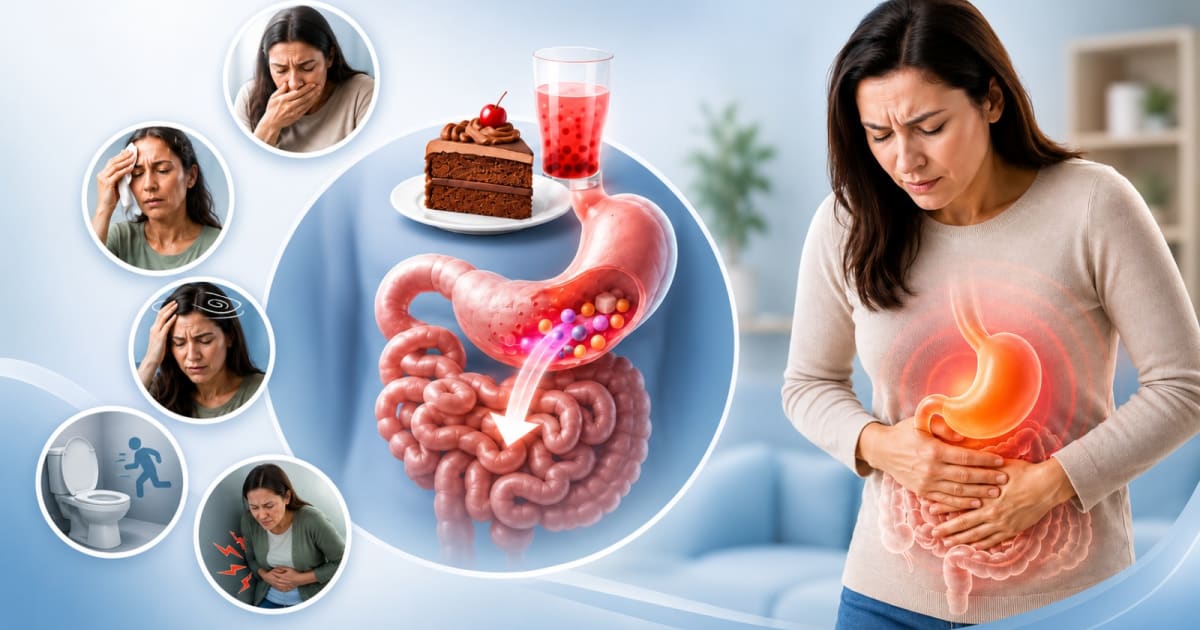
Dumping syndrome happens when sugary foods move too quickly into the small intestine.
Symptoms may include nausea, sweating, dizziness, diarrhea, and stomach discomfort.
Most complications can be managed with proper diet, follow-ups, and medical guidance.
Gastric Bypass Approximate Cost in India:
The gastric bypass cost in India depends on several factors, like hospital facilities, the surgeon's expertise, the type of procedure, the city and location, and postoperative support.
On average, the cost may range between ₹300,000 and ₹650,000 or more.
Many healthcare providers also offer EMI options and insurance assistance depending on eligibility.
Conclusion
Gastric bypass surgery can be a life-changing solution for individuals struggling with severe obesity and obesity-related health conditions. From significant weight loss and improved diabetes management to better mobility and confidence, the procedure offers multiple long-term health benefits.
Understanding the gastric bypass surgery procedure, recovery process, risks, diet, and expected results can help patients make informed decisions about their health journey.
With proper medical guidance, healthy lifestyle habits, and long-term commitment, gastric bypass can support lasting transformation and improved quality of life. To explore trusted hospitals, experienced specialists, and comprehensive treatment options, visit GetBeds and make informed decisions about your healthcare journey.
Frequently Asked Questions
Gastric bypass surgery is a bariatric procedure that creates a smaller stomach pouch and bypasses part of the small intestine to support weight loss by reducing food intake and calorie absorption.
Yes, it is generally considered safe when performed by experienced surgeons. Modern laparoscopic techniques have significantly improved safety and recovery.
The gastric bypass cost in India usually ranges between ₹3 lakh and ₹6.5 lakh, depending on the hospital, surgeon, and treatment plan.
Patients typically begin with liquids, followed by soft foods and eventually healthy solid meals. A high-protein and low-sugar diet is usually recommended.
Most patients recover within 2–4 weeks, although full internal healing may take longer.
Possible long-term side effects include nutritional deficiencies, dumping syndrome, gallstones, acid reflux, and bowel obstruction if dietary care is not properly followed.
Disclaimer:
This blog is intended for informational purposes only and does not constitute medical advice. Always consult a qualified healthcare professional for diagnosis and treatment.