Share this Article
Being diagnosed with lung cancer can bring many questions about treatment. Is surgery necessary? How much of the lung will be removed? Which type of surgery is suitable, and what can recovery look like?
Lung cancer surgery is an operation used to remove a lung tumour along with the affected part of the lung and, when required, nearby tissue or lymph nodes. The type of surgery depends on factors such as the tumour's size and location, cancer stage, lung function, and the patient's overall health.
For selected patients, especially when the cancer can be safely removed, surgery can be an important part of treatment. Understanding the available surgical options, procedure, risks, and recovery can help patients and families prepare for discussions with their healthcare team.
What is lung cancer surgery?
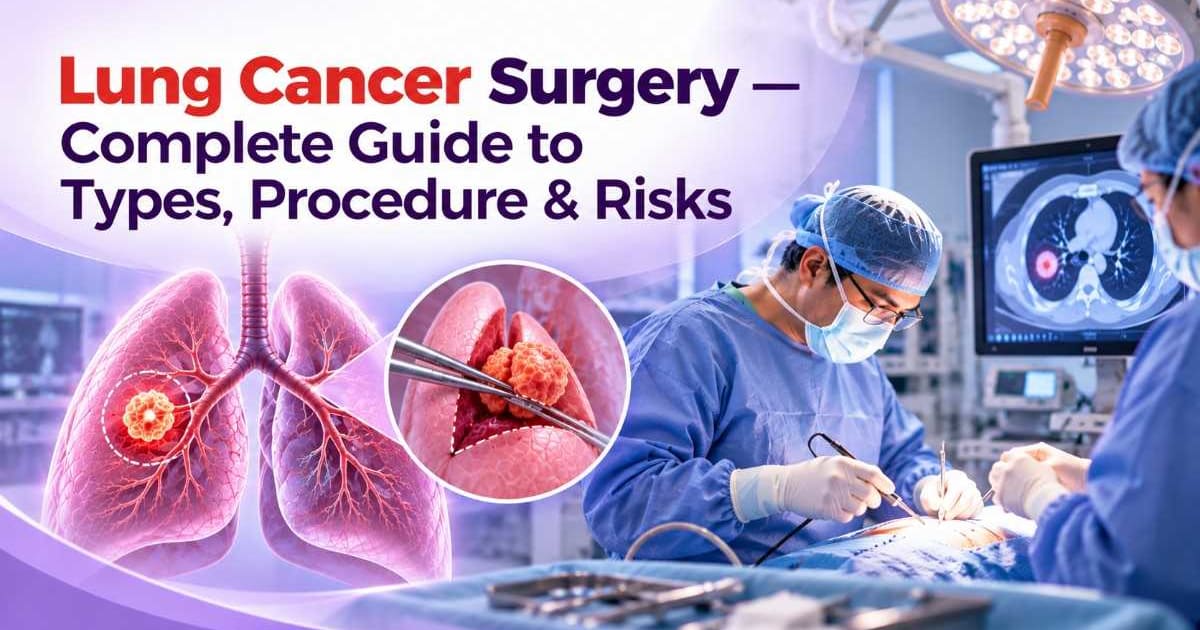
Lung cancer surgery is a medical operation performed to remove a cancerous tumour from the lung. Depending on the tumour's location and extent, the surgeon may remove a small portion of the lung, an entire lobe, or, in selected cases, an entire lung.
The main goal is to remove the cancer while preserving as much healthy lung tissue and function as possible.
Surgery may also involve removing nearby lymph nodes. Examining these lymph nodes can help doctors understand whether cancer has spread and determine the stage of the disease.
When is lung cancer surgery recommended
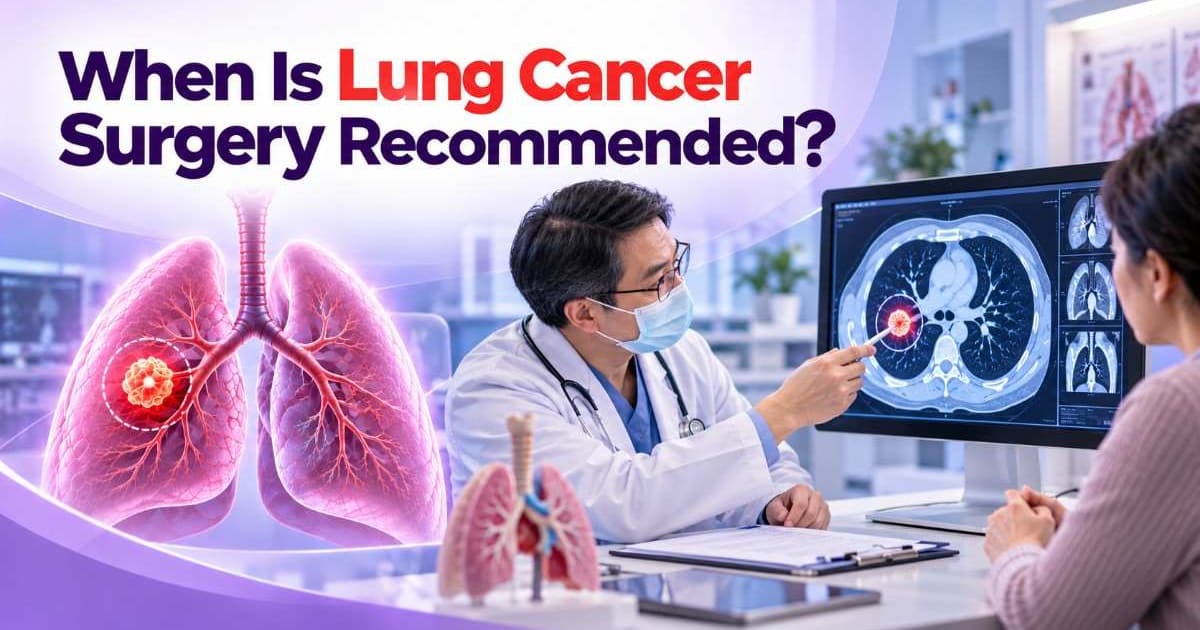
Lung cancer surgery is most commonly considered when the tumour is sufficiently localised to be removed safely and completely. It is particularly relevant for selected patients with early-stage non-small cell lung cancer (NSCLC).
In some situations, surgery may also be part of treatment for more advanced disease along with other treatments. However, surgery is not suitable for everyone with lung cancer.
Before recommending an operation, doctors assess the cancer stage, tumour characteristics, lung function, overall health, and whether the patient is likely to tolerate the procedure.
Who may be a candidate for lung cancer surgery
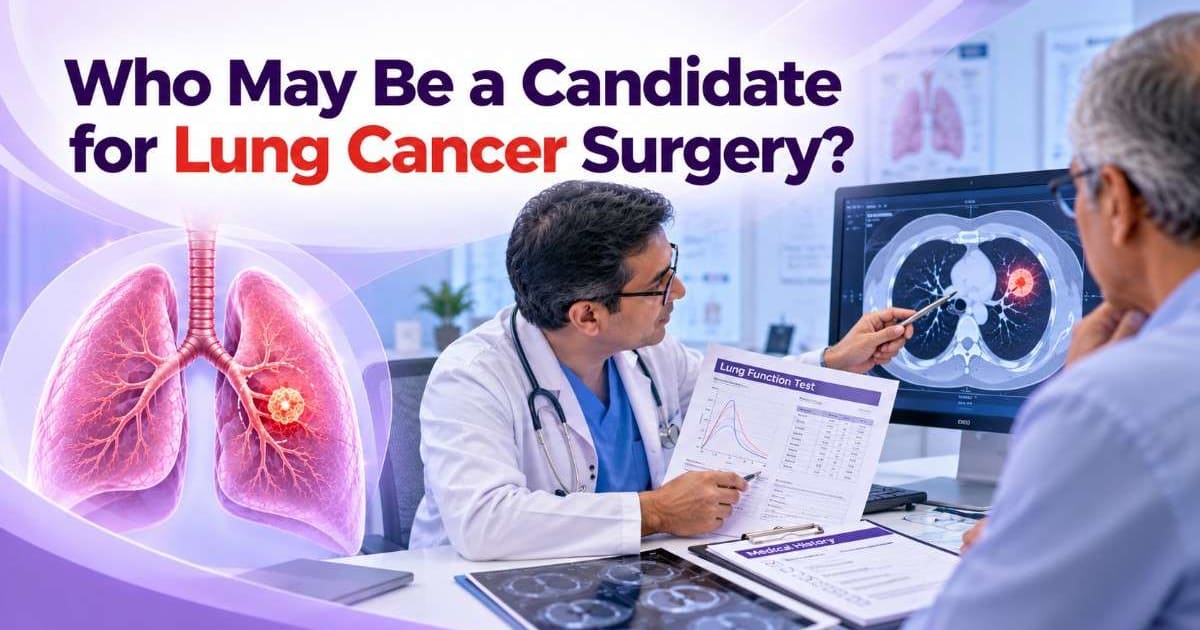
Not every person diagnosed with lung cancer is a candidate for surgery. Doctors consider several factors before deciding whether an operation is appropriate.
These may include:
Size and location of the tumour
Type and stage of lung cancer
Nearby lymph node involvement
Whether the cancer has spread
Lung function
Existing lung conditions
Overall health and fitness
Pulmonary function tests can help doctors understand how well the lungs are working and whether the patient can safely tolerate removal of part or all of a lung.
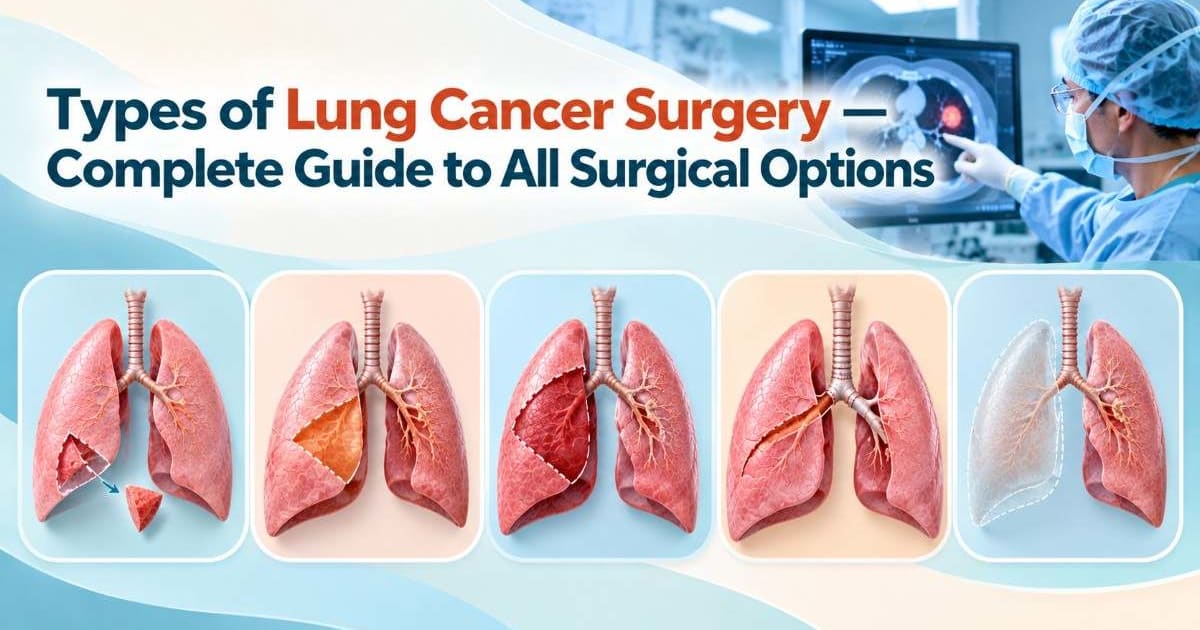
Types of lung cancer surgery
Different lung cancer surgeries remove different amounts of lung tissue. The procedure selected depends on the tumour and the patient's individual condition.
1. Wedge Resection
A wedge resection removes a small, wedge-shaped portion of the lung containing the tumour along with a margin of surrounding tissue.
It may be considered for selected small tumours or when preserving as much lung tissue as possible is important.
2. Segmentectomy
A segmentectomy removes one or more segments of the lung while leaving the rest of the lobe intact. It may be considered for selected patients with smaller, early-stage lung cancers.
3. Lobectomy
A lobectomy involves removing the entire lobe containing the tumour. The right lung has three lobes, while the left lung has two.
It is commonly used for many localised lung cancers when removing the affected lobe is considered appropriate.
4. Pneumonectomy
A pneumonectomy involves removing an entire lung.
It may be considered when the tumour's size, location, or extent makes a smaller resection unsuitable, but complete surgical removal remains possible. Because it is a major operation, doctors carefully assess lung and heart function beforehand.
How does lung cancer surgery performed?
Lung cancer surgery can be performed through an open or minimally invasive approach.
Open lung cancer surgery
Thoracotomy is an open surgical approach in which an incision is made in the chest to access the lung. It may be required for certain complex procedures or when minimally invasive surgery is not suitable.
Minimally invasive lung cancer surgery
Video-assisted thoracoscopic surgery (VATS) uses small chest incisions, a camera, and specialised surgical instruments. It is less invasive than traditional open surgery and may allow a smoother recovery in appropriately selected patients.
Robotic lung cancer surgery
Robotic-assisted surgery is another minimally invasive approach in which the surgeon controls specialised instruments through small incisions. Whether it is appropriate depends on the tumour, planned procedure, and patient's condition.
Lung cancer surgery procedure
Before surgery, the patient undergoes a detailed assessment. This may include CT scans, PET-CT when required, blood tests, pulmonary function tests, and cardiac evaluation.
During the operation, general anaesthesia is used. The surgeon accesses the chest through the selected approach and removes the tumour along with the planned amount of lung tissue.
Nearby lymph nodes may also be removed for examination. After the procedure, the patient is moved to a recovery area for close monitoring.
Preparing for lung cancer surgery
Preparation for surgery may involve reviewing your existing medical conditions, medicines, lung function, nutritional status, and overall fitness.
Patients who smoke are strongly encouraged to stop before surgery because smoking can affect lung function, healing, and the risk of complications.
Depending on the patient's condition, doctors may also recommend breathing exercises, appropriate physical activity, or pulmonary rehabilitation before surgery.
Your healthcare team will also provide instructions about medicines, food, and fluids before the operation.
Risks of lung cancer surgery
Like any major operation, lung cancer surgery carries potential risks. These can vary depending on the type of surgery and the patient's overall health.
Possible complications include:
Bleeding
Infection
Air leaks from the lung
Blood clots
Irregular heart rhythm
Breathing difficulties
Reduced lung function
Pain around the surgical area
Some complications may require additional treatment or a longer hospital stay.
Recovery after lung cancer surgery
Recovery depends on the type of surgery, overall health, and whether complications occur.
A chest drain may be placed after surgery to remove air and fluid while the chest heals. Pain management is also important because controlling discomfort can make it easier to breathe deeply, cough, and gradually become active.
Recovery may involve:
Gradually increasing physical activity
Breathing exercises
Adequate nutrition
Pulmonary rehabilitation when advised
Avoiding smoking and tobacco smoke
Regular follow-up appointments
A smaller lung resection may have a shorter recovery period than a lobectomy or pneumonectomy. Patients should follow their healthcare team's advice before returning to strenuous activities.
Life after lung cancer surgery

Follow-up care remains important after lung cancer surgery. Doctors may monitor healing, lung function, and the patient's cancer status through scheduled appointments and investigations.
Some patients may also require additional treatment after surgery depending on their cancer stage and individual diagnosis.
Avoiding tobacco exposure, maintaining a healthy lifestyle, staying physically active as advised, and attending follow-up appointments can support long-term health.
Success rate of lung cancer surgery
There is no single lung cancer surgery success rate that applies to every patient.
Outcomes can depend on the cancer type and stage, tumour characteristics, surgical procedure, lung function, overall health, and whether the cancer has spread.
A specialist can provide a more individualised discussion about expected outcomes based on the patient's diagnosis and treatment plan.
When to consult a specialist?
If you have been diagnosed with lung cancer or have been advised to consider surgery, consulting an appropriate specialist can help you understand your treatment options.
A thoracic surgeon can assess whether the tumour can be surgically removed and explain the available procedures. Pulmonologists and oncology specialists may also be involved depending on the patient's diagnosis and treatment plan.
Finding the right specialist for lung cancer surgery
Lung cancer treatment may involve multiple specialists and can require specialised hospital facilities depending on the procedure.
GetBeds helps patients discover hospitals, find relevant specialists, explore treatment information, and get guidance while planning consultations and care.
Find the Right Specialist and Hospital with GetBeds.
Conclusion
Lung cancer surgery is carefully selected according to the tumour, cancer stage, lung function, and overall health of the patient. Surgical options range from removing a small portion of the lung through wedge resection or segmentectomy to removing an entire lobe through lobectomy or, in selected cases, an entire lung through pneumonectomy.
Understanding the different types of lung cancer surgery, how the procedure is performed, possible risks, and recovery can help patients make informed decisions with their healthcare team.
Frequently Asked Questions
Lung cancer surgery is an operation used to remove a lung tumour and the required surrounding tissue. It is generally considered when the cancer can be safely removed through surgery.
The main types include wedge resection, segmentectomy, lobectomy, and pneumonectomy. The appropriate procedure depends on the tumour and the patient's condition.
No, surgery is not necessary for every patient. The treatment approach depends on the cancer type, stage, tumour location, lung function, and overall health.
Possible risks include bleeding, infection, pneumonia, air leaks, blood clots, irregular heart rhythm, breathing difficulties, reduced lung function, and pain.
There is no single success rate for all lung cancer surgeries. Outcomes depend on factors such as cancer stage, tumour characteristics, procedure type, lung function, and overall health.
Disclaimer:
This blog is for informational purposes only and does not constitute scientific recommendations. Always consult a certified healthcare expert for analysis and remedies.