Share this Article
Chronic Obstructive Pulmonary Disease (COPD) is a long-term lung condition that restricts airflow and makes breathing difficult. It includes chronic bronchitis and emphysema, which can cause persistent coughing, excess mucus, wheezing, and breathlessness. Although COPD can worsen over time, its progression varies from person to person.
COPD is classified into different stages based on lung function, symptoms, and the risk of flare-ups. Understanding these stages helps patients know what their test results mean, how the condition may affect daily life, and which treatments may help manage it. However, a COPD stage alone cannot predict exactly how long someone will live.
What Is the GOLD Classification for COPD?
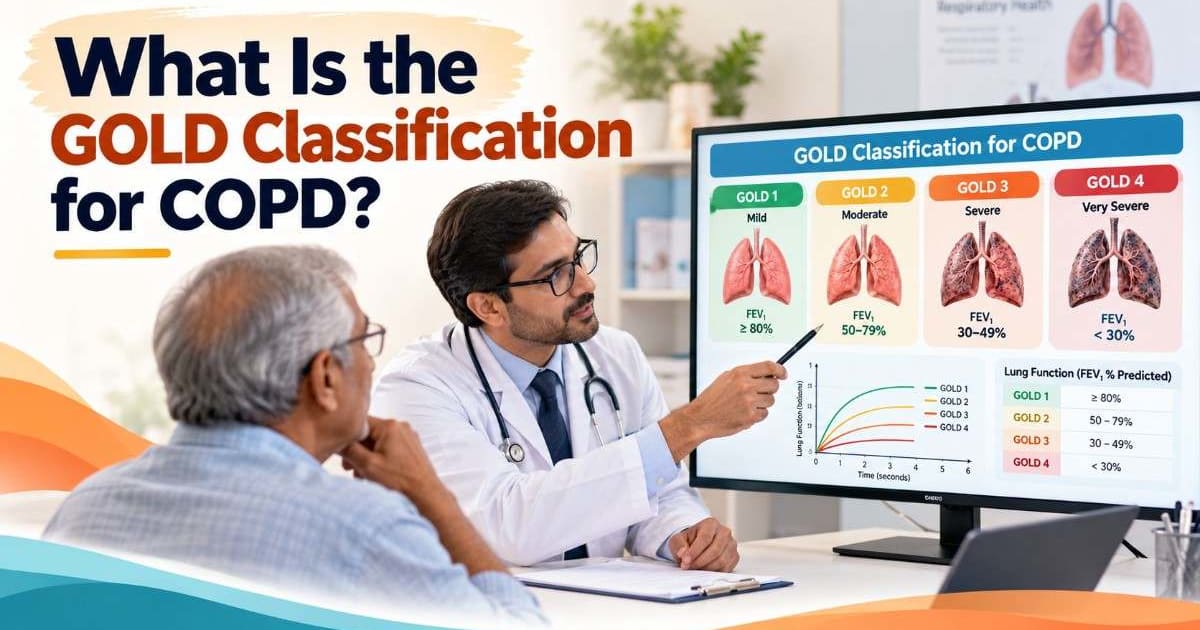
The Global Initiative for Chronic Obstructive Lung Disease (GOLD) classification helps doctors assess COPD severity and guide treatment decisions. It considers spirometry results, symptoms, previous exacerbations, and hospitalizations.
Spirometry is a lung function test that measures how much air a person can breathe out and how quickly they can exhale. One important measurement is forced expiratory volume in one second (FEV₁), which indicates the amount of air exhaled during the first second of a forceful breath.
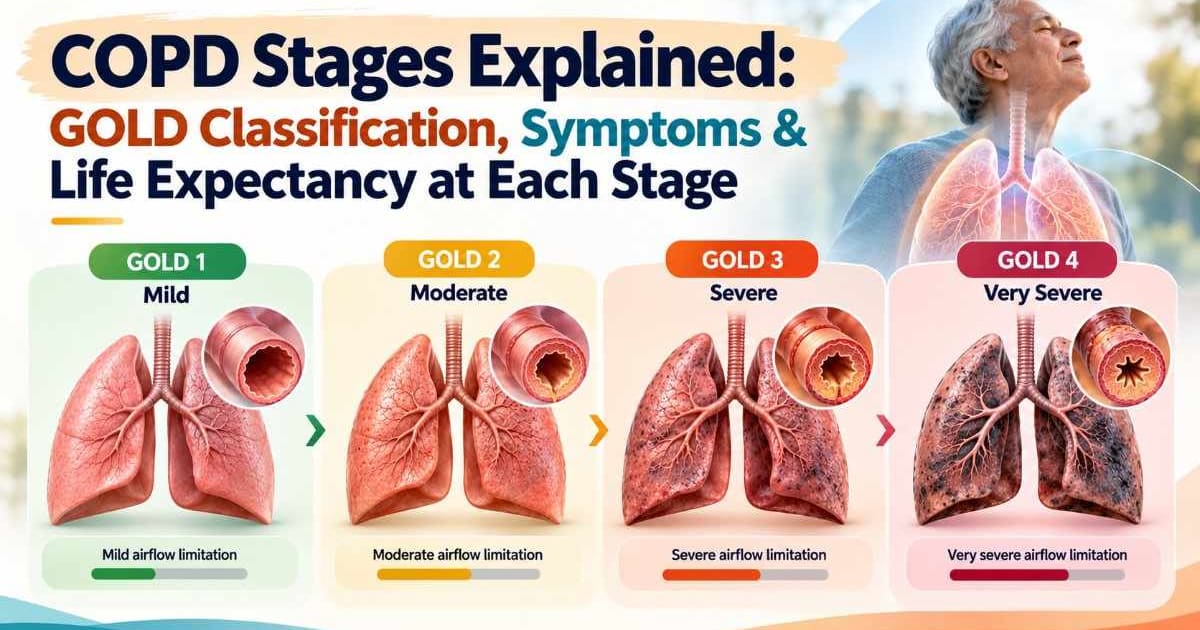
Doctors use FEV₁ results to assign one of four spirometric grades, from GOLD 1 (mild airflow limitation) to GOLD 4 (very severe airflow limitation). Symptoms and exacerbation history are assessed separately to develop an appropriate treatment plan.
The Four GOLD Stages of COPD
Stage 1: Mild COPD
In mild COPD, airflow limitation is relatively low, and symptoms may be subtle. Some people experience an occasional cough, mild mucus production, or slight breathlessness during physical activity. Others may not recognize the symptoms initially.
FEV₁: 80% or more of the predicted value.
Symptoms: Occasional coughing, mucus production, or mild breathlessness.
Management: Treatment may include smoking cessation, reducing exposure to lung irritants, appropriate vaccinations, and prescribed inhalers when needed.
Early diagnosis and consistent care can help patients manage symptoms and reduce further exposure to factors that damage the lungs.
Stage 2: Moderate COPD
Moderate COPD generally causes more noticeable symptoms. Patients may experience persistent coughing, wheezing, increased mucus production, or breathlessness while walking quickly, climbing stairs, or performing other physical activities.
FEV₁: 50% to 79% of the predicted value.
Symptoms: More noticeable breathlessness, persistent cough, and reduced exercise tolerance.
Management: Doctors may recommend long-acting bronchodilator inhalers, pulmonary rehabilitation, and lifestyle changes according to the patient's symptoms and exacerbation history.
Patients at this stage may begin to notice that everyday activities require more effort. Regular follow-ups can help determine whether treatment is controlling symptoms effectively.
Stage 3: Severe COPD
Severe COPD involves substantial airflow limitation that can interfere with routine activities. Patients may experience significant breathlessness while walking, climbing stairs, or completing household tasks. Flare-ups may also become more frequent or severe.
FEV₁: 30% to 49% of the predicted value.
Symptoms: Significant breathlessness, persistent cough, fatigue, and reduced physical capacity.
Management: Treatment may include long-acting or combination inhalers, pulmonary rehabilitation, and additional medicines when indicated. Oxygen therapy may be prescribed if tests confirm persistently low blood oxygen levels.
Close medical monitoring is important because exacerbations can lead to sudden worsening of symptoms and may require hospital treatment.
Stage 4: Very Severe COPD
Very severe COPD involves substantial airflow limitation and may significantly affect independence and quality of life. Some patients experience breathlessness even at rest, frequent exacerbations, and difficulty carrying out basic daily activities.
FEV₁: Less than 30% of the predicted value.
Symptoms: Severe breathlessness, limited physical activity, fatigue, and potentially frequent hospital visits.
Management: Treatment may involve multiple inhaled medicines, oxygen therapy when indicated, pulmonary rehabilitation, and specialist assessment for selected advanced procedures or lung transplantation.
Not every patient with very severe COPD requires oxygen or surgery. Treatment depends on lung function, oxygen levels, overall health, and individual clinical needs.
How COPD Stages Are Determined
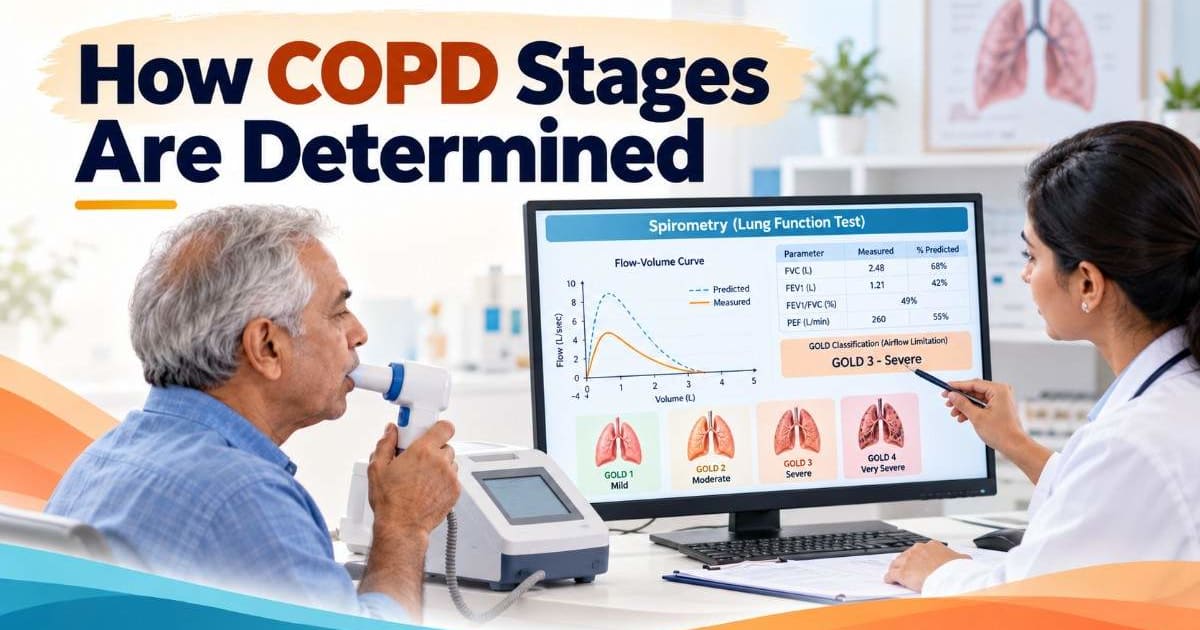
Doctors do not rely on symptoms alone to determine COPD severity. They combine lung function results with information about how the condition affects the patient.
Spirometry and FEV₁ Results
Spirometry measures airflow and helps identify the degree of airflow limitation. The FEV₁ percentage is used to assign a spirometric grade, but it does not describe every aspect of the disease.
Symptoms and Daily Functioning
Doctors assess breathlessness, coughing, mucus production, and limitations during daily activities. Symptom questionnaires may help establish how significantly COPD affects a patient's life.
Exacerbations and Hospitalisations
A COPD exacerbation is an episode in which symptoms worsen beyond their usual day-to-day variation and require a change in treatment. Previous flare-ups, particularly those requiring hospitalisation, help doctors assess future risk.
These findings, along with other health conditions, help guide treatment and follow-up.
Life Expectancy at Each COPD Stage
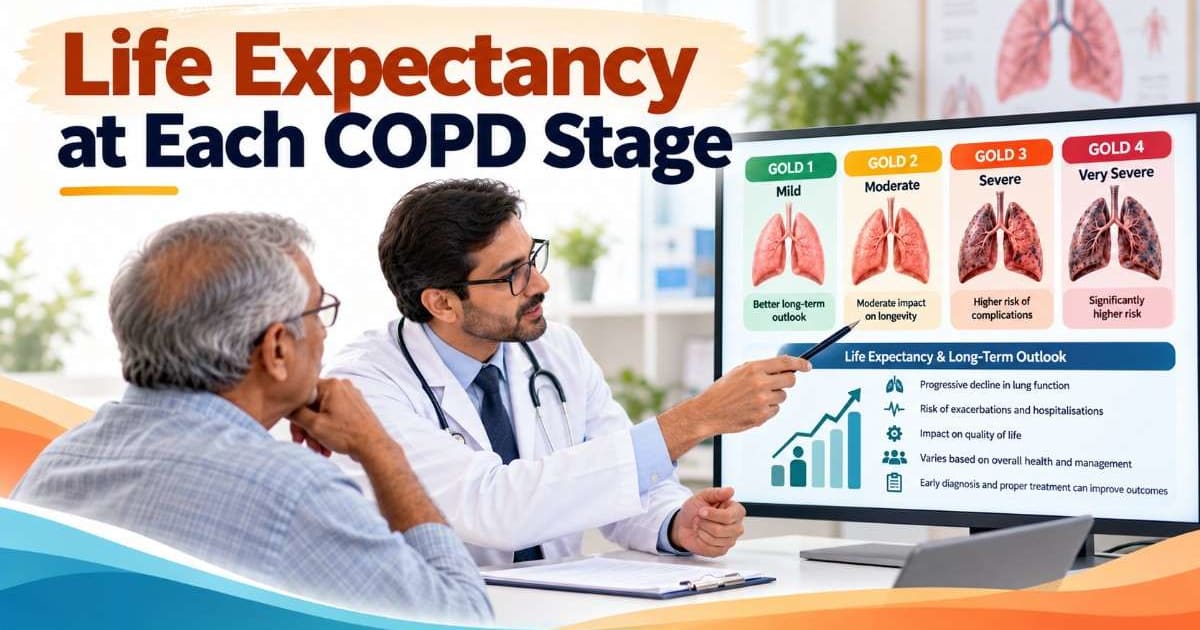
Life expectancy after a COPD diagnosis varies widely. Disease severity, age, smoking history, frequency of exacerbations, other medical conditions, and response to treatment can all influence long-term outcomes.
People with mild COPD may live for many years, particularly when they stop smoking and manage their condition effectively. Moderate COPD may have a greater effect on daily activities, while severe and very severe disease can carry a higher risk of complications.
However, there is no reliable fixed life expectancy for any individual COPD stage. A commonly quoted survival estimate cannot accurately predict what will happen to a particular patient. Doctors consider several clinical factors rather than relying on FEV₁ alone.
Quitting smoking, following prescribed treatment, participating in pulmonary rehabilitation, and attending regular appointments can support better disease management. These steps cannot guarantee a particular lifespan, but they can help patients manage symptoms and reduce avoidable risks.
Factors That Influence COPD Progression
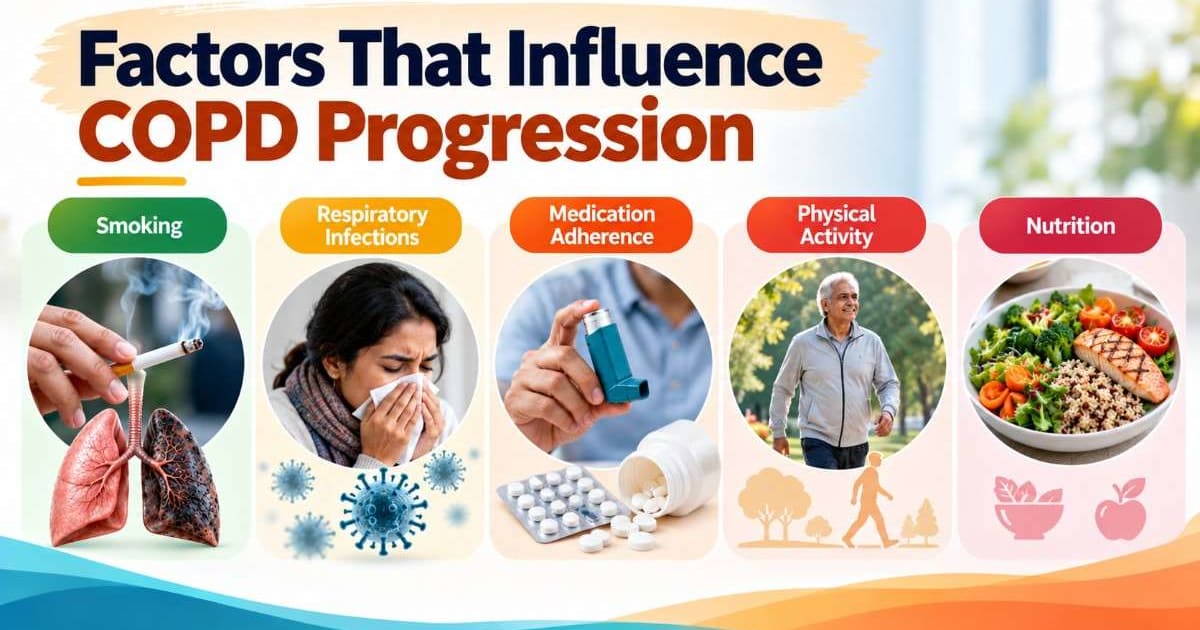
Several factors can affect how COPD develops over time.
Smoking: Continued smoking can accelerate lung function decline. Quitting is an important step at every stage.
Frequent exacerbations: Repeated flare-ups can worsen health and increase the risk of hospitalisation.
Treatment adherence: Taking prescribed medicines correctly and using inhalers properly helps manage symptoms.
Respiratory infections: Certain infections can trigger serious exacerbations, making recommended vaccinations and timely medical care important.
Physical activity and nutrition: Appropriate exercise and balanced nutrition help maintain strength and support daily functioning.
Other medical conditions: Heart disease and other health problems may influence symptoms and long-term outcomes.
When to Consult a Pulmonologist
Consult a pulmonologist if you experience a persistent cough, increasing breathlessness, wheezing, recurring respiratory infections, or reduced ability to perform everyday activities. Seek medical advice if symptoms worsen or prescribed treatment becomes less effective.
Severe breathing difficulty, confusion, or bluish lips require emergency medical attention.
Finding the Right Specialist for COPD
A pulmonologist can assess symptoms, interpret spirometry results, determine COPD severity, and recommend an appropriate treatment plan. Regular specialist reviews can also help identify changes in lung function and adjust treatment when necessary.
GetBeds helps patients explore hospitals and find relevant specialists for their healthcare needs, including pulmonologists for COPD assessment and ongoing respiratory care.
Conclusion
COPD is a progressive lung condition classified into four spirometric grades, ranging from mild to very severe airflow limitation. Each grade provides useful information about lung function, but symptoms, exacerbation history, and other medical conditions also influence treatment decisions and long-term outlook.
Although COPD cannot currently be cured, appropriate treatment, smoking cessation, pulmonary rehabilitation, and regular medical follow-up can help patients manage the condition. Consulting a pulmonologist is an important step towards understanding individual risks and choosing suitable care.
Disclaimer: This blog is for informational purposes only and does not constitute scientific recommendations. Always consult a certified healthcare expert for analysis and remedies.