Angiography
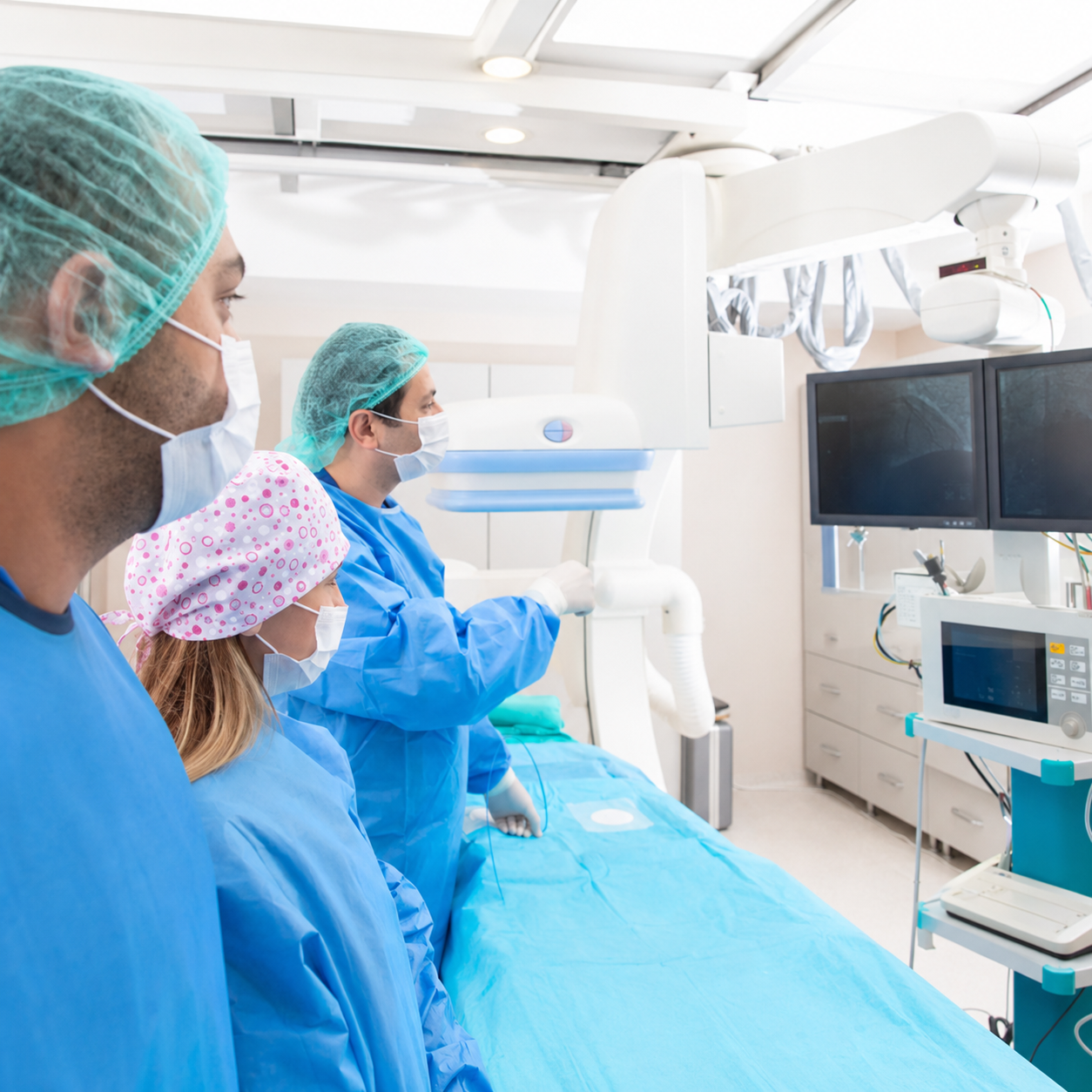
Angiography is a minimally invasive diagnostic procedure used to visualize blood vessels and identify blockages, narrowing, or abnormalities in blood flow. It is most commonly used to examine the coronary arteries of the heart, but it can also be performed for the brain, lungs, and peripheral blood vessels. The procedure involves injecting a contrast dye into the bloodstream and capturing X-ray images to clearly map the flow of blood through the arteries. Angiography plays a crucial role in diagnosing cardiovascular diseases and guiding further treatment such as angioplasty, stenting, or bypass surgery. It is widely performed in advanced cardiac centers across India due to its accuracy, safety, and ability to provide real-time insights into vascular health.
Restoring Healthy Quality of Life
Precision in every procedure, restoring confidence through surgical excellence.
Duration
20–40 minutes
Anaesthesia
Local
Hospital Stay
Same day or 1 day
Recovery Time
24–48 hours
Every step, mapped with care
From first consult to full recovery — a transparent, coordinated pathway with a dedicated care manager.
Consultation
Medical Tests
Admission
Surgery
ICU Recovery
Discharge
Follow-up
Care Led By World-Class Cardiac Specialists

Dr. Kamal Khurana
CONSULTANT
20+ Yrs
EXPERIENCE
1500+
PROCEDURES
Dr. L. K. Mehta
CONSULTANT
44+ Yrs
EXPERIENCE
1750+
PROCEDURES
Dr. P. K. Misra
CONSULTANT
25+ Yrs
EXPERIENCE
2000+
PROCEDURES
Dr. B. K. Agarwal
CONSULTANT
25+ Yrs
EXPERIENCE
2250+
PROCEDURES
The life-changing benefits
More than a procedure — a pathway back to the life you love. Here is what patients experience after Angiography.
Improved Blood Flow
Restores healthy, oxygen-rich blood flow to tissues, revitalizing your whole vascular system.
Relieves Pain & Discomfort
Dramatically reduces chronic pain, pressure symptoms, and stiffness for effortless movement.
Better Functional Mobility
Improves overall physical capacity and organ efficiency, restoring confidence for daily tasks.
Long-Term Relief
Provides lasting clinical solutions designed to significantly prevent symptom recurrence.
High Success Rate
Performed using world-class surgical protocols with over 95%+ clinical success rate.
Enhanced Quality of Life
Enables a rapid return to work, hobbies, and active family living without hesitation.
Answers to what patients ask most
Search a specific concern or explore the most frequently asked questions from our medical community.
Speak to a dedicated care advisor for a personalised assessment of your medical needs.
Ready to take the next step?
Schedule a priority consultation with our surgical board. We will review your records and provide a clear, tailored recommendation within 24 hours.