Oncology
Patient Guide
Advanced Surgical, Medical & Radiation Cancer Care with Leading Specialists
From tumor resection surgery and targeted chemotherapy to precision radiation and supportive oncology, our multidisciplinary teams deliver personalized, evidence-based cancer treatments.
NABH
Accredited Centers
PET-CT / IHC
Modern Diagnostics
Multidisciplinary
Tumor Boards
Comprehensive Oncology
Tumor resection, immunotherapy, and multidisciplinary cancer therapy
Oncology Surgeries & Procedures
Explore tumor removal surgeries, systemic cancer therapies, and surgical oncology procedures performed at accredited oncology centres.
.jpg)
Tumor Removal Surgery
Complete surgical resection of benign or malignant tumors with clear margins to prevent cancer sprea...

Cancer Treatment Procedure (Chemo & Radiation)
Comprehensive medical oncology protocols including chemotherapy cycles, targeted immunotherapy, and ...

Surgical Oncology Procedure
Specialized cancer surgery including radical resections, lymphadenectomy, and oncoplastic reconstruc...
Lung Cancer Surgery
Lung cancer surgery is performed to remove a tumor from the lung when an operation is considered an ...
Head & Neck Cancer Surgery
Head and neck cancer surgery is used to cut out tumors affecting areas like the mouth, throat, voice...
Oral Cancer Surgery
Oral cancer surgery removes malignant lesions from oral structures including the tongue, gums, inner...

Thyroid Cancer Surgery
Thyroid cancer surgery involves removing malignant thyroid tissue through partial lobectomy or total...
Gastric Cancer Surgery
Gastric cancer surgery involves surgical resection of stomach tumors through subtotal or total gastr...
Colorectal Cancer Surgery
Colorectal cancer surgery involves the oncologic resection of malignant segments of the colon or rec...
Liver Cancer Surgery
Liver cancer surgery involves the targeted resection of primary liver tumors (hepatocellular carcino...
Pancreatic Cancer Surgery
Pancreatic cancer surgery is an advanced, highly specialized operation performed to resect pancreati...

Kidney Cancer Surgery
Kidney cancer surgery removes renal neoplasms through partial nephrectomy (nephron-sparing surgery) ...
Bladder Cancer Surgery
Bladder cancer surgery encompasses transurethral resection of bladder tumor (TURBT) for non-muscle i...
.jpg)
Prostate Cancer Surgery
Prostate cancer surgery, known as radical prostatectomy, involves the complete surgical removal of t...
Bone Cancer Surgery
Bone cancer surgery is performed to resect malignant musculoskeletal tumors (osteosarcoma, chondrosa...
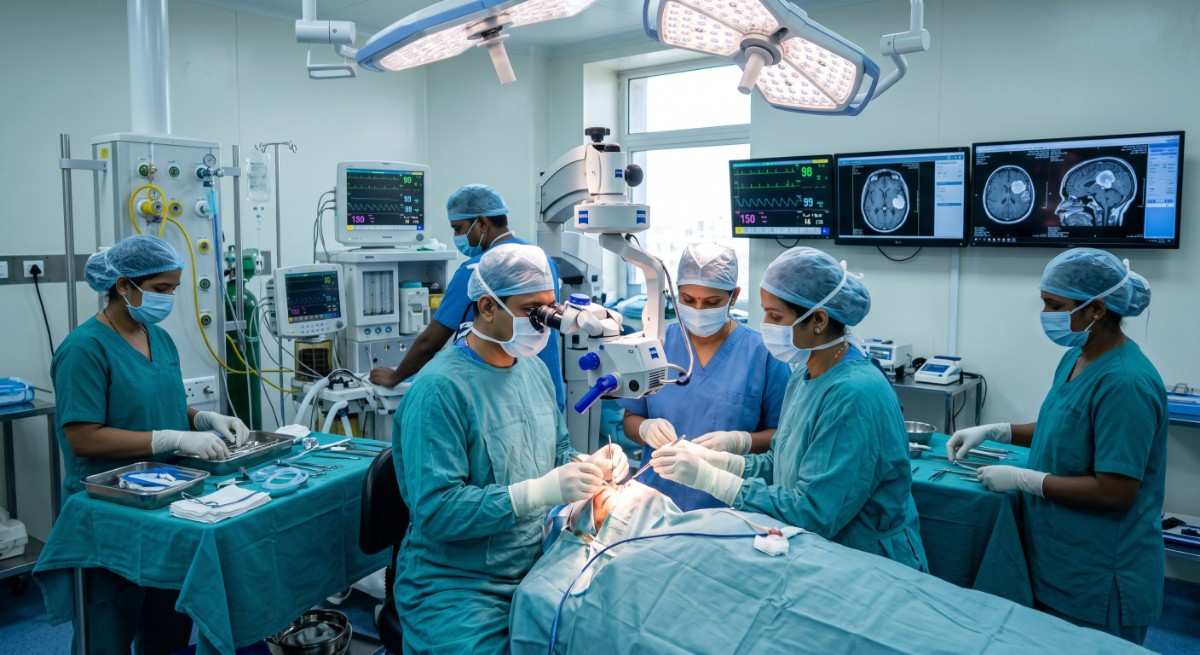
Brain Tumour Surgery
Brain tumour surgery involves removing intracranial neoplasms (gliomas, meningiomas, metastases) thr...
The Value of Multidisciplinary Cancer Treatment
Cancer care is no longer a single-specialist decision. Modern oncology combines surgical oncologists, medical oncologists, radiation oncologists, radiologists, and molecular pathologists in multidisciplinary tumor boards.
This collaborative paradigm ensures every treatment roadmap is tailored to the exact biological type, stage, and genomic characteristics of the tumor.
Minimally Invasive & Organ-Preserving Surgery
Advances in laparoscopic and robotic cancer surgery enable precise tumor resections with clear margins while preserving healthy organ tissue and accelerating healing.
Combined with neoadjuvant therapy (shrinking tumors before surgery) and adjuvant treatment, patients achieve higher survival rates and faster return to active routines.
Oncology Sub-Specialties
Dedicated cancer care teams delivering individualized diagnosis, treatment, and long-term surveillance.
Surgical Oncology & Tumor Resection
Open, laparoscopic, and robotic surgical removal of benign and malignant tumors with clear margins.
Medical Oncology & Chemotherapy
Personalized chemotherapy regimens, targeted molecular therapy, and next-generation immunotherapy.
Radiation Oncology Pathways
Precision external beam radiotherapy (EBRT), IMRT, stereotactic body radiosurgery, and brachytherapy.
Cancer Diagnostics & Staging
Definitive tissue biopsies, PET-CT scans, 3T MRI, immunohistochemistry (IHC), and genetic marker tests.
Multidisciplinary Tumor Board
Comprehensive collaborative evaluations combining surgeons, medical oncologists, and pathologists.
Cancers & Tumors Treated
Our partner hospitals handle both benign growths requiring excision and complex malignant conditions.
Symptoms You Should Never Ignore
Early diagnosis greatly increases the chances of complete remission. Seek clinical evaluation if you notice persistent signs.
Unexplained Significant Weight Loss
Sudden loss of 5 kg or more without dieting or lifestyle changes, often an early systemic indicator.
New or Growing Lump / Swelling
A hard, persistent, or painless lump in the breast, neck, armpit, groin, or any soft tissue area.
Persistent Fatigue & Weakness
Exhaustion that does not improve with rest, often linked to anemia or hidden chronic disease.
Changes in Bowel or Bladder Habits
Prolonged constipation, diarrhea, blood in stool, rectal bleeding, or blood in urine (hematuria).
Non-Healing Sores or Moles
Sores in the mouth, skin lesions that bleed, or moles changing in shape, size, color, or texture.
Persistent Cough or Difficulty Swallowing
Chronic cough lasting over 3 weeks, coughing blood (hemoptysis), hoarseness, or painful swallowing.
Recurring Fevers & Night Sweats
Unexplained temperatures, drenching night sweats, and persistent deep localized aches.
How Cancers Are Diagnosed & Staged
A precise pathological and radiological evaluation is required before determining surgery or systemic treatment.
Biopsy & Histopathology
Tissue sampling to confirm benign vs. malignant status, cancer type, and molecular biomarker profile.
PET-CT & High-Res MRI
Full-body metabolic scans to identify exact tumor size, lymph node involvement, and distant spread.
Genomic & Biomarker Testing
Next-generation sequencing for targeted therapies (e.g. EGFR, HER2, BRCA, PD-L1 expression).
Tumor Board Consensus
Joint case review by surgical, medical, and radiation specialists to formulate the optimum roadmap.
Frequently Asked Questions
Key questions answered by oncologists regarding tumor removal, cancer treatment procedures, and recovery.
Need Expert Oncology Assessment or Second Opinion?
Connect with leading surgical and medical oncologists across accredited cancer hospitals offering advanced PET-CT, robotic surgery, and dedicated tumor boards.