
Share this Article
That stupid ache underneath your proper ribs after a heavy meal. The unexpected, sharp ache that wakes you at night. Nausea that simply won't quit. These are symptoms; your body might show you a simple message: your gallbladder needs attention.
For tens of millions of people each year, gallbladder elimination surgical treatment (additionally known as cholecystectomy) turns into an essential step closer to lasting comfort. But how do you understand when it’s time to stop managing pain and remember surgery? This blog helps you through everything you want to realise, from spotting the warning signs and symptoms to knowing the technique and recovery.
What Is the Gallbladder and Why Is It Removed?
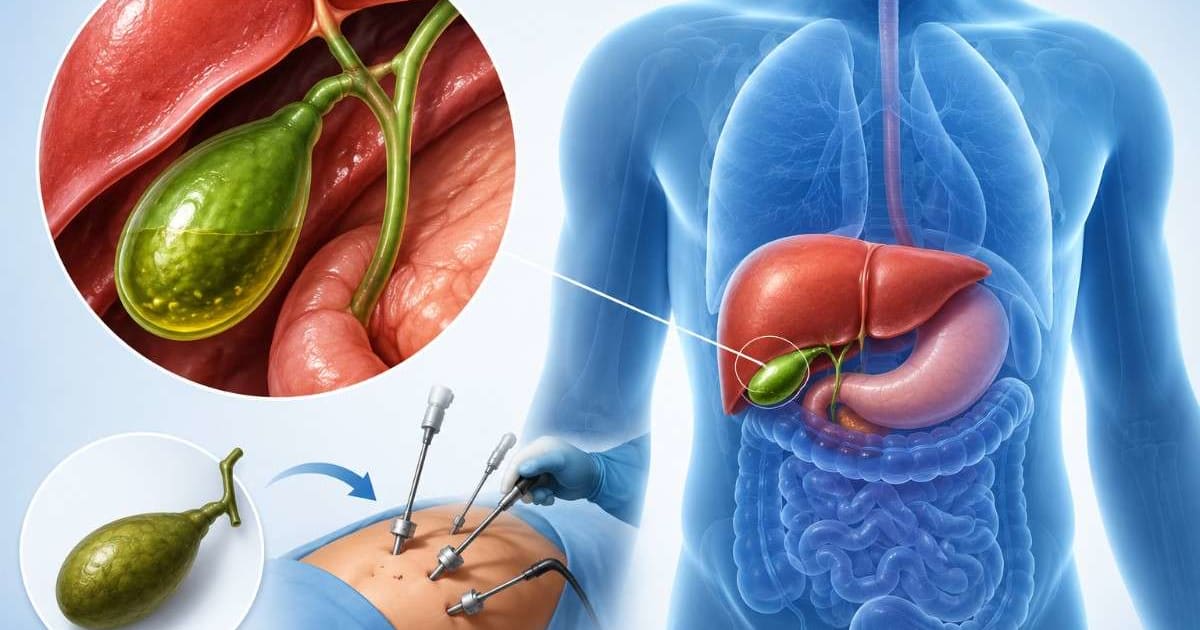
The gallbladder is a small, pear-shaped organ tucked simply underneath the liver on the top right side of the stomach. Its process is to save bile, a digestive fluid produced by way of the liver, and release it into the small intestine to help break it down speedily. While the gallbladder performs an assisting function in digestion, it isn't always vital. Most people lead perfectly normal, healthy lives after gallbladder removal surgical treatment. This is one reason why cholecystectomy is one of the most commonly done surgical tactics internationally.
The Most Frequent Cause for Removal: Gallstones
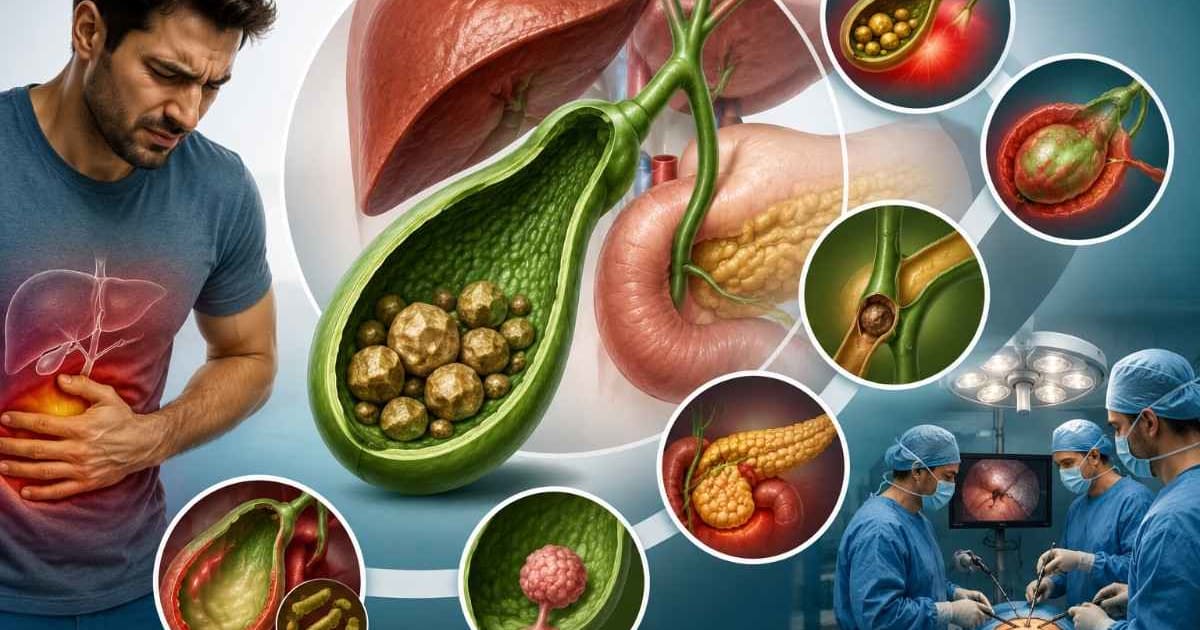
The First Warning Signs Gallstones are hardened deposits of bile additives, in most cases LDL cholesterol or bilirubin, that form within the gallbladder. Many humans have gallstones without knowing it. However, when a stone blocks a bile duct or causes irritation, the signs come to be hard to ignore. Common gallstone symptoms include:
Sudden, severe pain in the higher right stomach or middle of the stomach
Pain that radiates to the proper shoulder or between the shoulder blades
Nausea and vomiting
Pain that typically occurs after eating fatty or greasy meals
Pain that lasts everywhere from a couple of minutes to numerous hours
These attacks, called biliary colic, can be frightening and debilitating. If you experience them repeatedly, it’s time to consult a physician.
Symptoms of Gallbladder Problems
Beyond Gallstones: Not all gallbladder problems are resulting from stones. Recognising a broader range of symptoms of gallbladder problems can help you seek well-timed care. Gallbladder ache signs to watch for:
Chronic indigestion: Frequent bloating, heartburn, or soreness after consuming may additionally display a sluggish or inflamed gallbladder.
Fever and chills: These are serious gallbladder infection signs that advocate acute cholecystitis (infection) or even an abscess. Seek instant medical interest.
Jaundice: Yellowing of the pores and skin or eyes can show a bile duct blockage caused by a gallstone.
Dark urine or faded stools: These modifications suggest bile, going with the flow, is being disrupted.
Persistent nausea: Especially when accompanied by upper belly pain.
If any of these signs appear, specifically fever with aches, do no longer put it off—this will be a clinical emergency.
Signs You Need Gallbladder Surgery
When Is Gallbladder Surgery Needed?
No one with gallstones requires surgery. In truth, many gallstones have no symptoms at all and may be monitored without intervention. However, your medical doctor may additionally strongly propose a gallbladder removal surgical operation when
Gallstones are inflicting repeated painful attacks: If you’ve had a couple of episodes of biliary colic, surgical treatment is normally advised to save you future headaches.
Acute cholecystitis develops: Gallbladder irritation that doesn’t clear up with a remedy is a clear signal surgical treatment is warranted.
Gallstones are blockading the bile duct: known as choledocholithiasis, this condition can cause extreme infections and requires prompt remedy.
Pancreatitis is precipitated through gallstones: Gallstone-precipitated pancreatitis is probably life-threatening and nearly always leads to a recommendation for surgical operation.
Large gallbladder polyps are present: polyps over 1 cm in size may carry a danger of turning into cancer and are often dealt with with elimination.
Gallbladder contamination signs are severe: Infections like cholangitis or an empyema of the gallbladder require pressing intervention.
Gallbladder Stone Size for Surgery: Does Size Matter?
A commonplace query sufferers ask is whether or not the scale of their gallstones determines the want for surgical operation. The solution is “no longer usually, but now and again". While small stones (beneath 5 mm) can clearly be extra risky due to the fact they are much more likely to slide into the bile duct and cause blockages, large stones can lead to continual inflammation and ache. Generally, gallstone size alone isn't always the finding aspect; it is the symptoms, headaches, and ordinary scientific photographs that guide the selection. That said, stones larger than 2–3 cm may also deliver an extended threat of gallbladder cancer and can spark earlier surgical intervention. Your doctor will weigh a majority of these factors all through the evaluation.
When Should You Remove the Gallbladder? How Long Can You Delay Surgery?
If your medical doctor has encouraged surgery, you will be thinking about whether or not you can postpone it, especially if your signs come and move. The solution relies upon your unique circumstance.
For asymptomatic gallstones, watchful waiting is often suitable. There is no pressing need to operate if stones are not causing issues.
For symptomatic gallstones, postponing is generally now not recommended. Research shows that sufferers who wait too long after a gallstone assault are at greater danger of headaches, acute cholecystitis, bile duct obstruction, or pancreatitis. Most surgeons advise scheduling the process within weeks of a substantial episode.
What occurs if gallstones are not dealt with?
Untreated symptomatic gallstones can lead to:
Rupture of the gallbladder (a life-threatening emergency)
Severe contamination spreading to the liver or bloodstream (sepsis)
Chronic infection main to gallbladder disorder
In uncommon cases, gallbladder cancer
The bottom line: if symptoms are routine or intense, a well-timed gallbladder elimination surgical operation is way more secure than being ready for them.
Laparoscopic Gallbladder Surgery
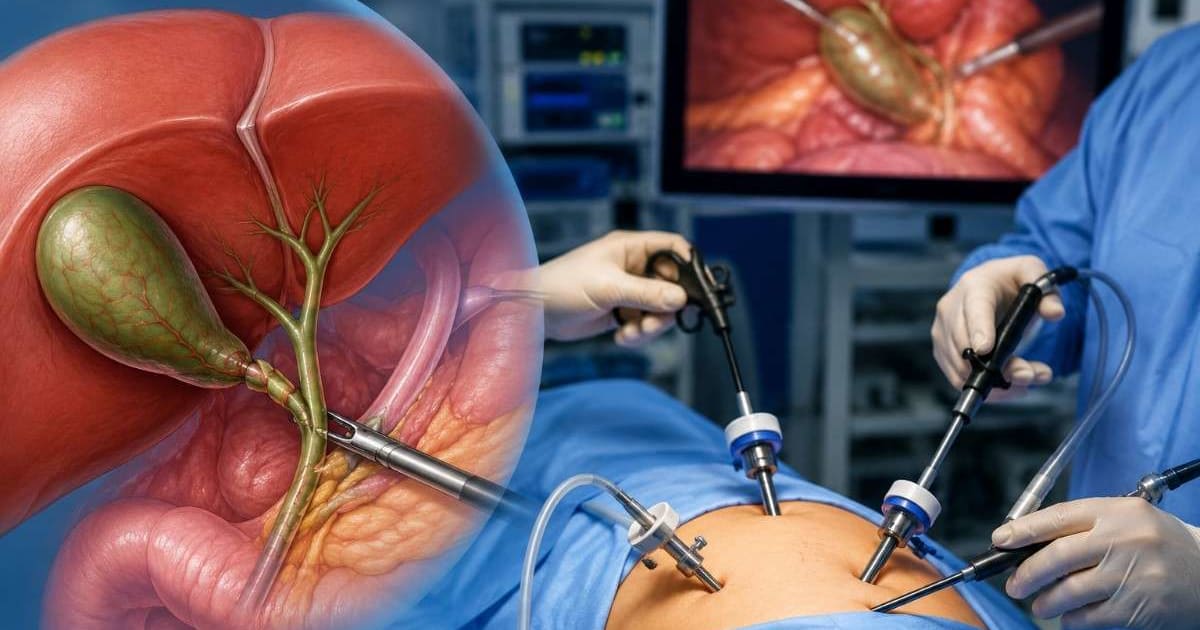
The Gold Standard Procedure Today, the full-size majority of gallbladder removals are finished using laparoscopic gallbladder surgery, a minimally invasive method that has transformed recovery times and consequences.
The Cholecystectomy Procedure
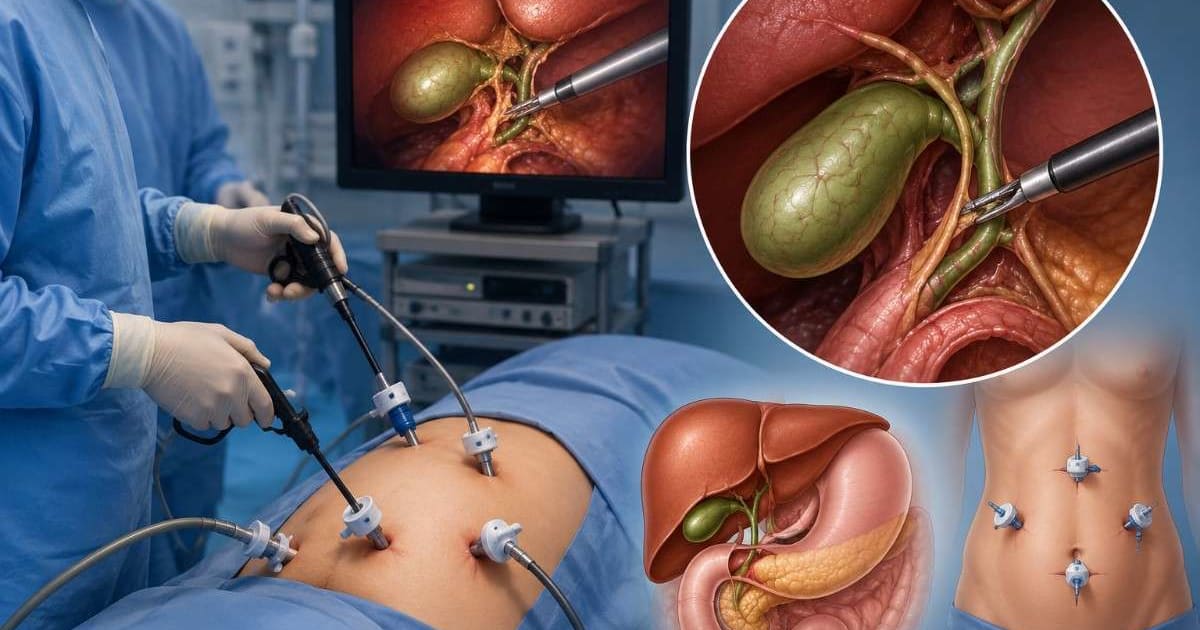
What to Expect During a laparoscopic cholecystectomy?
The physician makes numerous small incisions in the abdomen. A tiny camera (laparoscope) is inserted through one incision, while specialised equipment is passed through the others. The doctor uses a video screen to guide the gallbladder removal. The procedure normally takes one to two hours under general anaesthesia. Most sufferers cross home on the identical day. In more complicated cases, together with severe infection, scarring from preceding surgical procedures, or complications, an open cholecystectomy can be required. This includes a bigger incision and typically requires a health centre stay of two to 3 days.
Recovery Time After Gallbladder Removal
One of the most reassuring factors of contemporary gallbladder removal surgery is how speedily most patients recover.
Laparoscopic cholecystectomy restoration:
Hospital live: Same day or one night time
Return to mild hobby: Within some days
Full recovery: Approximately 1 week
Return to paintings: Often within 1–2 weeks
Open cholecystectomy recovery:
Hospital live: 2–3 days
Full recuperation: 4–6 weeks
Return to work: Several weeks
After a surgical procedure, most people resume ordinary digestion without any widespread issues. Some may additionally experience transient loose stools as the frame adjusts to the continuous flow of bile. Dietary adjustments, which include keeping off excessive-fat meals inside the initial weeks, can ease this transition. Importantly, the gallbladder is not critical for healthful digestion. Your liver keeps supplying bile, which flows immediately into the small intestine.
How Do You Know If Your Gallbladder Needs Removal?
Questions to Ask Your Doctor If you are experiencing ordinary gallbladder pain signs and symptoms, here are key questions to talk about with your healthcare company:
Are my gallstones causing complications or in all likelihood the reason for them?
What does my ultrasound or imaging display about the size and range of stones?
Am I at risk for gallbladder cancer or pancreatitis?
Is laparoscopic surgery an option for me?
What are the dangers of delaying surgical treatment in my case?
Your medical doctor will possibly endorse an abdominal ultrasound, blood assessments, and probably an MRI or CT scan to evaluate the whole picture before giving advice.
Conclusion
Gallbladder elimination surgery is one of the safest and handiest techniques in contemporary medicine. If you are experiencing routine gallbladder pain signs, repeated gallstone attacks, or any signs of contamination, speaking with a consultant faster in place of later may prevent far more extreme complications down the road.
Ignoring the signs and symptoms and hoping they go away is rarely the proper strategy. With minimally invasive alternatives, a brief recovery time, and top-notch long-term outcomes, the cholecystectomy method gives maximum sufferers an everlasting and life-enhancing answer.
If you're unsure whether or not a surgical operation is right for you, consult a qualified gastroenterologist or well-known surgeon who can evaluate your specific situation and guide you in the direction of the exceptional path of action.
Frequently Asked Questions
Gallbladder elimination surgical operation (cholecystectomy) is a manner to remove the gallbladder, typically because of painful gallstones or inflammation.
Common symptoms include sharp pain inside the top right stomach, nausea, bloating, and pain after consuming fatty foods.
Surgery is recommended when gallstones cause repeated painful attacks, contamination, bile duct blockage, or pancreatitis.
Yes, laparoscopic gallbladder surgery is a minimally invasive, normally carried-out method with a high success rate and rapid restoration.
Most patients get better within 1 week after a laparoscopic surgical procedure and may go back to work inside 1–2 weeks.
Untreated gallstones can lead to extreme complications like gallbladder infection, bile duct blockage, pancreatitis, or possibly gallbladder rupture.
Disclaimer: This blog is for informational purposes only and does not constitute scientific recommendations. Always consult a certified healthcare expert for analysis and remedies.