Share this Article
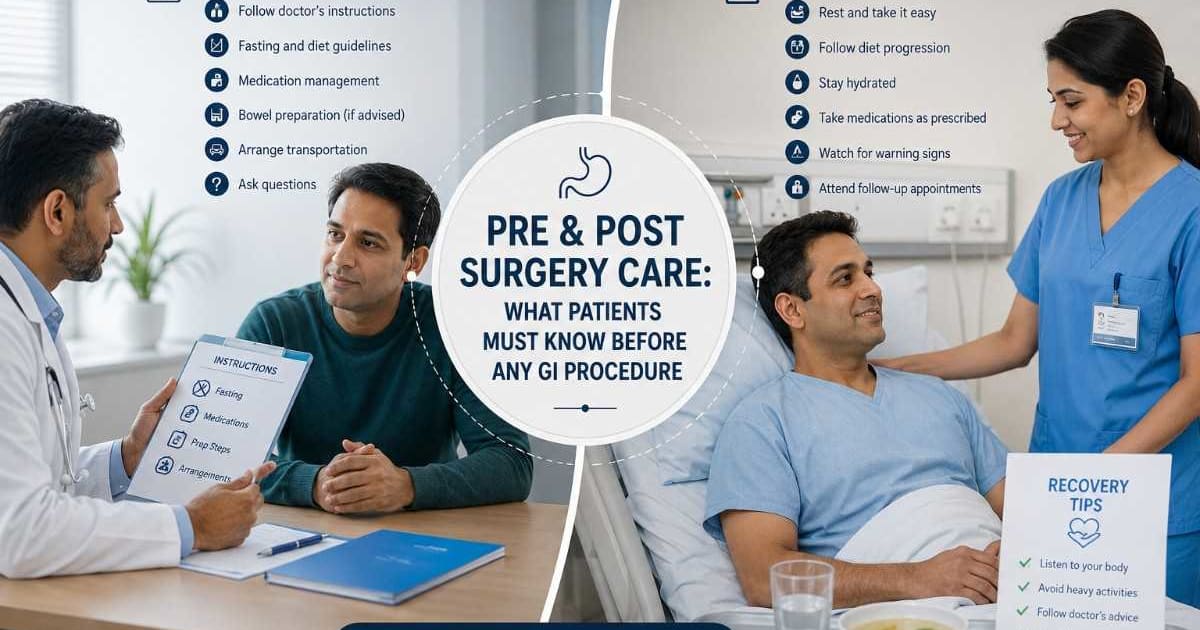
Preparing for GI surgery can feel overwhelming for many patients. Questions about hospital admission, recovery time, diet restrictions, medications, and post-operative care often create stress even before the procedure begins. Whether it is gallbladder surgery, appendix removal, hernia repair, bariatric surgery, or any laparoscopic gastrointestinal procedure, proper preparation and recovery care are extremely important for smoother healing and better surgical outcomes.
Many patients focus only on the surgery itself, but both pre and post surgery care play a major role in reducing complications, improving recovery, and helping patients return to normal life more comfortably. Understanding what to expect before and after a GI procedure can make the entire treatment journey feel more manageable and less stressful.
At GetBeds, patients not only get access to experienced GI specialists and advanced hospitals but also guidance throughout the surgical journey to make treatment planning simpler and more organised.
Why do pre- and post-surgery care matter?
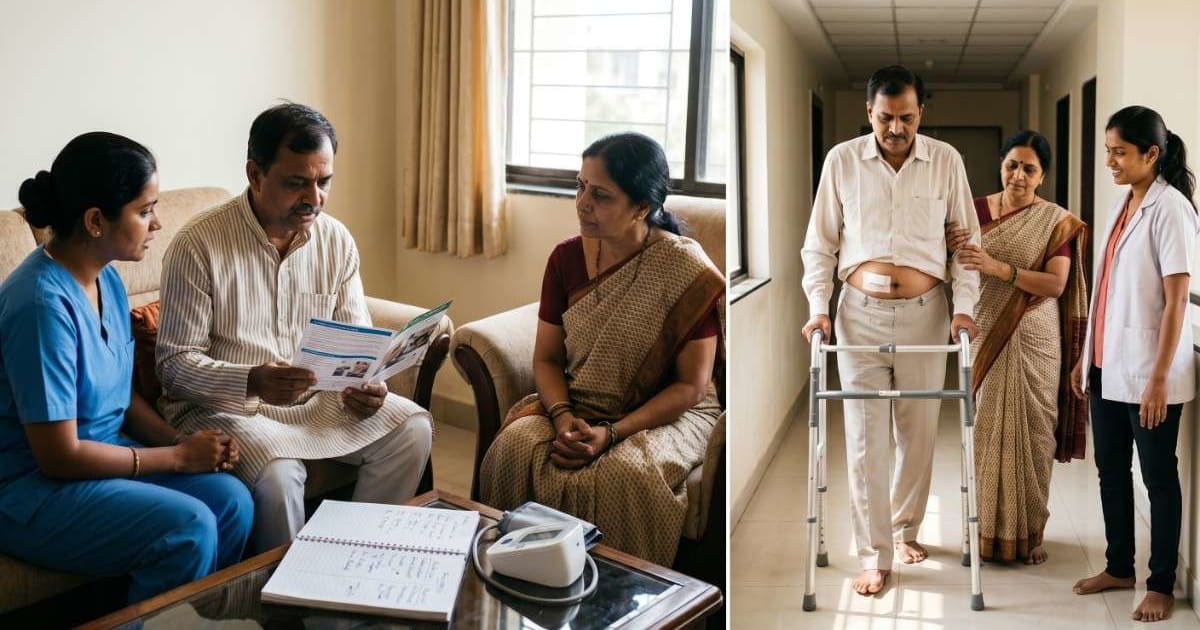
A successful GI surgery is not only dependent on the operation itself. Proper preparation before surgery and disciplined recovery afterward significantly affect healing, recovery speed, and overall patient comfort.
Patients who follow proper surgical care instructions often experience the following:
Better recovery outcomes
Lower risk of infection
Faster healing
Reduced complications
Better pain management
Being mentally prepared for surgery is equally important. When patients understand the process clearly, they usually feel more confident and less anxious before treatment.
What patients should know before GI surgery
Before any GI procedure, doctors usually conduct medical evaluations to understand the patient’s health condition and determine whether they are fit for surgery. These evaluations may include blood tests, scans, and discussions about medical history.
Patients are often advised to follow specific instructions before surgery, such as avoiding food or liquids for several hours before the procedure. In some cases, doctors may also recommend temporarily stopping certain medications or avoiding smoking and alcohol before surgery.
Patients should always inform their healthcare provider about:
Existing health conditions
Allergies
Current medications
Previous surgeries
Any ongoing treatments
Following pre-surgery instructions carefully helps reduce complications during and after the procedure.
Understanding minimally invasive GI procedures
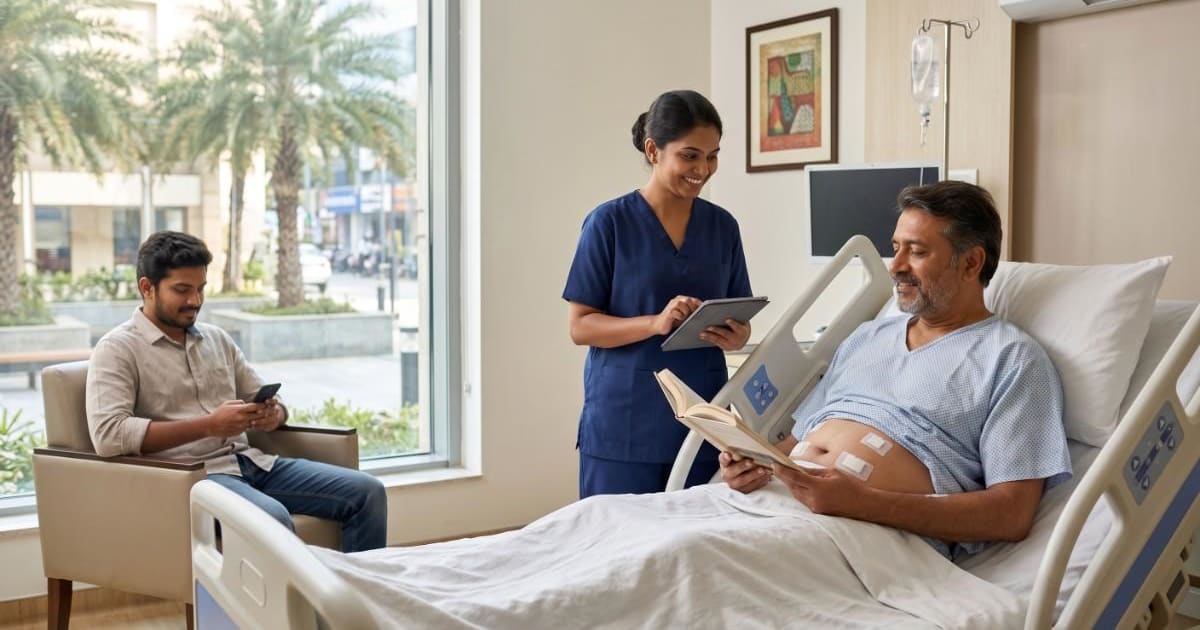
Today, many GI surgeries are performed using minimally invasive laparoscopic techniques. These procedures involve smaller incisions and specialised instruments instead of large surgical cuts.
Compared to traditional open surgeries, laparoscopic procedures generally offer:
Smaller scars
Less discomfort
Faster recovery
Shorter hospital stays
Reduced risk of complications
Many hospitals and specialists associated with GetBeds focus on minimally invasive GI and bariatric surgeries to improve patient comfort and recovery outcomes.
What happens after GI surgery?
Recovery begins immediately after surgery. Patients are usually monitored closely for a few hours to ensure stable recovery from anesthesia and the surgical procedure.
It is common for patients to experience mild discomfort, temporary fatigue, swelling near incision sites, or slight bloating during the initial recovery phase. These symptoms usually improve gradually with medication, rest, and proper care.
Depending on the procedure and the patient’s condition, hospital stays may vary from one day to several days.
Doctors usually recommend early but gentle movement after surgery because light walking may help improve blood circulation and reduce recovery complications.
Importance of diet after surgery
Diet plays an important role in recovery after GI procedures. Patients are generally advised to start with liquids or soft foods before gradually returning to regular meals.
Doctors may recommend:
Staying hydrated
Eating smaller meals
Avoiding oily or spicy foods initially
Following post-operative dietary instructions carefully
For bariatric surgeries especially, long-term dietary discipline becomes extremely important for successful weight management and recovery.
Patients should avoid self-medicating or making major dietary changes without consulting their doctor.
Physical activity and recovery
Many patients believe complete bed rest is necessary after surgery, but controlled physical movement is usually encouraged for smoother recovery.
Most doctors recommend:
Light walking
Gradual physical activity
Avoiding heavy lifting
Proper wound care
Attending regular follow-up appointments
Recovery timelines differ depending on the procedure, patient health, and surgical method used. Patients should not rush into strenuous activities before medical clearance.
Warning signs patients should not ignore
Although most GI procedures recover without major complications, patients should still stay alert for unusual symptoms after discharge.
Immediate medical attention may be needed if patients experience:
High fever
Severe abdominal pain
Persistent vomiting
Excessive swelling
Bleeding near incision sites
Difficulty breathing
Early medical intervention can help prevent more serious complications.
How does GetBeds help simplify the surgery journey?
Planning surgery can often become stressful when patients have to manage hospital comparisons, doctor consultations, treatment costs, and recovery guidance on their own.
GetBeds simplifies this process by helping patients in:
Comparing hospitals and GI surgery packages
Connecting with experienced GI specialists
Accessing minimally invasive treatment options
Understanding the treatment costs transparently
Receiving the support before and after surgery
The platform focuses on making hospital booking and surgical planning more convenient and patient-friendly across multiple Indian cities.
Conclusion
Proper pre- and post-surgery care is an essential part of every successful GI procedure. From preparing the body before surgery to following recovery instructions afterward, every step contributes to better healing, smoother recovery, and improved surgical outcomes.
Patients who stay informed, follow medical advice carefully, and maintain regular follow-ups often recover more comfortably and confidently after surgery.
With access to experienced specialists, advanced hospitals, minimally invasive procedures, and personalised support, GetBeds helps simplify the entire GI surgery journey for patients and families.
Frequently Asked Questions
Pre-surgery care helps prepare the body for surgery, reduces complications, and supports smoother recovery after the procedure.
Patients may be advised to avoid eating, smoking, alcohol, or certain medications before surgery depending on their treatment plan.
Recovery time depends on the type of procedure and patient health, but minimally invasive surgeries usually offer faster healing.
Doctors generally recommend liquids, soft foods, and easily digestible meals during the early recovery phase.
Laparoscopic procedures are considered less invasive and may offer smaller scars, less pain, and quicker recovery.
GetBeds helps patients compare hospitals, access experienced surgeons, explore surgery packages, and receive support throughout the treatment journey.
Disclaimer:
This blog is intended for informational purposes only and does not constitute medical advice. Always consult a qualified healthcare professional for diagnosis and treatment.